
Hero Image

Lower Insurance Premiums with Observia | Reduce DART TRIR & Workers Comp Costs

When insurers see risk, they raise your premiums. When Observia sees risk, it removes it.

How to Reduce High Insurance Premiums: The Observia Solution

If your workers compensation insurance premiums keep climbing every renewal cycle, you’re facing a common problem: insurers don’t see enough proof that your workplace is truly low-risk.
Traditional safety programs fall short because they show compliance, not prevention. But modern insurance carriers demand something different: they want evidence that you’re eliminating risks before injuries happen.

That’s exactly what Observia delivers.
And How to Stop It

Why Insurance Premiums Rise

Insurance companies calculate your premiums based on one primary factor: perceived risk.

Here’s the disconnect: most workplace injuries are preventable, but your insurer only sees the final outcome, not the prevention infrastructure you’ve built. Observia changes that story by proving you’re preventing injuries proactively, not reacting after they occur.

  • Recordable injury rates and frequency
  • OSHA DART and TRIR scores
  • Near-miss reporting gaps
  • Compliance consistency
  • Past claims history and incident severity

Real Results: What Companies See After Implementing Observia

Companies using Observia report significant improvements in insurance premium drivers:

36–78% reduction in recordable injuries

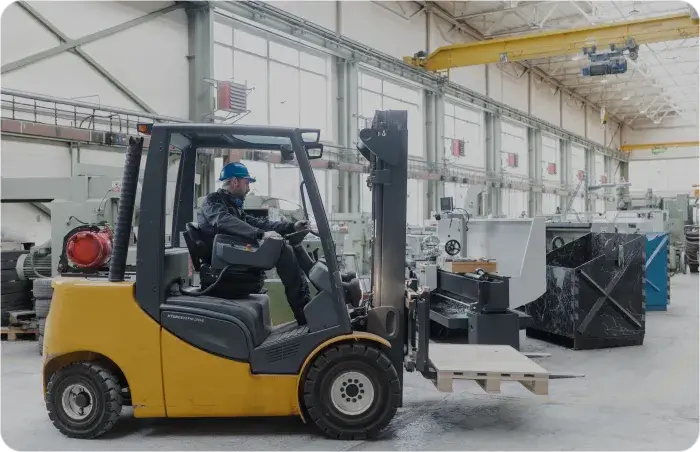
40–60% fewer forklift and pedestrian conflicts

Significant decreases in DART and TRIR rates

Measurable drops in Experience Modification Rate (EMR) within 12–24 months

Stronger negotiating position during insurance renewals

Cleaner, more successful safety audits

These improvements aren’t theoretical, they directly impact your insurance costs.

5 Ways Observia Lowers Your Insurance Premiums

1. Prevent Recordable Injuries Before They Happen

AI-powered computer vision detects unsafe actions in real-time, stopping incidents before they become OSHA recordables:

Observia provides:

  • PPE noncompliance and gaps in protective equipment usage
  • Forklift and pedestrian near-collision conflicts
  • Workers entering hazardous zones without authorization
  • Slip, trip, and fall risks
  • Unsafe ergonomic behaviors
  • Blocked exits and congested walkways

Fewer recordable incidents directly reduce your DART and TRIR rates, the metrics insurers use to set your premiums.

2. Build Automated Near-Miss Reporting Systems

Manual near-miss reporting fails. Most near-misses go unreported, which insurers view as a red flag.

Observia automatically captures:

  • Near collisions and close calls
  • Hazardous conditions and environmental risks
  • Risky behaviors and unsafe patterns
  • Repeated system failures

Your insurer sees patterns being addressed early, not ignored until someone gets hurt. This visibility is what insurance carriers reward with lower rates.

3. Create Measurable Safety Culture & Compliance Proof

Insurers evaluate companies on both data and demonstrated safety culture. Observia provides:

Observia automatically captures:

  • Real-time daily and weekly safety insights
  • Heat maps showing high-risk zones
  • Automated compliance tracking and summaries
  • Predictive analytics based on behavior trends
  • Transparent audit-ready documentation

This level of transparency and proactive management is exactly what insurers want to see.

4. Generate Negotiation-Ready Risk Reduction Reports

The fastest way to lower premiums is showing your insurer that your workplace is more predictable and lower-risk than they think.

Observia builds that case with:

  • Month-over-month risk reduction dashboards
  • Before-and-after incident comparisons
  • Compliance performance reports
  • Incident prevention documentation
  • Injury prevention metrics and trends

Insurance carriers love data-backed stories. Observia gives you the documented proof to negotiate better rates at renewal.

5. Lower Your Experience Modification Rate (EMR)

Your Experience Modification Rate (EMR) directly impacts your insurance costs. High EMR = high premiums.

Observia reduces EMR by:

  • Preventing OSHA recordable injuries
  • Reducing incident severity across the facility
  • Identifying and eliminating high-risk patterns early
  • Incident prevention documentation
  • Injury prevention metrics and trends

Insurance carriers love data-backed stories. Observia gives you the documented proof to negotiate better rates at renewal.

Why Insurance Carriers Reward Observia Users

Insurance companies love what Observia delivers because it addresses their biggest concern: unpredictable risk.

Observia provides:

  • Digital proof of proactive injury prevention
  • Real-time intervention documentation
  • Consistent compliance tracking and transparency
  • Accurate incident trend analysis
  • Data that helps insurers price coverage more confidently

Insurers don't want to overcharge you. They simply want certainty. Observia gives them the data they need to confidently lower your rates.

Transform Safety From a Cost Center Into a Profit Driver

Every prevented incident saves money: fewer claims, less operational downtime, better safety audits, and lower insurance premiums. Observia transforms workplace safety from a necessary expense into a measurable financial advantage that shows up directly on your insurance bill.

Ready to Lower Your Insurance Premiums?

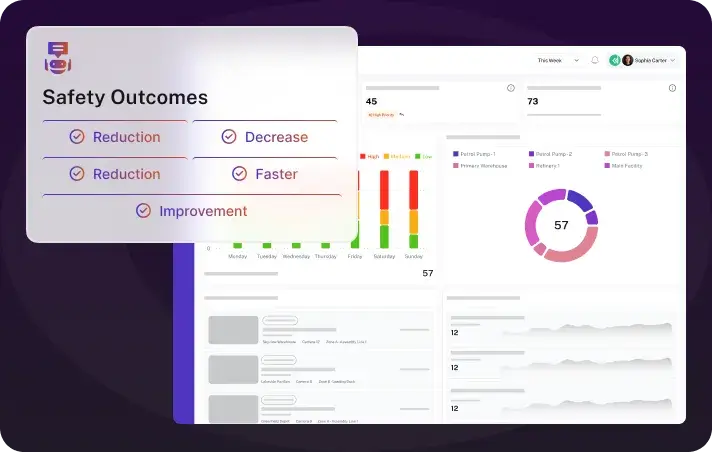
Measurable Safety and Operational Improvements

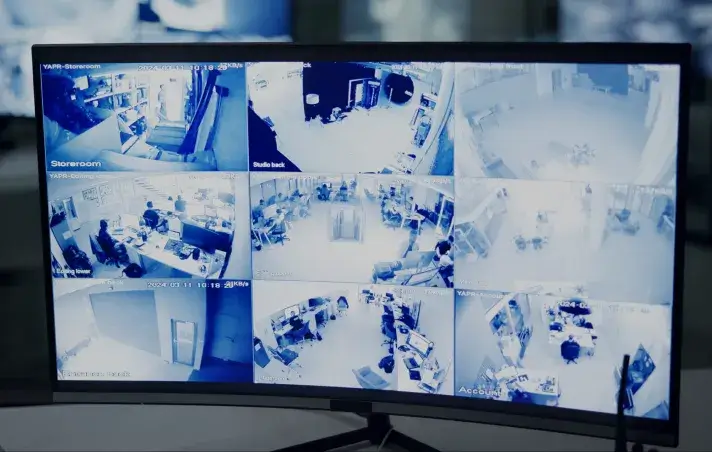
Your facility has cameras. Observia helps them understand what matters, and helps your insurer see the difference.

Next Steps:

  • Talk to a safety expert about your facility
  • Get a custom insurance-impact analysis
  • See how much you could save at your next renewal
  • Request an insurance-focused risk reduction report
  • Faster incident response times through real-time alerts

Your path to lower premiums starts with proof. Observia provides it.

FAQ

Insurance Premiums & Observia

Most companies see measurable improvements in DART/TRIR rates within 60–90 days. Insurance premium reductions typically appear at the next renewal cycle, often within 6–12 months.

Yes. Observia's documented incident prevention, compliance tracking, and EMR improvements are exactly what modern insurance carriers look for during underwriting and renewal negotiations.

Observia complements existing programs by adding automated, real-time detection and documentation—providing the objective proof insurers demand. Most companies find it significantly strengthens their negotiating position.

Savings vary by industry and current risk profile, but companies typically see 10–25% reductions in premiums within the first two renewal cycles after implementation, often far more.

Observia is effective across manufacturing, distribution, logistics, food processing, and any facility with safety-critical operations. It integrates with existing camera infrastructure.