
 Observia Editorial Team
Environment, Health, and Safety (EHS) management has evolved dramatically over the past decade, and the software tools available to support these critical functions are more sophisticated and user-friendly than ever before.
As we progress through 2026, organizations face mounting pressure to maintain rigorous safety standards, ensure regulatory compliance, and foster a proactive safety culture across their operations. Modern EHS inspection software has become indispensable for meeting these challenges effectively.
The right EHS inspection software does far more than digitize paper forms, it centralizes safety operations, automates compliance tracking, enables real-time hazard identification, and provides actionable insights that help prevent incidents before they occur.
Whether you’re managing a single facility or coordinating safety across a global enterprise, this comprehensive guide explores the top EHS inspection software solutions available in 2026 and helps you identify which platform best suits your organization’s unique needs.
Understanding the Value of EHS Inspection Software
The statistics speak for themselves.
Recent data indicates that over 80% of organizations implementing EHS inspection software report significant improvements in their safety programs, with an average reduction in incident rates of approximately 30%.
These aren’t just numbers, they represent lives protected, injuries prevented, and operational disruptions avoided.
EHS inspection software transforms how organizations approach safety by moving from reactive incident response to proactive risk identification. Instead of waiting for problems to surface, teams use digital inspection tools to systematically identify hazards, track compliance with regulatory standards, and implement corrective actions before incidents occur.
The efficiency gains are equally compelling, many organizations report 20% or greater reductions in the time required to conduct and document inspections.
Beyond incident prevention, EHS inspection software simplifies regulatory compliance by automatically tracking evolving requirements, maintaining audit-ready documentation, and generating comprehensive reports that demonstrate adherence to standards like OSHA, EPA, and industry-specific regulations.
For organizations operating across multiple jurisdictions or industries, this capability alone can justify the software investment.
1. VelocityEHS
VelocityEHS has established itself as a leader in EHS management, and its inspection capabilities represent some of the most comprehensive and user-centric tools available in 2026.
Built on the Accelerate Platform, VelocityEHS combines simplicity with powerful functionality to deliver an inspection solution that teams actually want to use.
Key Strengths: The platform excels at automating inspection scheduling, allowing organizations to establish recurring inspection intervals (weekly, monthly, annually) with automatic reminders ensuring nothing falls through the cracks. Custom checklist creation enables teams to tailor inspections to their specific operations, while the mobile-friendly digital forms ensure accessibility across devices. VelocityEHS also integrates third-party regulatory content directly into the solution, meaning your inspection protocols automatically reflect current compliance requirements.
Built-in AI Capabilities: What truly sets VelocityEHS apart is VelocityAI, an intelligent assistant that analyzes incident data, inspection results, and operational patterns to surface likely compliance issues before formal audits occur. The AI prioritizes items deserving immediate attention, identifies potential seriously-injurable-free (SIF) incidents, suggests likely root causes, and recommends specific corrective actions with assigned owners and due dates.
Best For: Organizations of all sizes that value simplicity and expert support. VelocityEHS is particularly effective for companies operating multiple sites where standardization across locations is critical, or organizations transitioning from paper-based systems that benefit from guided implementation.
Notable Features: Comprehensive incident tracking, chemical management integration, ergonomic assessment tools, contractor safety management, and extensive reporting and analytics capabilities. The platform’s focus on user experience means quick adoption with minimal training requirements.
2. ComplianceQuest
ComplianceQuest represents a modern, cloud-based approach to EHS inspection management, delivering scalability and flexibility that makes it attractive to organizations of all sizes. The platform is designed for companies that need comprehensive EHS management without enterprise-level complexity.
Key Strengths: ComplianceQuest automates inspection planning and scheduling, ensuring that inspections happen on time and consistently. The platform allows creation of customizable checklists tailored to specific industry requirements and facility types. Real-time data collection and recording capabilities capture inspection information instantly, making it available for immediate review and analysis rather than waiting for manual data entry.
Advanced Reporting: The platform’s analytics and reporting features transform raw inspection data into actionable insights. Organizations can identify compliance trends, track performance metrics over time, and generate detailed reports that satisfy regulatory requirements and inform strategic decisions.
Integration Capabilities: The cloud-based architecture integrates seamlessly with existing EHS and enterprise systems, reducing the complexity often associated with implementing new platforms. Risk assessment tools identify and help mitigate EHS risks before they materialize, while incident reporting features simplify documentation with intuitive, user-friendly forms.
Best For: Mid-to-large organizations with complex compliance requirements or those operating across multiple facilities and jurisdictions. ComplianceQuest is also ideal for companies seeking a platform that grows with them, adapting to changing needs without requiring wholesale replacement.
Notable Features: Mobile field access, issue tracking and corrective action management, compliance management with regulatory tracking, and extensive reporting capabilities with customizable dashboards.
3. SafetyCulture (iAuditor)
SafetyCulture’s iAuditor platform has maintained its market leadership by combining robust functionality with an exceptional user experience that encourages adoption across all organizational levels. The software enables decentralized EHS management where employees at all levels can participate in safety initiatives.
Key Strengths: The platform excels at making safety inspection accessible and engaging. Custom inspections can be created quickly, and the mobile app’s intuitive interface means workers in the field can conduct inspections effectively without extensive training. Real-time alerts (through SafetyCulture’s Heads Up feature) ensure that critical safety information reaches team members when they need it most.
Comprehensive Integration: SafetyCulture integrates with tools your organization already uses—Tableau for advanced analytics, Okta for identity management, and SharePoint for document management. This integration capability means EHS data flows naturally through your existing operational systems.
Training and Development: Beyond inspection management, SafetyCulture supports comprehensive worker training programs, enabling organizations to deliver consistent safety education across all locations. This integrated approach creates a holistic safety program rather than isolated inspection processes.
Best For: Organizations of various sizes across different industries seeking an accessible, mobile-first inspection platform. SafetyCulture is particularly effective for companies wanting to empower frontline workers to participate in safety initiatives and for organizations that need flexibility to customize their programs.
Notable Features: Customizable digital checklists, photo and video documentation, real-time reporting, layered process audits, comprehensive training management, and extensive analytics and trending capabilities.
4. Intelex
Intelex offers a comprehensive and flexible EHS platform designed specifically for organizations managing multiple sites, regions, or industries. The platform helps safety and compliance teams standardize processes across global operations while remaining flexible enough to accommodate local regulatory differences.
Key Strengths: Intelex provides robust data collection and recording features that ensure standardized information capture across all inspection locations. Automated audit scheduling with risk-based prioritization means inspections focus on areas of greatest concern, optimizing resource allocation. The platform excels at helping organizations manage corrective actions, tracking remediation efforts from identification through closure.
Standardization Without Rigidity: While Intelex emphasizes standardization to ensure consistency, the platform remains customizable, allowing organizations to adapt to specific facility needs or regional compliance requirements. This balance makes Intelex valuable for global organizations where one-size-fits-all approaches don’t work.
Best For: Large organizations with multi-site or multi-industry operations, particularly those with global footprints navigating diverse regulatory environments. Companies standardizing previously disparate safety programs benefit significantly from Intelex’s structure and capabilities.
Notable Features: Customizable inspection templates tied to internal policies and external regulations, full inspection management from scheduling through corrective actions, automated audit scheduling with risk-based prioritization, and comprehensive compliance management.
5. Xenia
Xenia has built its reputation on simplicity without sacrificing functionality. The platform is specifically designed for organizations seeking straightforward, accessible EHS inspection tools that don’t require extensive training or complex implementation processes.
Key Strengths: Xenia’s user-friendly interface works seamlessly across desktop, tablets, and mobile devices, ensuring that all team members can conduct inspections regardless of their technical comfort level. The platform enables teams to quickly schedule and conduct inspections, create custom checklists, track results, and generate detailed reports—all through intuitive workflows that feel natural to users.
AI-Assisted Safety Management: What distinguishes Xenia in 2026 is its AI-assisted capabilities for creating safety policies and procedures in seconds. Rather than spending weeks developing comprehensive safety documentation, organizations can leverage AI to generate initial drafts that teams then customize to their specific operations. This dramatically accelerates the implementation of new safety programs.
Document and SOP Management: Xenia includes built-in SOP (Standard Operating Procedure) and document management, allowing safety teams to centralize all safety-related documentation in one accessible location. Cloud-based storage ensures that current procedures are always available to field teams, and version control prevents confusion about which documents are current.
Best For: Construction companies, smaller organizations, and any company prioritizing simplicity and quick implementation. Xenia is ideal for teams that have experienced poor adoption with more complex platforms or organizations implementing their first formal EHS inspection system.
Notable Features: Customizable inspection checklists, photo and video documentation, corrective action tracking, real-time reporting, AI-assisted policy and procedure creation, and cloud-based SOP and document management.
6. EHS Insight
EHS Insight positions itself as a modern, intuitive EHS and ESG management platform designed to save organizations time, money, and lives. The platform represents a comprehensive approach to EHS management beyond basic inspection functionality.
Key Strengths: EHS Insight’s mobile app boosts field worker accessibility by enabling on-the-go access to safety software via smartphones or tablets. Inspections can be conducted instantly with results available in real-time, enhancing productivity and enabling immediate response to identified issues. The platform supports both online and offline functionality, critical for organizations with workers in remote locations or areas with limited connectivity.
AI-Powered Efficiency: EHS Insight Copilot represents the platform’s AI capabilities—intuitive, user-friendly artificial intelligence that lives directly within workflows. Rather than being a separate analysis tool, Copilot helps simplify complex tasks, automate tedious processes, and keep organizations ahead of emerging risks.
Real-World Results: The platform is designed specifically for organizations wanting to build stronger safety cultures while simultaneously reducing operational costs. Case studies highlight significant savings and improved efficiency—one manufacturing company automated over 40 paper-based processes using EHS Insight, resulting in over $200,000 in savings and increased safety visibility.
Best For: Organizations of all sizes, particularly those in construction, manufacturing, energy, and logistics industries. EHS Insight is ideal for companies seeking a platform that combines comprehensive EHS management with ESG reporting capabilities, increasingly important for organizations with investor or stakeholder reporting requirements.
Notable Features: Mobile-first platform design, comprehensive incident reporting and investigation, audit and inspection management, compliance tracking, ergonomic risk assessment, and integrated ESG reporting capabilities.
7. Cority
Cority represents the enterprise-level EHS inspection solution, built specifically for large organizations managing multiple sites, teams, and complex compliance frameworks. The platform offers the infrastructure needed for global organizations operating under diverse regulatory requirements.
Key Strengths: Cority excels at managing complex audit programs where scattered data and fragmented processes previously created compliance risks. The platform consolidates inspection, audit, and corrective action management into a unified system while maintaining visibility across all operations. Customizable audit templates tie directly to both internal policies and external regulatory requirements, ensuring that audits address organizational priorities and compliance obligations simultaneously.
Full Inspection Management: The platform provides complete inspection management capabilities from scheduling through corrective actions, with sophisticated tools for tracking implementation and closure. For organizations managing hundreds of facilities or thousands of compliance requirements, Cority provides the structure and automation necessary to maintain control.
Enterprise Integration: Cority integrates with enterprise resource planning (ERP) systems and other business tools, ensuring that EHS data informs broader business decisions and that EHS issues don’t exist in isolated silos.
Best For: Large organizations with multiple sites, complex audit programs, or those managing compliance across multiple industries and jurisdictions. Cority is particularly valuable for regulated industries like pharmaceutical, energy, and chemicals where compliance oversight requires sophisticated tools.
Notable Features: Customizable audit templates, full inspection management with automated scheduling and corrective actions, sophisticated data management and analytics, regulatory tracking and updates, and comprehensive reporting for audit readiness.
8. Ecesis
Ecesis takes a user-centered design approach, built specifically by end users and supported by management system experts who understand the real-world challenges of EHS management. The platform is designed to be intuitive, customizable, and comprehensive.
Key Strengths: The Ecesis platform was developed with the end user in mind, meaning the software is intuitive and easy to use without sacrificing functionality. The customizable nature allows organizations to shape the platform to their specific needs without expensive programming fees—a significant advantage for organizations wanting flexibility without vendor dependency.
Comprehensive EHS Solution: Rather than forcing organizations to maintain separate solutions for different EHS functions (inspections, SDS management, chemical inventories, training), Ecesis consolidates nearly all EHS needs into a single platform. This integration reduces complexity and improves data consistency across systems.
Mobile and Offline Capabilities: The Ecesis mobile app works on iOS, Android, and Windows devices, allowing teams to complete inspections and audits on job sites. The offline capability means inspections continue even in areas with poor connectivity, with data synchronizing when the device reconnects. GPS functionality records where inspections occur, and the camera allows photo documentation of hazards and conditions.
Portability and Integration: Inspections integrate fully with other Ecesis EHS solutions and can tie to unique, user-created equipment lists (fire extinguishers, vehicles, eyewashes, etc.), enabling highly specific, equipment-focused inspection programs. Trending and analysis capabilities allow organizations to identify patterns in inspection data and audit results.
Best For: Organizations seeking a comprehensive, customizable EHS platform with strong support from subject matter experts. Ecesis is particularly valuable for companies that have experienced inflexibility with other platforms or organizations wanting to consolidate multiple EHS tools into a single system.
Notable Features: Mobile inspection and audit capability, offline data collection with synchronization, GPS location recording, photo and document attachments, equipment integration, trending and analysis tools, web-based access, and seamless data migration from previous systems.
9. MyMomentum
MyMomentum represents a practical, no-fluff approach to EHS audit and inspection management from EHS Momentum. The platform is designed specifically for safety and compliance professionals who need tools that actually get used rather than complex systems that create barriers to adoption.
Key Strengths: MyMomentum delivers usability with real-world support tailored to the specific challenges safety and compliance professionals face. The platform combines a clean, intuitive interface with practical functionality that addresses how safety professionals actually work. The mobile access enables facility staff to complete audits in the field while giving corporate leadership real-time visibility into outstanding issues, overdue actions, and site-wide compliance status.
Practical Automation: Rather than over-automating processes, MyMomentum automates the right things—scheduling inspections, issuing corrective actions, maintaining audit trails. Organizations can still engage in meaningful review and decision-making rather than simply rubber-stamping system-generated outputs.
Accessible Cost Structure: MyMomentum is designed to be affordable and scalable, requiring minimal onboarding compared to enterprise platforms. The platform is backed by real EHS professionals at EHS Momentum who understand safety compliance challenges and can provide practical guidance.
Best For: Mid-sized organizations and those seeking an affordable, practical alternative to complex enterprise platforms. Companies benefit from the platform’s focus on actual usability and support from EHS professionals rather than generic software vendors.
Notable Features: Automated audit scheduling and corrective action issuance, customizable checklists and checklist attachment to permits and program requirements, automated audit trails with supporting documentation, weekly summaries and dashboards highlighting outstanding and resolved items, and mobile field access.
10. Observia AI
Observia AI represents a revolutionary approach to EHS inspection software, leveraging advanced artificial intelligence and computer vision to transform how organizations identify, track, and manage workplace hazards. Rather than replacing existing EHS platforms, Observia integrates with your current systems to enhance their capabilities with AI-powered real-time safety monitoring.
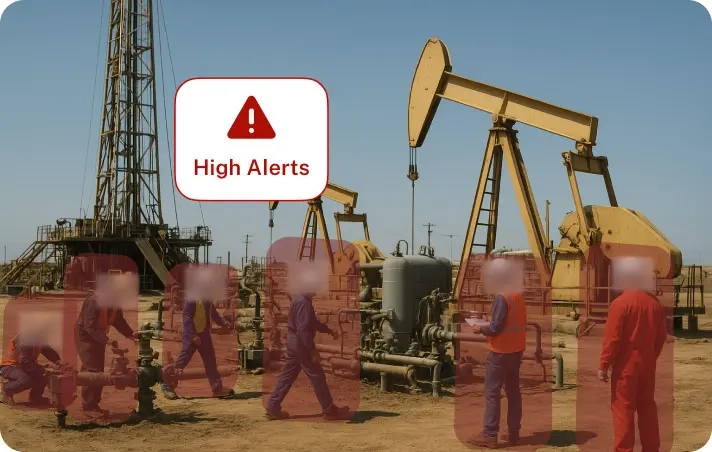
Key Strengths: Observia merges AI-powered observations with your existing EHS platform records, creating a unified dashboard that provides comprehensive visibility of workplace risks. The platform generates audit-ready reports automatically across single facilities or entire organizations, streamlining documentation and compliance processes. What truly distinguishes Observia is its ability to deliver instant alerts with visual evidence the moment risks appear, giving safety teams the jump on timely intervention before incidents occur.
Seamless Integration: Unlike solutions requiring lengthy implementations, Observia integrates directly into existing EHS systems with no complex configurations or protracted deployments. The platform establishes secure API connections between ObserviaAI and your EHS platform, automatically streaming real-time safety data directly into your existing workflows. This means organizations can leverage their current EHS investments while adding cutting-edge AI capabilities without disrupting established processes.
Privacy-First Design: Observia is built with privacy-first principles, ensuring data security and employee privacy. The platform anonymizes all visual data—personal identities are never compromised. The AI focuses exclusively on detecting risks, not individuals, addressing growing concerns about surveillance and privacy in modern workplaces. The platform aligns with industry standards and regulatory requirements including GDPR and SOC 2, helping organizations meet safety and privacy obligations simultaneously.
AI-Powered Observations: The platform’s AI continuously monitors facilities, identifying hazards that human inspectors might miss. By automating routine hazard detection, Observia allows human inspectors and safety professionals to focus on more strategic safety initiatives—understanding root causes, implementing systemic improvements, and building safety culture rather than spending time on data collection.
Best For: Organizations seeking to enhance their current EHS programs with advanced AI capabilities, particularly those in high-risk industries like logistics, manufacturing, food production, and process safety operations. Observia is ideal for companies already invested in EHS platforms that want to complement human inspections with AI-powered continuous monitoring without replacing their existing systems.
Notable Features: AI-powered hazard detection and identification, seamless EHS platform integration with automated data streaming, instant risk alerts with visual evidence, automated audit-ready report generation, privacy-preserving anonymized visual data processing, regulatory compliance alignment (GDPR, SOC 2), multi-facility monitoring and consolidation, and customizable AI detection for industry-specific risks.
Critical Considerations for Selecting EHS Inspection Software in 2026
Choosing the right EHS inspection software requires careful evaluation of several key factors specific to your organization:
Regulatory Complexity: Organizations in heavily regulated industries (chemicals, pharmaceuticals, oil and gas) need platforms like Cority or ComplianceQuest that manage complex compliance landscapes. Simpler operations might thrive with Xenia or GoCanvas focusing primarily on inspection efficiency.
Organizational Scale: Single-facility operations have different needs than multi-site global enterprises. Intelex and Cority excel at coordinating safety across numerous locations, while Xenia and MyMomentum serve smaller organizations effectively at lower cost.
Field Accessibility: If your workforce is primarily field-based, prioritize platforms like SafetyCulture, EHS Insight, or Ecesis that deliver exceptional mobile experiences and robust offline functionality.
Integration Requirements: Organizations with established enterprise systems should consider platforms that integrate with existing tools—SafetyCulture’s integration with Tableau and other tools, or Cority’s ERP integration capabilities.
Implementation Support: Companies needing guided, hands-on implementation support should consider VelocityEHS or EHS Insight. Organizations with strong internal IT resources can implement more self-directed platforms like Xenia or GoCanvas independently.
Budget Considerations: Enterprise platforms like Cority and Intelex command premium pricing reflecting their comprehensive capabilities. Mid-market and smaller organizations benefit from the value proposition of Xenia, MyMomentum, or GoCanvas at lower price points.
Industry-Specific Requirements: Different industries have different inspection priorities. Construction-focused organizations benefit from platforms designed around construction hazards and workflows, while healthcare facilities need systems addressing medical environment compliance.
The Future of EHS Inspection Technology
As we move deeper into 2026, expect to see continued evolution in several key areas:
Artificial Intelligence Integration: AI-powered hazard detection and risk analysis capabilities will become standard rather than premium features, helping organizations identify risks that might be missed by human inspection alone.
Predictive Analytics: Platforms will increasingly employ predictive analytics to forecast where incidents are likely to occur, enabling preventive action rather than reactive response.
Mobile-First Design: The trend toward mobile-first platforms will accelerate, with cloud-based architectures enabling seamless access from any device regardless of connectivity.
Integration Ecosystems: The best platforms will offer sophisticated integration capabilities, treating EHS data as critical business information rather than isolated safety records.
User Experience: As adoption challenges become less about technology limitations and more about user engagement, platforms with superior user experience will gain competitive advantage.
Implementation Best Practices for 2026
Successful implementation of EHS inspection software requires more than simply deploying the technology. Consider these best practices:
Assess current processes and identify pain points before selection. Understanding what doesn’t work with your current approach informs which software features matter most.
Engage frontline workers in the selection process. The users who will depend on the software daily should have input into which platform best suits how they actually work.
Plan for change management. Software implementation represents a significant shift from existing processes, and organizations that invest in training and cultural alignment achieve better outcomes.
Start with limited rollout. Pilot programs in one facility or department allow you to identify integration issues and refine processes before enterprise-wide deployment.
Establish clear metrics for success. Determine what improvement you’re looking for—reduced incident rates, faster inspection completion, better compliance documentation—and measure progress against these objectives.
Conclusion
The EHS inspection software landscape in 2026 offers solutions addressing virtually every organizational need and budget consideration. The top platforms reviewed in this guide represent the current state of the art, combining robust functionality with genuine attention to user experience and compliance effectiveness.
The most important factor in selecting EHS inspection software isn’t identifying the most feature-rich platform or the one with the latest technology integration. Instead, success comes from choosing software that aligns with your organization’s specific operational requirements, compliance landscape, and user base characteristics. The best software is the one your teams will actually use consistently, embedding safety into daily operations rather than treating it as a separate, burdensome process.
By carefully evaluating your organizational needs against the capabilities and strengths of these platforms, you can select an EHS inspection solution that transforms how your organization approaches safety management. When implemented effectively, modern EHS inspection software becomes invisible to users, it’s simply how work gets done safely. This integration of safety into normal operations creates the foundation for genuine safety culture improvement, resulting in fewer incidents, reduced injuries, and a more engaged, protected workforce.