 Observia Editorial Team
Let’s be honest, workplace safety might not be the most exciting topic, but it’s absolutely crucial. If you’re responsible for your team’s wellbeing, you’ve probably wondered about PPE compliance monitoring and what it really takes to get it right.
Whether you’re managing a small team or overseeing a large operation, understanding how to monitor PPE compliance can make a real difference in keeping your employees protected and your business compliant.
In this guide, we’re breaking down everything you need to know about PPE compliance monitoring, from the basics to practical strategies you can implement today.
Let’s dive in!
What Is PPE Compliance, Anyway?
So what exactly is PPE compliance? Think of it as your organization’s commitment to following the rules and best practices around personal protective equipment. It means you’re making sure employees have the right gear, they know how to use it, and it’s actually protecting them from the hazards they face on the job.
PPE compliance goes way beyond just buying safety glasses and hard hats. It’s about creating a complete system that includes:
- Identifying what dangers exist in your workplace
- Choosing the right protective equipment for those specific dangers
- Training your team on how to use it properly
- Keeping that equipment in working condition
- Actually checking that people are using it correctly
When you nail PPE compliance, you’re not just ticking a box for regulators. You’re genuinely protecting your people from injuries, illnesses, and potentially life-changing accidents. That’s the real goal here.
Recommended Read – Reactive to Proactive Safety Management: A Complete Guide to Transforming Your Safety Culture
Understanding the PPE Compliance Monitoring Process
So how does compliance monitoring actually work? It’s not just a one-time thing, it’s an ongoing process that keeps your PPE program running smoothly and staying compliant.
Step 1: Figure Out What Hazards You’re Dealing With
Before anything else, you need to walk around your workplace and honestly assess what could hurt someone. Are there chemicals? Sharp objects? Loud machinery? Electrical hazards? The more detailed you are here, the better your entire compliance program will be. This step sets the foundation for everything that comes after.
Step 2: Create Your PPE Policies and Put Them in Writing
Once you know your hazards, document what PPE your team needs and when they need to use it. Be specific. Instead of just saying “wear safety equipment,” spell out which equipment is needed in each area, how to care for it, and what happens if someone doesn’t follow the rules. This written policy becomes your reference guide.
Step 3: Train Your Team Properly
Here’s where a lot of organizations slip up. Buying the right equipment doesn’t matter if nobody knows how to use it. Your team needs hands-on training that covers when to use PPE, how to put it on correctly, how to take it off safely, and how to maintain it. Keep records of who’s been trained and when. You’ll need this documentation.
Step 4: Inspect and Test Equipment Regularly
Equipment doesn’t last forever. You need to regularly check that PPE is in good shape and actually working. This might mean visual inspections, fit testing for respirators, or functional testing for specialized gear. If something’s damaged or worn out, replace it immediately.
Step 5: Watch People Actually Using the Equipment
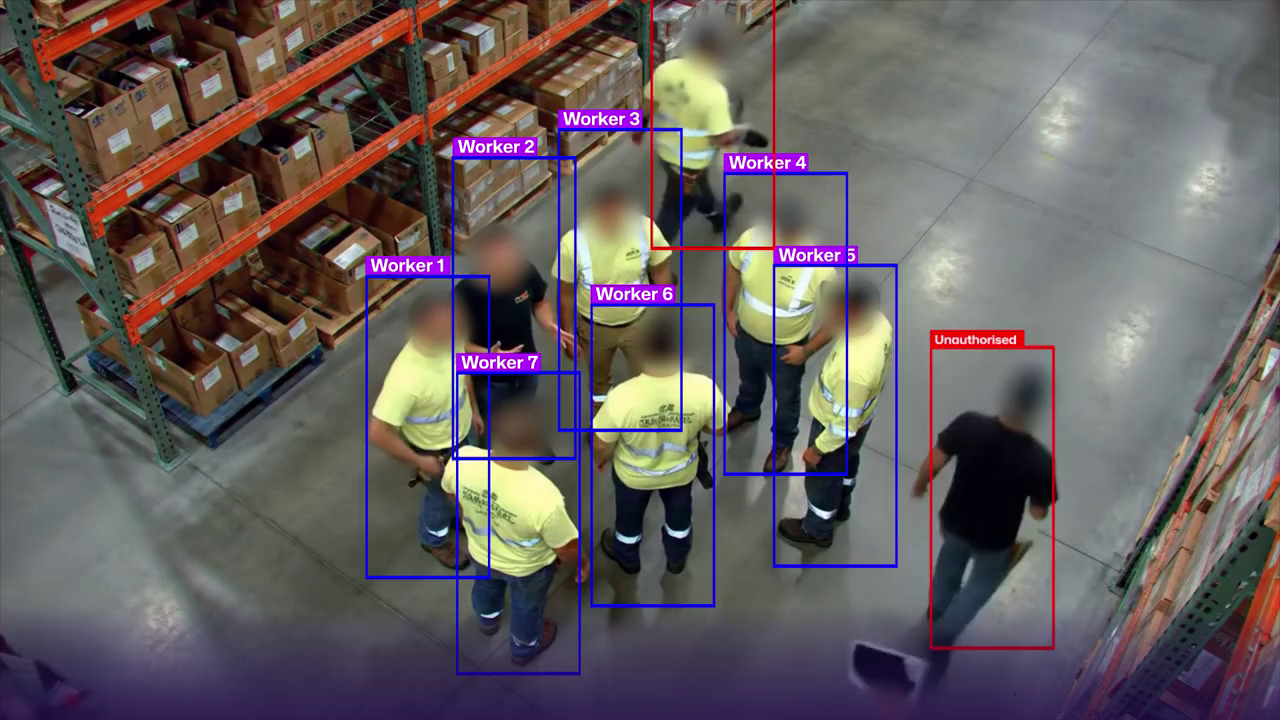
This is critical but often overlooked. You need to see if your team is actually using PPE the way you trained them to. Walk through work areas regularly and observe compliance. You might notice people taking shortcuts or using equipment incorrectly, that’s exactly what these observations are designed to catch.
Step 6: Keep Detailed Records
Document everything. Training dates, inspection results, maintenance schedules, observations, incident reports, all of it. These records prove you’re taking compliance seriously and show regulators that you have a legitimate program in place.
Step 7: Fix Problems and Follow Up
When you find issues, address them promptly. That might mean retraining an employee, replacing damaged equipment, or adjusting your policies. Then circle back to make sure your fix actually worked.
Recommended Read – The Ultimate Guide to OSHA Violations: Don’t Let Safety Standards Trip You Up (Literally)
The 5-Point PPE Requirements Explained
There are five fundamental pillars that every solid PPE compliance program is built on. Let’s walk through each one.
1. Hazard Assessment and Identification
You can’t protect your team against dangers you haven’t identified. That’s why hazard assessment is first on the list. You need to carefully evaluate your workplace and document every potential risk.
- What chemicals do people handle?
- Is there noise above safe levels?
- Are there physical hazards like falling objects or sharp edges?
- Are there biological hazards?
This isn’t a one-time exercise either. Your workplace changes, new equipment gets installed, processes shift, or operations evolve. As those changes happen, you need to reassess hazards and adjust your PPE requirements accordingly.
Think of this as your safety foundation.
2. Selection of Appropriate PPE
Once you know your hazards, you need the right protective equipment. And “right” is the key word here. Just because a piece of PPE exists doesn’t mean it’s suitable for your specific workplace, in accordance to a survey done by NIH.
A simple pair of safety glasses won’t protect someone handling chemical solvents, just like latex gloves won’t help someone dealing with sharp machinery.
You’ll want to consider factors like how well the equipment actually protects against your specific hazards, whether it fits properly for your team members, comfort levels (because people won’t use uncomfortable gear), durability, and whether it meets regulatory standards.
Take your time with this step, poor equipment choices undermine everything else.
3. Training and Education
This cannot be overstated: your team needs to understand PPE before they use it. Good training covers when to use specific equipment, how to put it on correctly, how to take it off without contaminating yourself, proper care and storage, limitations of the equipment, and what to do if something breaks.
Make training interactive and hands-on when possible. Show people what proper usage looks like, then have them practice.
Keep records showing who attended, when they attended, and what they learned. When new equipment is introduced or processes change, do refresher training. Your training documentation is your proof that you’re taking this seriously.
4. Maintenance and Replacement Schedules
Equipment doesn’t stay perfect forever. It gets dirty, worn, damaged, and tired. You need a system for keeping PPE in good working order. This includes cleaning procedures, inspection protocols, repair decisions, and replacement schedules.
Set up a maintenance calendar. Know when to clean each type of equipment, how often to inspect it, and when it needs to be replaced.
Some items might only last months before they’re worn out; others might last years. Document everything. When a piece of equipment fails and causes an incident, you want to show that you were maintaining it properly.
5. Program Monitoring and Evaluation
The final pillar is the ongoing oversight that keeps everything working. This means regularly checking that your hazard assessments are still accurate, your equipment is still appropriate, your team is using PPE correctly, and your program adapts as your workplace changes.
Don’t let your PPE program become stale. Incident data, employee feedback, and observation findings should all inform updates to your program.
If you notice people aren’t using certain equipment, investigate why. Is it uncomfortable? Are there practical barriers? Does your training need to be better? Use this information to continuously improve.
How Do You Actually Monitor Compliance?
Okay, so you understand the five pillars. But what does day-to-day monitoring look like? Here are the practical tactics that actually work.
Regular Walk-Throughs and Visual Inspections
Get out there and look around. Are people wearing the PPE they’re supposed to be wearing? Are they wearing it correctly? These observations help you catch compliance issues early and give you chances to coach your team in real-time. Pro tip: don’t just inspect, ask employees questions. They often have valuable insights about what’s working and what isn’t.
Equipment Testing and Certification
For items like respirators, safety harnesses, or protective clothing, you need regular testing to confirm they work properly. Use certified testing procedures, keep documentation of the results, and replace equipment that doesn’t pass. This takes some effort, but it’s non-negotiable for certain types of PPE.
Talk to Your Team
Have informal conversations with employees about PPE. Ask if they understand when to use it, if there are barriers to using it consistently, and if they have suggestions for improvement. Employees often catch problems that formal inspections miss. Plus, they feel heard and valued when you ask for their input.
Conduct Audits
Set up regular audit processes where you systematically review your PPE program against your policies and regulations. Check training records, inspection logs, maintenance documentation, and equipment inventory. Audits give you a comprehensive view of whether you’re actually doing what you say you’re doing.
Investigate Incidents
When someone gets injured or has a near-miss, look at whether PPE played a role. Did they not have the right equipment? Were they not using it correctly? Did it fail for some reason? These investigations often reveal gaps in your compliance program.
Track Your Metrics
Keep an eye on key numbers like what percentage of employees are in compliance, how many inspections you’ve completed, training completion rates, and incident trends. When you track these over time, you can see whether your monitoring efforts are actually making things better.
Stay Organized With Documentation
Keep all your records in one place where you can find them easily. Training certificates, inspection reports, maintenance logs, incident investigations, everything should be accessible and up-to-date. Good documentation is your best defense if a regulator asks questions.
Use Technology to Your Advantage
If you’re managing PPE for more than a handful of people, consider compliance software. Digital systems can remind you when inspections are due, track training completion, log maintenance activities, and generate reports. They make compliance easier and more consistent.
Making Your PPE Compliance Program Actually Work
Here’s the thing, having a compliance program on paper is one thing. Making it work in reality is another. Here’s what separates successful programs from those that just exist:
Get your leadership on board. PPE compliance requires resources, and if your leaders don’t think it’s important, you won’t get what you need. Make the business case: safety prevents injuries, injuries are expensive, and compliance prevents regulatory fines.
Make someone responsible. Don’t let compliance fall to everyone (which means it falls to no one). Assign clear ownership so someone is driving the program forward.
Keep talking about it. Regularly communicate about PPE to your team through meetings, toolbox talks, emails, and informal conversations. The more your team hears about it, the more it becomes part of your culture.
Actually use the data you’re collecting. If your inspections find problems, fix them. If your training isn’t working, change your approach. Constantly improve based on what you’re learning.
Build relationships with your PPE suppliers and manufacturers. They can provide guidance, help with difficult questions, and alert you to product updates or recalls.
Wrapping It Up
PPE compliance monitoring might seem complicated, but it comes down to a pretty straightforward idea: protect your team by identifying hazards, providing the right equipment, training people how to use it, keeping it in good condition, and making sure people actually use it. Then repeat that process continuously.
When you do this well, you’re reducing injuries, preventing illnesses, protecting your business from liability, and most importantly, going home each day knowing your team is safer because of what you did. That’s what this is really about.
Start with an honest assessment of where you are now. What’s working in your current program? What needs improvement? Pick one thing to tackle first, then build from there. You don’t have to be perfect overnight, but you do need to be committed to getting better.
With Observia.ai, your team’s safety is worth the effort. Make PPE compliance monitoring a priority, and you’ll see the benefits in reduced incidents, better employee morale, and the peace of mind that comes with knowing you’re doing everything right.