
 Observia Editorial Team
Picture this: It’s 1960, and workplace safety is about as reliable as a three-legged ladder on an ice rink. Workers faced unsafe machines, toxic chemicals, and labor conditions that would make a health and safety officer weep into their clipboard.
Disabling injuries skyrocketed by 20% during the 1960s, with 14,000 workers dying on the job each year. Spoiler alert: This was not the “good old days.”
Fast forward to 1970, and Congress created the Occupational Safety and Health Administration (OSHA), the strict but fair parent of workplace safety, trying not to ruin your fun but also making sure no one gets hurt.
In this detailed guide, we’re diving deep into the world of OSHA violations.
Whether you run a construction site, manage an office, or operate a warehouse, understanding these regulations isn’t just about avoiding fines (though those can be steep, we’re talking up to $161,323 per violation steep). It’s about making sure everyone goes home in one piece at the end of the day.
We’ll cover:
- What OSHA violations actually are (and why they matter)
- The top 10 most common violations in 2025
- How to keep your workplace compliant (without losing your mind)
- Real strategies to avoid becoming an OSHA statistic
Because let’s face it, nobody wants to be famous for having the most OSHA violations.
Understanding OSHA and Its Purpose
Background on OSHA
The Occupational Safety and Health Administration isn’t just some bureaucratic acronym created to fill out government bingo cards. It’s a permanent agency within the U.S. Department of Labor with a serious mission: keeping workers safe and healthy.
OSHA has jurisdiction over more than 11 million worksites across the country, covering most private sector employers and some public sector workers in all 50 states and certain U.S. territories. That’s right, if you think you’re too small or too obscure to be on OSHA’s radar, think again. They’ve got reach like a determined octopus with a safety handbook.
The General Duty Clause
Here’s the foundation of everything OSHA does, written in language that’s surprisingly clear for government work:
“Each employer shall furnish to each of [its] employees employment and a place of employment which are free from recognized hazards that are causing or are likely to cause death or serious physical harm to [its] employees.”
Translation? Don’t create death traps. Keep your workplace safe. It’s the golden rule of employment: Treat your employees’ safety like you’d want your own treatment.
This is called the “duty of care,” and it’s not optional. Whether you’re running a steel mill or a boutique law firm, you’re responsible for providing a safe work environment. No exceptions, no excuses, no “but we’re just a small operation” loopholes.
What Are OSHA Violations?
An OSHA violation occurs when a company or its employees fail to comply with regulations designed to keep the workplace free from serious hazards. Think of it as breaking the rules, except instead of getting detention, you get fines and the potential for serious injuries or worse.
These violations range from the equivalent of a parking ticket (technically wrong but no immediate danger) to “call the lawyers immediately” territory (serious safety threats that could result in injury or death).
Six Types of OSHA Violations
Not all violations are created equal.
OSHA has a hierarchy of “oops” that ranges from “no big deal” to “what were you thinking?!”
1. De Minimis Violations These are the minor league violations, technical infractions that pose no immediate danger. Think of them as the “your parking is slightly crooked” of OSHA violations. You’ll get a notice, but no fine. Example: A safety poster is slightly outdated but all actual safety measures are in place.
2. Other-Than-Serious Violations These violations have a “direct relationship to job safety and health, but probably wouldn’t cause death or serious physical harm.” It’s the “this could be a problem, but probably won’t kill anyone” category. You’ll still get fined, though, up to $16,131 per violation.
3. Serious Violations Now we’re getting into the serious stuff (hence the name). These are violations where there’s substantial probability that death or serious physical harm could result. If hazards exist that the employer knew about or should have known about, that’s a serious violation. Maximum penalty: $16,131 per violation.
4. Willful Violations This is when you know the rules and deliberately ignore them, like seeing a “Bridge Out” sign and driving forward anyway. It’s committed with intentional, knowing, or voluntary disregard for the law. These violations show either an intentional violation of the Act or plain indifference to employee safety. Maximum fine: $161,323 per violation. Ouch.
5. Repeated Violations Got cited for something before and didn’t learn your lesson? That’s a repeated violation. It occurs when an employer has been cited previously for the same or a substantially similar violation within the last five years. The memory is long, and so is the fine: up to $161,323 per violation.
6. Failure to Abate Violations This is when OSHA tells you to fix something and you… don’t. It’s like your mom asking you to clean your room, except the consequences are way worse than no dessert. These violations occur when an employer doesn’t correct a previous violation by the deadline. Fines can be up to $16,131 per day beyond the deadline.
Recommended Read – 9 Hidden Safety Risks That Sabotage Warehouse Operations (And How AI Solves Them)
How OSHA Enforces Standards
OSHA Inspection Process
OSHA doesn’t just show up randomly like a surprise party (though it can feel that way). Inspections follow a specific priority order:
1. Imminent Danger Situations When something could literally kill someone right now, OSHA jumps to the front of the line. These are situations that could cause death or serious physical harm immediately or before the danger can be eliminated through normal enforcement.
2. Fatalities and Catastrophes If someone dies on the job or three or more workers are hospitalized from a single incident, employers must report it within specific timeframes. OSHA will then conduct an inspection. This is the workplace equivalent of “we need to talk.”
3. Worker Complaints Workers can anonymously request an OSHA inspection if they believe their employer is ignoring serious safety hazards or not following standards. Yes, your employees can narc on you and they should if you’re putting them in danger.
4. Referrals These come from other government agencies, individuals, organizations, or the media. Basically, if someone notices your workplace is a disaster waiting to happen, they can tell OSHA about it.
5. Targeted Inspections OSHA focuses on high-risk industries or employers with high rates of injuries and illnesses. If your industry is known for being dangerous, expect more scrutiny.
6. Follow-Up Inspections Remember those citations from earlier? OSHA comes back to make sure you actually fixed the problems. Think of it as a safety homework check.
Citations and Penalties
When an inspector finds violations, they issue citations that include:
- A description of exactly what you did wrong
- Which specific OSHA standard you violated
- Proposed penalties (the damage to your wallet)
- A deadline for fixing the problems
Here’s the financial breakdown (all amounts are current as of 2024):
- Serious violations: Maximum $16,131 per violation
- Other-than-serious violations: Maximum $16,131 per violation
- Willful violations: $10,000 to $161,323 per violation
- Repeated violations: Maximum $161,323 per violation
- Failure to abate: Up to $16,131 per day beyond the deadline
- Posting requirements violations: Up to $16,131
The takeaway? OSHA violations aren’t just bad for safety, they’re expensive. Really expensive.
Recommended Read – How Can AI Transform Your EHS Systems into a Seamless Safety Powerhouse?
Common Misconception: “My Office Is Safe”
Why All Workplaces Need to Comply
Here’s a dangerous thought that too many business owners have: “We’re just an office. We don’t need to worry about OSHA. We don’t have heavy machinery or dangerous chemicals. The most hazardous thing here is the break room coffee.”
Wrong! So very wrong.
OSHA doesn’t care if your office has wall-to-wall carpet, ergonomic chairs, and a fancy espresso machine. If you have employees, you have OSHA responsibilities. Let’s look at some office hazards that might surprise you:
Common Office Hazards:
- Slip and fall risks: Those two steps to the parking lot? Fall hazard. Wet floors after cleaning? Fall hazard. Loose carpet? You guessed it, fall hazard.
- Ergonomic issues: Poorly designed workstations can lead to repetitive stress injuries, carpal tunnel syndrome, and chronic back problems.
- Electrical hazards: Overloaded power strips, frayed cords, and improper wiring are all potential disasters waiting to happen.
- Chemical exposure: Cleaning supplies, toner cartridges, and even air fresheners can pose risks if not properly stored and used.
- Fire hazards: Blocked exits, improperly stored flammable materials, and lack of evacuation plans are all violations.
- Poor air quality: Inadequate ventilation, mold, and poorly maintained HVAC systems can create health issues.
The point is: Just because your work doesn’t involve forklifts and hard hats doesn’t mean you get a free pass. Employee health and safety should always be a priority, regardless of how “cushy” your office environment seems.
Think of safety training like brushing your teeth. You can’t just do it once and call it good forever. It needs to be regular, consistent, and done right.
Top 10 OSHA Violations for 2025 (Detailed Breakdown)
Every year, OSHA releases its “Top 10” list, that is crucial for all workplaces to follow.
Why should you care about this list? Because if thousands of other employers are making these mistakes, there’s a good chance they’re risks in your workplace too. Consider this your cheat sheet for what to double-check in your own operations.
Pro tip: Not every hazard will apply to your specific business. A law firm doesn’t need to worry about forklift safety, and a warehouse operation probably isn’t concerned about filing cabinet stability. Take an “all-hazards approach” and focus on what’s actually relevant to your workplace.
1. Fall Protection (1926.501) — 6,307 Violations
The Champion of Violations (Unfortunately)
For another year, fall protection takes the gold medal in the “Most Violated OSHA Standard” Olympics. With 6,307 citations, it’s clear that what goes up doesn’t always come down safely.
Falls are one of the leading causes of serious work-related injuries and deaths. According to OSHA, falls account for a significant portion of construction fatalities. Gravity doesn’t care about your profit margins or tight deadlines, it’s consistently undefeated.
Why This Matters: A fall from just six feet can cause serious injury. From higher elevations? The results can be catastrophic. Yet year after year, employers fail to implement proper fall protection measures. It’s like knowing the stove is hot and touching it anyway.
What OSHA Requires:
For General Fall Hazards:
- Guard every floor hole with covers, railings, and/or toe-boards. That hole in the floor isn’t a “character feature”, it’s a lawsuit waiting to happen.
- Install guardrails and toe-boards near all elevated open-sided platforms, floors, and runways, or near dangerous machines and equipment
- Keep floors clean and dry. “Slippery when wet” signs are great, but actually preventing slippery conditions is better.
- Provide fall protection at six feet in the general industry, at four feet in maritime, and at six feet in construction (though lower heights may require protection in specific circumstances)
Additional Protection Measures:
- Safety harnesses and fall arrest systems for elevated work
- Safety nets where appropriate
- Proper stair railings and handrails
- Guardrails with a minimum height of 42 inches
- Personal fall arrest systems properly anchored to support at least 5,000 pounds per worker
Real Talk: If your workers are working at heights without proper protection, you’re not just risking OSHA fines, you’re gambling with human lives.
2. Hazard Communication (1910.1200) — 2,888 Violations
The “We Thought Everyone Just Knew” Violation
Coming in at #2 with 2,888 violations is hazard communication, also affectionately known as “HazCom” in the safety world. This one is all about making sure your employees know what dangerous chemicals they’re working with and how to handle them safely.
Here’s a wild concept: An informed employee is a safe employee. Revolutionary, right?
Why This Matters: Imagine working with a chemical every day and having no idea it could burn your skin, damage your lungs, or cause long-term health problems. That’s not just bad management, it’s negligent. OSHA’s hazard communication standard ensures that chemical hazards are clearly identified and that information about those hazards is transmitted to employees.
The Core Requirements:
For Chemical Manufacturers and Importers:
- Evaluate the hazards of chemicals they produce or import
- Prepare labels and Safety Data Sheets (SDS) to communicate the risks
- Update information as new data becomes available
For ALL Employers with Hazardous Chemicals:
- Maintain Safety Data Sheets (SDS) for every hazardous chemical in the workplace. These can’t be hidden in a dusty filing cabinet that nobody can access, they need to be readily available.
- Ensure containers are properly labeled with product identifiers, hazard warnings, and the manufacturer’s information
- Train workers on chemical handling before they work with or are exposed to hazardous chemicals
- Educate employees on how to read labels and SDS. A safety data sheet that nobody understands is as useful as a screen door on a submarine.
- Develop and implement a written hazard communication program that describes how you’re meeting all these requirements
Additional Best Practices:
- Switch to safer chemical alternatives when possible (the best way to manage a hazard is to eliminate it)
- Provide appropriate Personal Protective Equipment (PPE) like masks, gloves, goggles, and aprons
- Ensure proper ventilation in areas where chemicals are used or stored
- Establish emergency response procedures for chemical spills or exposures
- Conduct regular refresher training, people forget, especially if they don’t use certain chemicals frequently
Real World Application: Let’s say you run a cleaning company. Even “simple” cleaning chemicals can be hazardous. Mixing certain cleaners can create toxic gases (looking at you, bleach and ammonia). Your employees need to know:
- What’s in each bottle
- What could go wrong
- How to use it safely
- What to do if something goes wrong
- What protective equipment to use
Not rocket science, but it could save lives.
The Bottom Line: Hazard communication violations are often completely preventable. It’s not about expensive equipment or major infrastructure changes, it’s about clear communication, proper labeling, accessible information, and training. If you can afford the chemicals, you can afford to communicate about them properly.
3. Ladders (1926.1053) — 2,573 Violations
With 2,573 violations, ladders prove once again that the simplest tools can cause the biggest problems when used incorrectly. Ladders are so common that people treat them like furniture and that’s exactly the problem.
The Psychology of Ladder Violations: “It’s just a ladder” might be the four most dangerous words in workplace safety. Because everyone has used a ladder, people assume they know everything about ladder safety. This is like assuming you’re a race car driver because you have a driver’s license.
Why This Keeps Happening:
- Ladders are everywhere and seem harmless
- People are in a hurry and cut corners
- “I’ve always done it this way” syndrome
- Failure to inspect ladders before use
- Using the wrong ladder for the job
OSHA’s Ladder Requirements:
General Requirements:
- Load capacity: Ladders must support at least the maximum intended load. That’s you, plus your tools, plus any materials. Not “probably enough.”
- Stable surfaces only: Never use ladders on slippery, unstable, or unlevel surfaces. Your ladder should not be auditioning for a circus act.
- Skid-resistant rungs: Rungs, steps, and cleats must have a skid-resistant surface to minimize slipping
- Uniform spacing: Ladder rungs must be parallel, level, and uniformly spaced (typically 10-14 inches apart)
- Proper setup: Portable ladders should be set at a 4:1 ratio (for every four feet of height, the base should be one foot away from the wall)
For Different Types of Ladders:
Step Ladders:
- Must be fully opened and locked before use
- Don’t stand on the top cap or the paint shelf
- Keep your hips within the side rails (if you’re leaning out, you’re doing it wrong)
Extension Ladders:
- Must extend at least three feet above the landing surface if you’re climbing onto it
- Should have a working locking mechanism
- Properly secured at the top or bottom (or both)
Fixed Ladders (permanently attached to a structure):
- For climbs over 24 feet, must have a cage, well, ladder safety system, or personal fall arrest system
- Side rails must extend 42 inches above the landing
- Regular inspection and maintenance required
Additional Safety Measures:
- Three-point contact: Always maintain three points of contact with the ladder (two hands and one foot, or two feet and one hand)
- Face the ladder: Always climb facing the ladder, not turned away
- Inspect before use: Check for defects, damage, or wear before every use
- Right tool for the job: Don’t use a 6-foot ladder when you need a 10-foot ladder (and vice versa)
- Weight limits matter: Ladders are rated (Type III = 200 lbs, Type II = 225 lbs, Type I = 250 lbs, Type IA = 300 lbs, Type IAA = 375 lbs)
Common Violations and How to Avoid Them:
- Using a damaged ladder: Inspect ladders regularly and remove damaged ones from service immediately
- Improper angle: Remember the 4:1 ratio for straight/extension ladders
- Overreaching: If you can’t reach it, move the ladder—don’t lean
- Wrong ladder for the job: Using a household ladder for industrial work, or a ladder that’s too short
- Poor maintenance: Ladders wear out. Replace them when needed.
Creative Violations OSHA Has Seen (Don’t Try These at Home):
- Standing on the top rung because “just one more inch”
- Using a broken ladder “just this once”
- Propping ladders on unstable surfaces like boxes or barrels
- Two workers on a ladder designed for one
- Using a ladder horizontally as a plank (seriously, people do this)
The Financial Reality: Ladder accidents cost U.S. industries billions annually in:
- Medical expenses
- Legal fees
- Workers’ compensation claims
- Lost productivity
- OSHA fines
- Increased insurance premiums
All of this can be avoided with proper ladder selection, inspection, and use.
4. Respiratory Protection (1910.134) — 2,470 Violations
Respiratory protection violations have been doing the ranking shuffle over the past few years. In FY 2021, it was #2 (2,527 violations). FY 2022, dropped to #3 (2,185 violations). FY 2023 saw it plummet to #7 (2,481 violations), and now in FY 2024, it’s back up to #4 with 2,470 violations.
The lesson? Respiratory protection is consistently a problem across industries, and the pandemic didn’t magically fix employers’ understanding of how breathing protection works.
Why This Matters: Your lungs are not replaceable. Unlike a smartphone or a laptop, you can’t just upgrade to a newer model when the current ones stop working properly. Respiratory protection is literally life-or-death equipment for workers exposed to hazardous atmospheres.
Common Hazardous Atmospheres:
- Dust and particulates (construction, woodworking, manufacturing)
- Chemical vapors and gases (industrial settings, laboratories)
- Fumes from welding or soldering
- Biological agents (healthcare, wastewater treatment)
- Oxygen-deficient environments (confined spaces, tanks)
- Infectious particles (healthcare during disease outbreaks)
OSHA’s Respiratory Protection Requirements:
Employer Responsibilities:
1. Conduct a Hazard Assessment You can’t protect against hazards you haven’t identified. Employers must:
- Identify respiratory hazards in the workplace
- Evaluate the nature and extent of the hazard
- Determine if engineering controls can eliminate or reduce the hazard
2. Select Appropriate Respirators Not all respirators are created equal. Selection must be based on:
- Type of hazard (dust, vapor, gas, oxygen deficiency)
- Concentration of the hazard
- Work environment conditions
- Nature of the work being performed
- Worker-specific factors (facial hair, glasses, existing health conditions)
Types of Respirators:
- Filtering Facepiece Respirators (N95, N99, N100): For particulates only
- Half-Face Respirators: Cover nose and mouth
- Full-Face Respirators: Cover entire face, including eyes
- Powered Air-Purifying Respirators (PAPRs): Use a battery-powered blower
- Supplied-Air Respirators (SARs): Provide clean air from an external source
- Self-Contained Breathing Apparatus (SCBA): Worn by firefighters and emergency responders
3. Implement a Written Respiratory Protection Program This isn’t optional. Your written program must include:
- Procedures for selecting respirators
- Medical evaluations of employees
- Fit testing procedures
- Procedures for proper use
- Maintenance and care procedures
- Training requirements
- Program evaluation procedures
4. Medical Evaluations Before an employee uses a respirator, they must receive a medical evaluation to determine if they’re physically able to wear one. Some people can’t wear respirators due to:
- Heart conditions
- Lung diseases
- Claustrophobia
- Facial abnormalities that prevent proper seal
5. Fit Testing This is where employers commonly fail. Fit testing must be conducted:
- Before an employee first uses a respirator
- Annually thereafter
- Whenever a different size, style, or brand is used
- When physical changes might affect fit (significant weight gain/loss, dental work, facial scarring)
Two Types of Fit Tests:
- Qualitative: Uses your sense of taste, smell, or irritation to detect leakage (used for half-face respirators)
- Quantitative: Uses an instrument to numerically measure leakage (required for full-face respirators)
6. Training Employees must be trained on:
- Why the respirator is necessary
- How it works
- Its limitations
- How to inspect, put on, remove, and check the seal
- Emergency procedures
- How to maintain and store it
7. Maintenance and Care
- Clean and disinfect respirators after each use
- Store in a clean, dry location
- Inspect before each use
- Replace filters and cartridges according to manufacturer guidelines
- Keep records of inspections and maintenance
Alternative Controls (The Better Solution): The best way to deal with respiratory hazards is to eliminate or reduce them:
- Engineering controls: Ventilation systems, enclosed processes, substitution of less hazardous materials
- Administrative controls: Limiting exposure time, rotating workers
- PPE (last resort): When engineering and administrative controls aren’t feasible
Common Violations and How to Avoid Them:
- No written program: Create and maintain a comprehensive written program
- Skipping fit testing: Schedule annual fit tests and document them
- Wrong respirator for the hazard: Conduct proper hazard assessments
- Allowing facial hair: Respirators can’t seal properly with facial hair between the face and sealing surface (sorry, bearded friends)
- No training: Provide initial and annual refresher training
- Improper maintenance: Clean, inspect, and replace components regularly
- Reusing disposable respirators: N95s are typically designed for single use
The Facial Hair Issue: Yes, OSHA is serious about facial hair. A proper seal is critical for respirator effectiveness. Anything that comes between the face and the respirator’s sealing surface, including stubble, can cause leakage.
OSHA even published an infographic showing what beard styles are compatible with respirators. (Spoiler: Not many, but… you know… maybe just shaved.)
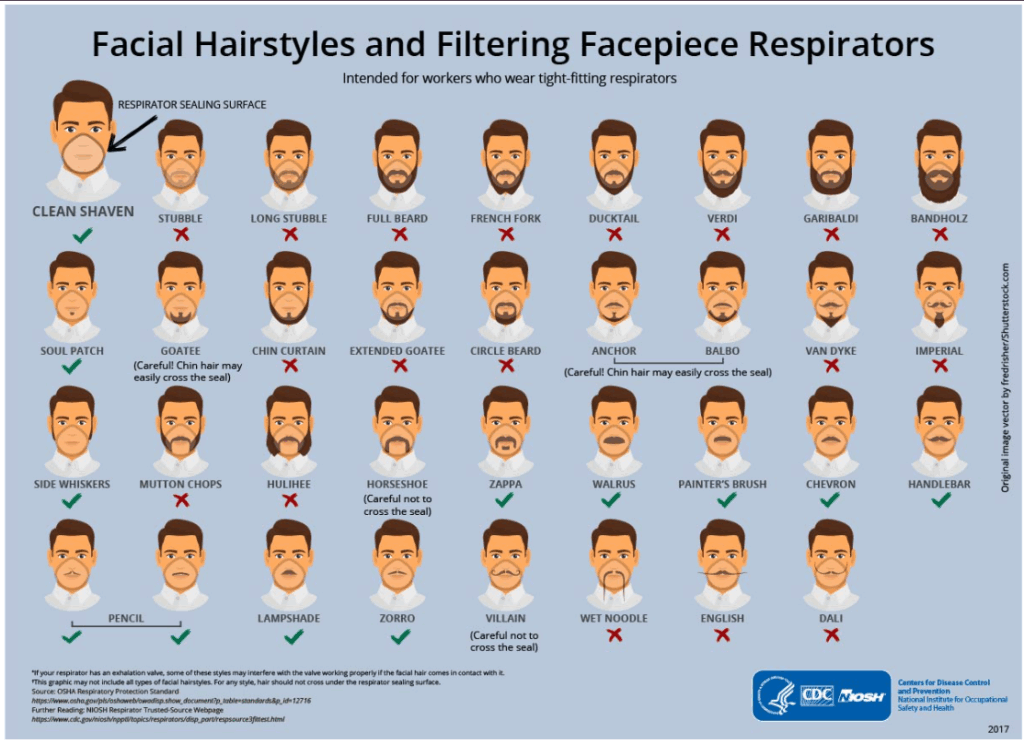
Sourced: To Beard or not to Beard? That’s a good Question! – CDC
5. Lockout-Tagout (1910.147) — 2,443 Violations
Lockout-Tagout (affectionately known as LOTO in the safety world) racked up 2,443 violations in FY 2024, moving down one spot from #4 in FY 2023. But don’t let the lower ranking fool you, this is still a massive problem that results in serious injuries and fatalities every year.
The Grim Reality: According to OSHA, failure to control hazardous energy accounts for nearly 10% of serious accidents in many industries. We’re talking about:
- Electrocutions
- Amputations
- Burns
- Crushing injuries
- Lacerations
These aren’t minor “boo-boo” injuries. These are life-changing or life-ending events.
What Is Lockout-Tagout?
Lockout-Tagout is a safety procedure that ensures dangerous machines and equipment are properly shut off and not able to be started up again before maintenance or repair work is completed. Think of it as putting your equipment in “timeout” before you work on it.
The Process Breakdown:
LOCKOUT = Physical lock prevents energy source activation TAGOUT = Tag identifies who locked it out and why
Together, they ensure that equipment stays off while someone is working on it.
Why LOTO Matters:
Imagine you’re doing maintenance on a machine. You think it’s off. You reach inside. Someone doesn’t know you’re working on it and hits the start button. The machine activates. You now understand why LOTO is critical.
Machines don’t have feelings, conscience, or awareness. They don’t care if your hand is inside when they start up. The only thing between you and catastrophic injury is a proper LOTO procedure.
6. Powered Industrial Trucks (1910.178) — 2,248 Violations
With 2,248 citations, powered industrial trucks (yes, that’s OSHA-speak for forklifts) prove that just because something has wheels doesn’t mean anyone should be behind the controls. These aren’t bumper cars at the county fair—they’re multi-ton machines capable of crushing, pinning, and catastrophically injuring workers.
Forklift accidents cause approximately 85 deaths and 34,900 serious injuries annually in the U.S. These machines lift thousands of pounds, operate in tight spaces, and share floors with pedestrians. What could possibly go wrong?
Why This Matters: A forklift accident doesn’t just damage product or equipment—it destroys lives. Tip-overs, struck-by incidents, and crushing accidents are brutal and often preventable. Yet employers continue to let untrained or improperly trained workers operate these vehicles like it’s no big deal.
What OSHA Requires:
For Operator Training:
- Only trained and certified operators may use powered industrial trucks. Your cousin who “drove one once at his old job” doesn’t count as certified.
- Training must include formal instruction, practical training, and evaluation of the operator’s performance in the workplace
- Refresher training required every three years or when unsafe operation is observed
- Training must be specific to the type of truck the operator will use—yes, different forklifts require different training
Additional Safety Measures:
- Daily pre-operation inspections of trucks
- Proper maintenance and immediate removal of damaged equipment from service
- Load capacity plates visible and never exceeded
- Seat belts must be worn (they’re there for a reason)
- Speed limits enforced in the workplace
- Pedestrians and truck traffic separated where possible
- Proper refueling/recharging procedures followed
- No riding on forklifts unless a second seat is provided
Real Talk: If you’re letting untrained workers operate forklifts, you’re creating a disaster movie in real-time. Certification isn’t optional, it’s literally the law.
7. Fall Protection—Training Requirements (1926.503) — 2,050 Violations
Racking up 2,050 violations, we have fall protection training, or rather, the spectacular lack thereof. Apparently, some employers believe that handing someone a harness and saying “don’t fall” constitutes adequate training.
Spoiler alert: OSHA disagrees.
Here’s the thing: Having fall protection equipment is meaningless if your workers don’t know how to use it properly. It’s like giving someone a parachute without explaining the whole “pulling the ripcord” part.
Why This Matters: Improperly used fall protection can be just as dangerous as no fall protection. A poorly anchored system, incorrectly worn harness, or misunderstanding of when protection is needed can lead to exactly the catastrophic falls these systems are designed to prevent. Training isn’t a suggestion, it’s the difference between life and death.
What OSHA Requires:
Training Program Must Include:
- Recognition of fall hazards in the work area. If your workers can’t identify danger, they can’t avoid it.
- Correct procedures for erecting, maintaining, disassembling, and inspecting fall protection systems
- Use and operation of guardrail systems, personal fall arrest systems, safety net systems, warning line systems, safety monitoring systems, controlled access zones, and other protection methods
- Role of each employee in safety monitoring systems when used
- Limitations of mechanical equipment used during roofing work on low-slope roofs
- Correct procedures for handling and storing equipment and materials and erecting overhead protection
Additional Requirements:
- Training must be provided by a qualified person
- Retraining required when changes in workplace or equipment occur
- Retraining when inadequacies in employee’s knowledge are observed
- Certification of training maintained with employee name, trainer signature, and training date
Real Talk: You can buy all the fall protection equipment in the world, but if your workers don’t know how to use it, you’re just decorating them with expensive gear before they fall. Train them properly or don’t put them at heights.
8. Scaffolding (1926.451) — 1,873 Violations
With 1,873 citations, scaffolding violations show us that temporary structures require permanent attention to safety. Scaffolding accounts for a significant portion of construction injuries and deaths, yet employers continue to treat these elevated work platforms like an afterthought.
A scaffold isn’t just some pipes thrown together, it’s a complex engineered system that supports workers, tools, and materials dozens of feet in the air. When it fails, people fall. When people fall, they get seriously hurt or killed. The math is simple and brutal.
Why This Matters: Approximately 2.3 million construction workers (65% of the construction industry) work on scaffolds. Scaffolding accidents cause an estimated 4,500 injuries and 60 deaths annually in the U.S. These aren’t freak accidents, they’re predictable results of poor planning, improper construction, and inadequate inspection.
What OSHA Requires:
For Scaffold Construction and Use:
- Scaffolds must be designed by a qualified person and constructed and loaded according to that design. “Eyeballing it” is not a design methodology.
- Scaffold platforms must be fully planked or decked with no gaps greater than one inch
- Guardrails required on all open sides and ends of platforms more than 10 feet above a lower level
- Scaffolds must support their own weight plus at least four times the maximum intended load
- Access (safe means of getting on/off) must be provided—climbing the cross-braces is not access
- Scaffolds erected on unstable surfaces must use adequate foundation support
Additional Safety Measures:
- Competent person must inspect scaffolds before each work shift and after any occurrence that could affect structural integrity
- Scaffolds must be plumb, level, and square
- Proper fall protection for workers on scaffolds above 10 feet
- Protection from falling objects (toeboards, debris nets, catch platforms)
- Mobile scaffolds must have wheels locked during use
- Scaffold components from different manufacturers not allowed to be intermixed unless they fit together properly
- All scaffolds over 125 feet in height must be designed by a registered professional engineer
Real Talk: A scaffold is literally the ground beneath your workers’ feet when they’re elevated. If you wouldn’t walk on it yourself, why would you ask them to? Proper scaffold construction isn’t complicated, it’s just non-negotiable.
9. Eye and Face Protection (1926.102) — 1,814 Violations
Coming in at 1,814 violations, we have eye and face protection, proving that some employers still think squinting counts as PPE. Spoiler: Your eyelids are not ANSI-rated safety equipment.
Eye injuries are among the most preventable workplace injuries, yet they continue to happen with alarming frequency. Flying particles, splashing chemicals, molten metal, harmful radiation—there are countless ways to damage the only eyes you’ll ever have, and exactly one way to prevent it: proper eye and face protection.
Why This Matters: Approximately 2,000 U.S. workers sustain job-related eye injuries requiring medical treatment every single day. Of these injuries, 10-20% result in temporary or permanent vision loss. The tragic part? The Bureau of Labor Statistics reports that nearly three out of five workers injured were not wearing eye protection at the time of the accident. Even when protection is available, it’s not being used.
What OSHA Requires:
For Eye and Face Protection:
- Employers must ensure that employees use appropriate eye or face protection when exposed to hazards from flying particles, molten metal, liquid chemicals, acids or caustic liquids, chemical gases or vapors, or potentially injurious light radiation. “Just be careful” is not a control measure.
- Eye and face protection must comply with ANSI Z87.1 standards or be demonstrated to be equally effective
- Protection must be appropriate for the specific hazard, safety glasses for impact, goggles for chemicals, face shields for splash hazards
- Side protection required when there is hazard from flying objects
- Prescription lens wearers must use protective devices that incorporate prescription, fit over regular glasses, or have prescription lenses mounted behind protective lenses
Additional Protection Measures:
- Employers must ensure eye protection fits properly and is comfortable enough to be worn consistently
- Equipment must be maintained in good condition, scratched, pitted, or damaged protection must be replaced
- Equipment must be cleaned and disinfected regularly, especially when shared between workers
- Special purpose protection required for specific hazards (welding helmets for welding, laser safety glasses for laser work, etc.)
- Emergency eyewash stations must be available where corrosive materials are used
Real Talk: You know what’s more expensive than safety glasses? Blindness. You know what’s more inconvenient than wearing safety glasses? Living without eyes. The cost-benefit analysis here is so obvious a blind person could see it (but let’s not make any more blind people, okay?).
10. Machine Guarding (1910.212) — 1,541 Violations
Rounding out the top 10 with 1,541 violations is machine guarding, where employers apparently believe that exposed rotating parts, flying chips, and pinch points add character to the workplace. They don’t, they add amputations.
Industrial machinery is powerful, fast, and completely indifferent to human flesh. Unguarded machines don’t hesitate, don’t slow down, and don’t care about your medical bills. They just keep operating, regardless of what (or who) gets caught in them.
Why This Matters: Machine-related injuries are among the most severe workplace accidents. Amputations, crushed limbs, degloving injuries, and deaths occur when workers come into contact with unguarded machine parts. These aren’t injuries that heal with a band-aid and some ice, they’re life-altering events that could have been prevented with proper guards.
What OSHA Requires:
For Machine Guarding:
- One or more methods of machine guarding must protect operators and other employees from hazards including point of operation, rotating parts, flying chips, and sparks. “Watch your hands” is not a guarding method.
- Guards must be affixed to the machine where possible and secured to prevent removal or tampering
- Point of operation guarding required to prevent hands, fingers, or any body part from entering the danger zone
- Guards must not create additional hazards such as shear points, sharp edges, or pinch points themselves
- Guards must not interfere with normal operation or prevent necessary machine maintenance
Types of Hazards Requiring Guards:
- Point of operation (where work is performed on material)
- Power transmission apparatus (belts, chains, gears, shafts)
- Rotating parts (even smooth, unbroken surfaces can grip clothing or hair)
- In-running nip points (created by rotating parts)
- Flying chips and sparks
- Reciprocating, rotating, and transverse moving parts
Additional Safety Measures:
- Guards must allow safe lubrication without removal when possible
- Machines must be de-energized before guards are removed for maintenance (lockout/tagout)
- Guards must be replaced immediately after maintenance
- Training required on why guards are necessary and how to use them properly
- Regular inspection to ensure guards are in place and functioning
- Emergency stop controls must be readily accessible
Real Talk: Machine guards exist because machines are faster and stronger than humans, and they will win every single confrontation. If you’re removing guards for convenience or to speed up production, you’re not optimizing efficiency, you’re scheduling an amputation. Keep the guards on, keep the fingers attached. It’s really that simple.
Prevent OSHA’s Violations with Observia this Year
Don’t let OSHA violations disrupt your operations or put your team at risk in 2026.
With Observia’s intelligent safety management platform, you can proactively identify hazards, ensure compliance, and build a culture of safety that protects both your workers and your bottom line.
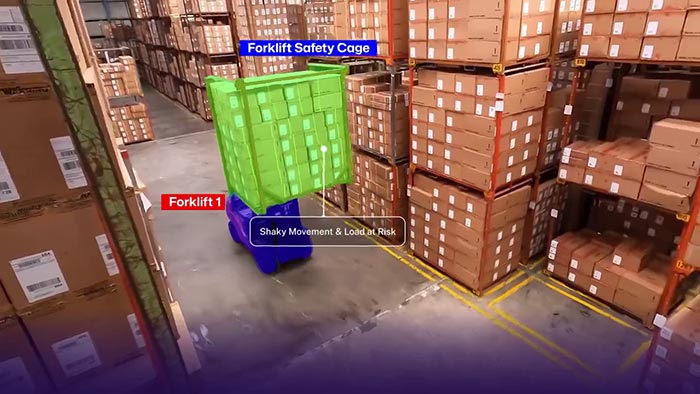
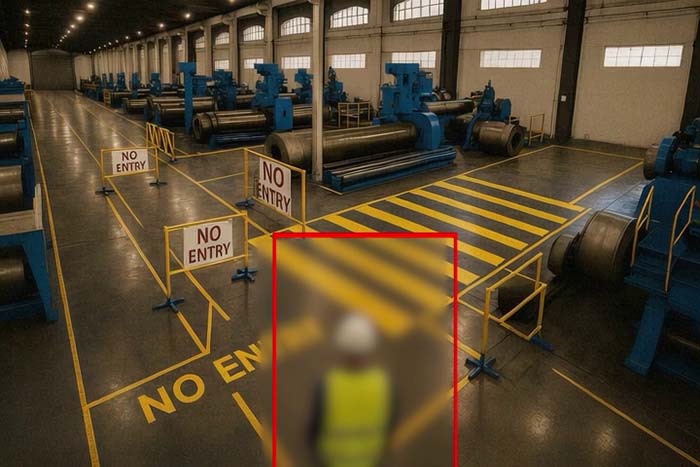
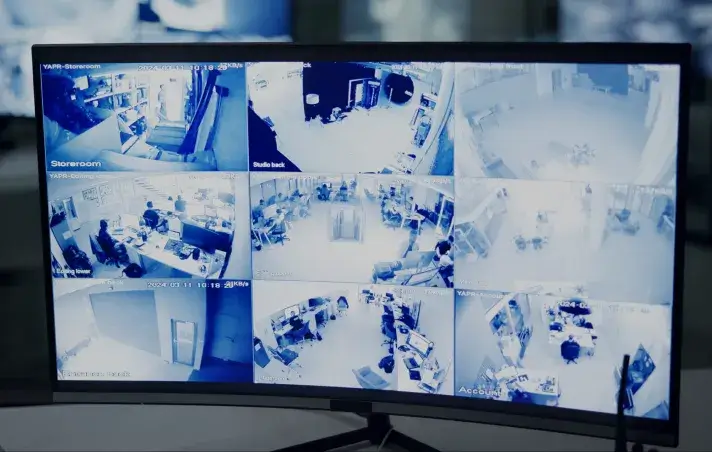
At Observia.ai we believe in simpler solutions to help you take a step forward. Here is a very simple glimpse of how we plan to help you.
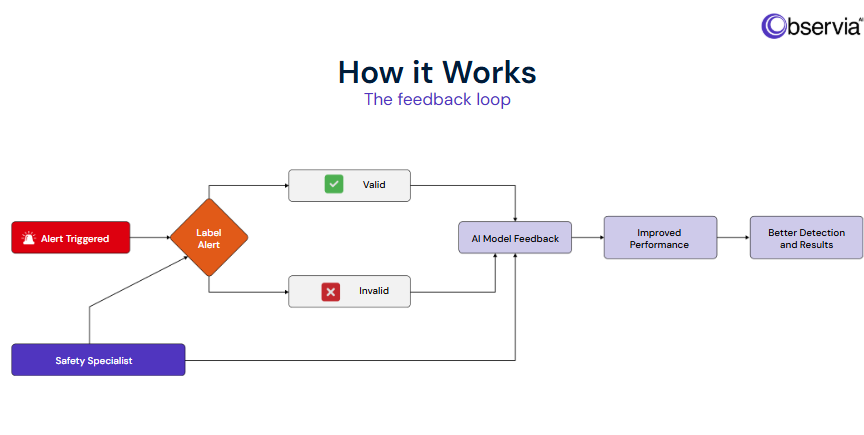
Take the first step toward a violation-free workplace schedule a demo with Observia today and discover how our cutting-edge technology transforms safety management from reactive to preventive. Your team’s safety is too important to leave to chance.