
 Observia Editorial Team
The Setup: Just Another Tuesday Morning
Sarah Martinez, the new Operations Manager at MegaCorp Distribution Center, decided to take an unplanned walk through the 200,000 square foot facility.
It was 7:30 AM, peak morning shift activity, and she wanted to see how things really operated when management wasn’t doing scheduled inspections.
What she discovered in just 15 minutes would lead to a complete overhaul of their safety protocols and prevent what could have been multiple serious accidents.
The Walk: A Safety Professional’s Nightmare
Stop 1: The Loading Dock – “Where’s Your Hard Hat?”
What Sarah Saw: A forklift operator loading pallets onto a truck while three dock workers stood nearby without hard hats, chatting casually about weekend plans. One worker was wearing sandals instead of steel-toed boots.
The Hidden Dangers:
- Falling objects risk: Pallets stacked 12 feet high with loose boxes
- Foot injuries: Sandals offer zero protection against dropped items or forklift wheels
- Head trauma potential: Low-hanging dock plates and equipment
PPE Violations Spotted:
- ❌ No hard hats in active loading zone
- ❌ Improper footwear
- ❌ Hi-visibility vests tucked in (reducing visibility)
Stop 2: The Narrow Aisles – “The Racing Game”
What Sarah Saw: Two forklift operators playing an unofficial “racing game,” speeding through narrow aisles while a maintenance worker on a ladder was fixing overhead lighting, completely unaware of the approaching forklifts.
The Behavioral Red Flags:
- Speed violations: Forklifts moving at unsafe speeds in pedestrian areas
- Communication breakdown: No spotters or warning systems
- Situational blindness: Workers focused on tasks without environmental awareness
- Horseplay culture: Informal competitions endangering everyone
Near-Miss Calculation: Sarah realized that if the maintenance worker had dropped a tool at that exact moment, or if one forklift had needed to brake suddenly, they could have had a fatality on their hands.
Stop 3: The Chemical Storage Area – “The Ticking Time Bomb”
What Sarah Saw: An employee mixing cleaning chemicals without gloves, safety glasses, or proper ventilation. Nearby, someone was eating lunch just 10 feet away from open chemical containers. Warning labels were peeling off, and some containers were unlabeled entirely.
Critical Safety Violations:
- ❌ No chemical-resistant gloves
- ❌ No safety eyewear
- ❌ Food consumption in chemical storage area
- ❌ Poor chemical labeling and storage
- ❌ Inadequate ventilation
The Science: Mixing certain industrial cleaners can create chlorine gas, a potentially lethal chemical weapon used in World War I. This wasn’t just a policy violation; it was a recipe for disaster.
Stop 4: The High-Bay Storage – “Death from Above”
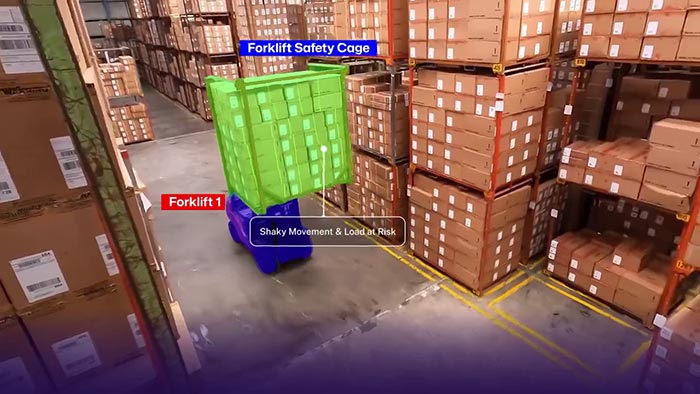
What Sarah Saw: A reach truck operator extending to maximum height (35 feet) while two employees walked directly beneath the load. The operator had no spotter, and the pedestrians were completely unaware of the overhead activity.
Behavioral Analysis:
- Spatial awareness failure: Pedestrians not checking overhead before walking
- Communication gaps: No established protocols for high-level operations
- Risk normalization: Workers had become desensitized to overhead dangers
Stop 5: The Break Room Revelation – “The Culture Problem”
What Sarah Overheard: “I don’t wear my safety glasses because they fog up.” “Those steel-toed boots hurt my feet.” “Management only cares about safety when the inspectors come around.”
The Real Issue: This wasn’t just about equipment, it was about culture, comfort, and trust.
The Turning Point: Sarah’s Realization
Standing in the middle of the warehouse, Sarah realized she wasn’t looking at isolated incidents. She was witnessing a systematic safety culture failure that could result in:
- Serious injuries or fatalities
- OSHA violations and fines
- Workers’ compensation claims
- Operational shutdowns
- Legal liability
- Irreparable damage to company reputation
The Transformation: From Problem to Solution
Immediate Actions (Day 1):
- Emergency safety briefing for all shifts
- Temporary operational slowdown until safety protocols were reviewed
- PPE audit and immediate replacement of inadequate equipment
- Incident reporting system overhaul
Short-Term Changes (Week 1-4):
- Comfort-focused PPE: Invested in better-fitting, more comfortable safety equipment
- Behavioral training programs: Focus on situational awareness and communication
- Peer safety champions: Workers trained to coach colleagues
- Visual management systems: Clear signage, floor markings, and hazard identification
Long-Term Cultural Shift (Month 1-6):
- Safety performance metrics tied to all management evaluations
- Employee feedback loops for continuous safety improvement
- Recognition programs celebrating safe behaviors
- Regular safety walks by leadership
- Investment in ergonomic equipment to reduce discomfort-driven safety violations
The Science Behind the Madness: Why These Violations Matter
Head Injuries: The 40-Foot Drop Test
A hard hat can mean the difference between a minor bump and a traumatic brain injury. A 2-pound object falling from 40 feet hits with approximately 2,000 pounds of force, enough to cause severe skull fractures.
Foot Protection: The 50-Pound Reality
The average warehouse processes items weighing 10-50 pounds. A 30-pound box falling from waist height can easily break bones in an unprotected foot, leading to months of recovery and permanent mobility issues.
Chemical Exposure: The 15-Second Rule
Many industrial chemicals can cause permanent eye damage in as little as 15 seconds of contact. Chemical burns to skin can occur in under a minute, and some respiratory exposures can cause immediate lung damage.
The Results: Numbers That Matter
Before the Safety Transformation:
- 23 recordable incidents per year
- Average of 4 near-misses reported monthly
- 67% PPE compliance rate
- $450,000 annual workers’ compensation costs
After the Safety Transformation (6 months later):
- 3 recordable incidents in 6 months
- Average of 47 near-misses reported monthly (better reporting culture)
- 94% PPE compliance rate
- 60% reduction in workers’ compensation costs
Key Takeaways for Every Warehouse Professional
For Management:
- Unannounced safety walks reveal more than scheduled inspections
- Comfort drives compliance—invest in quality PPE
- Culture beats policy every time
- Behavioral training is as important as technical training
For Workers:
- Your safety awareness affects everyone around you
- PPE discomfort is temporary; injuries can be permanent
- Speaking up about unsafe conditions protects your coworkers
- Situational awareness is your best defense against accidents
For Safety Professionals:
- Look for patterns, not just individual violations
- Address root causes, not just symptoms
- Make safety personal and relevant to each worker
- Measure leading indicators, not just lagging ones
The Bottom Line: Every Walk Matters
Sarah’s 15-minute walk prevented what could have been multiple serious accidents and transformed a dangerous workplace into a safety-conscious environment.
The lesson? Safety isn’t about perfect compliance with rules, it’s about creating a culture where everyone looks out for everyone else.
The next time you walk through your warehouse, ask yourself: What story would your 15 minutes tell?
Remember: In warehouse safety, there are no small violations, only small windows of time before they become big problems. Make every step count with Observia.ai