
 Observia Editorial Team
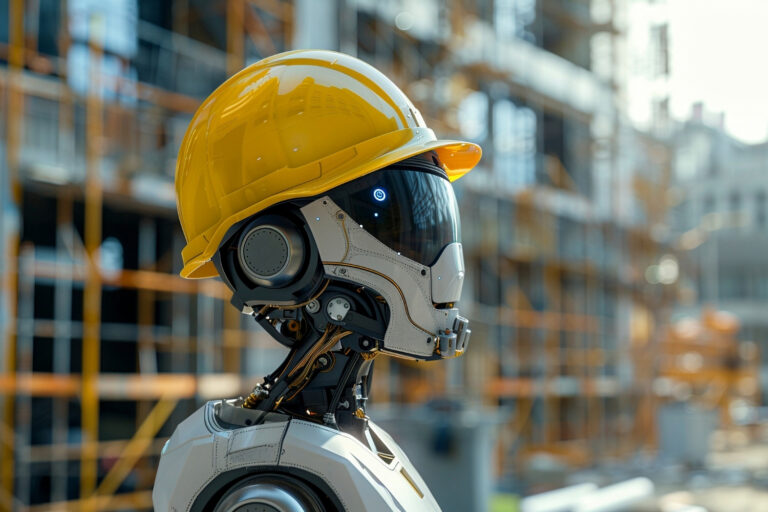
Workplace safety has evolved dramatically over the past decade, and one of the most transformative innovations is the integration of computer vision technology.
As industries grapple with the challenge of maintaining safe working environments while improving productivity, computer vision for workplace safety has emerged as a powerful solution that not only identifies hazards but actively promotes positive worker behaviour.
Workplace safety initiatives thrive on positive employee behavior. Yet introducing computer vision AI has sparked skepticism among many organizations. Through our research and direct conversations, Observia’s team has discovered that gaining employee buy-in remains the biggest hurdle.
This article explores how computer vision can genuinely enhance workplace safety, when implemented with empathy and a focus on positive reinforcement rather than surveillance
Understanding Computer Vision for EHS
Computer vision for EHS (Environmental, Health, and Safety) represents a significant leap forward in how organizations monitor and manage workplace risks.
This technology uses artificial intelligence and machine learning algorithms to analyze visual data from cameras and sensors, enabling real-time identification of safety violations, environmental hazards, and potential risks before they result in incidents.
The main purpose of computer vision in this context extends beyond simple surveillance. It serves as an intelligent assistant that continuously monitors workplace conditions, identifies patterns, and provides actionable insights to safety professionals.
By processing thousands of visual data points per second, these systems can detect anomalies that human observers might miss during routine inspections.
Recommended Read: AI Camera Systems Redefined: Observia’s Answer to Security Challenges
How Computer Vision is Used in Worker Safety
Computer vision technology has revolutionized workplace safety monitoring by offering continuous, objective, and scalable observation capabilities.
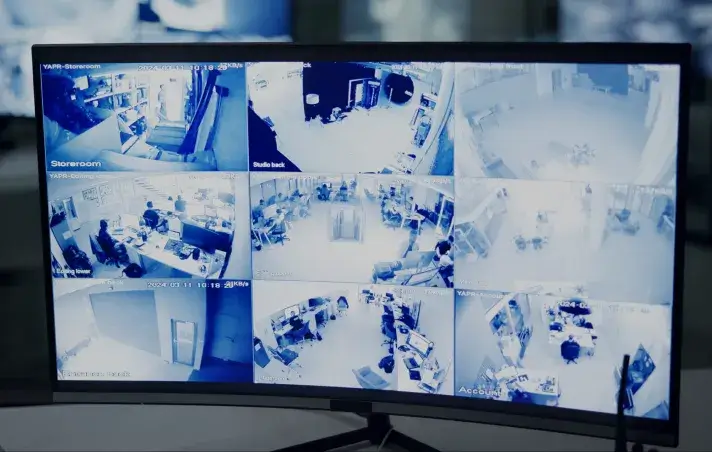
Unlike traditional safety measures that rely on periodic inspections or manual reporting, computer vision systems provide 24/7 monitoring across multiple locations simultaneously.
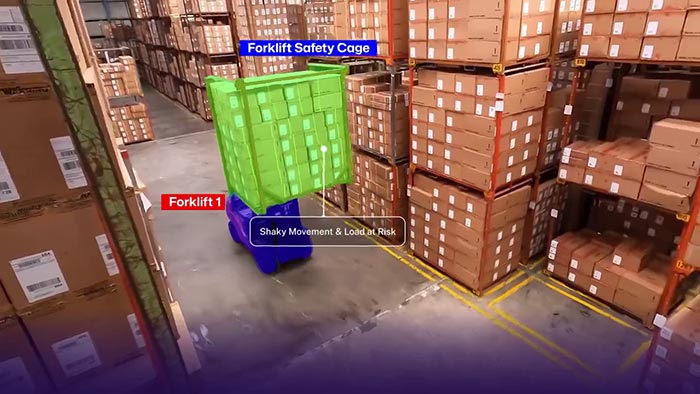
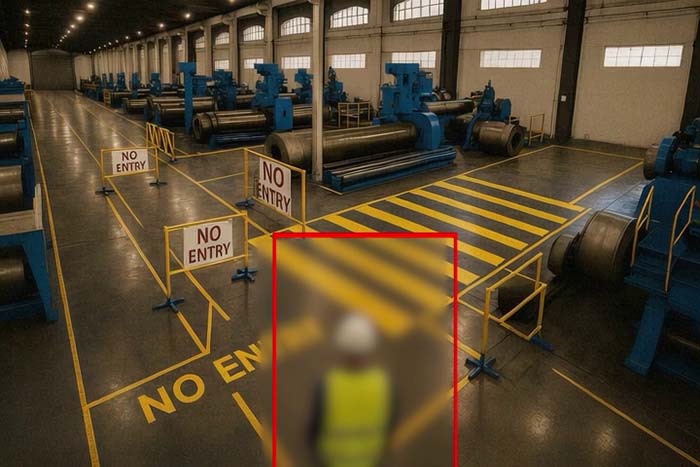
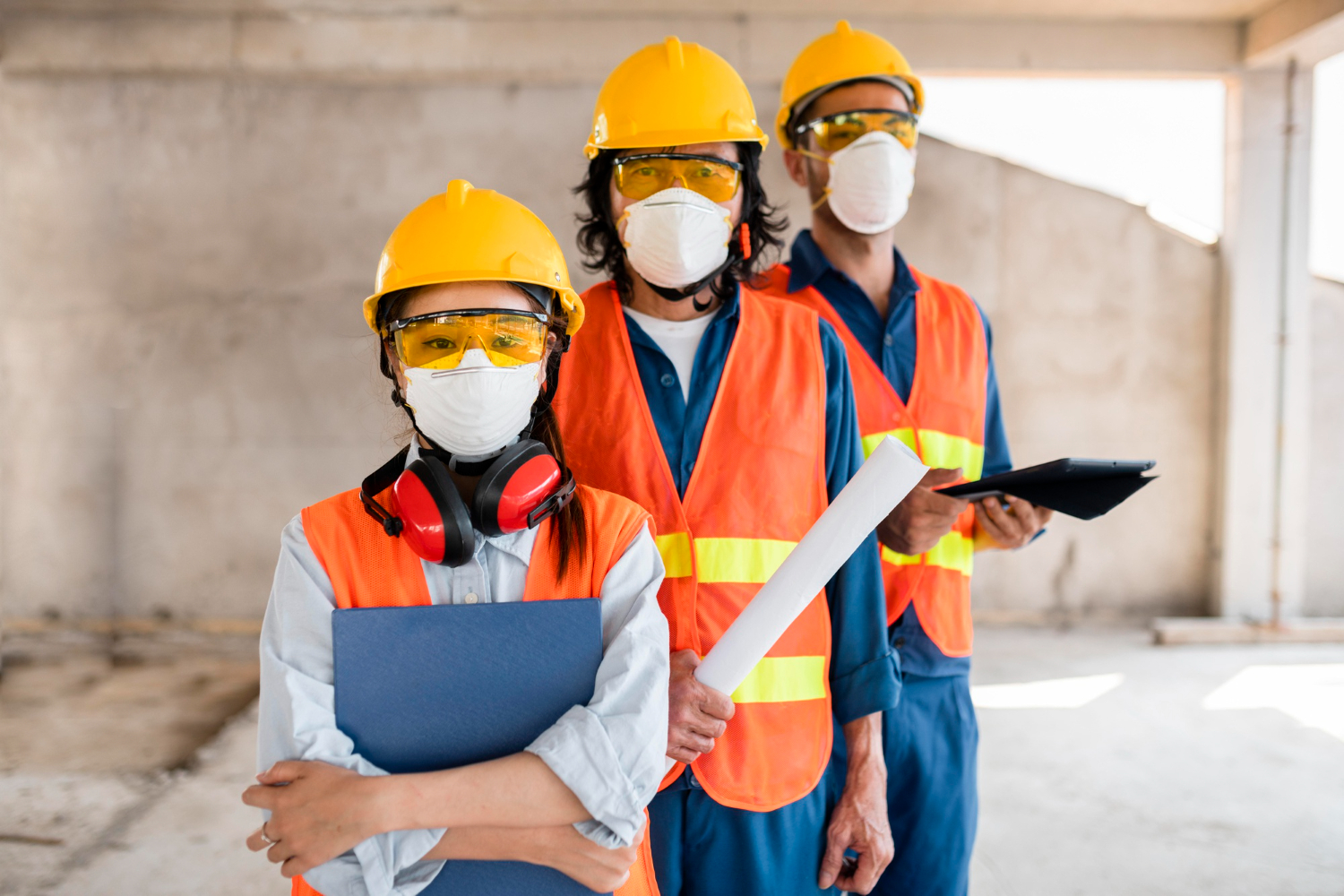
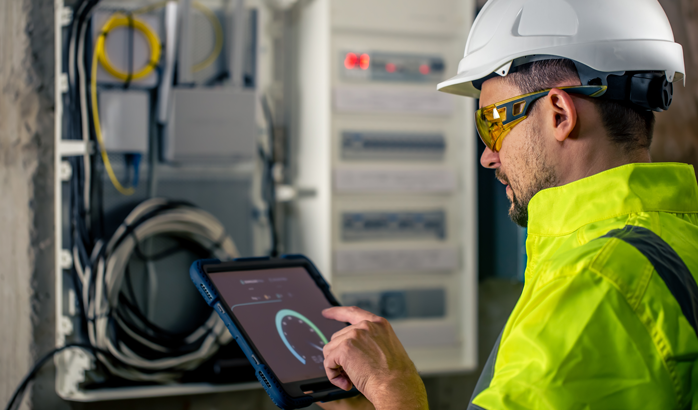
The technology works by analyzing video feeds to identify specific safety concerns such as workers entering restricted zones, failing to wear required personal protective equipment (PPE), or engaging in unsafe behaviours.
When a potential hazard is detected, the system can immediately alert supervisors, trigger automated warnings, or even initiate emergency protocols depending on the severity of the situation.
One of the most compelling applications is in detecting height-related risks.
Computer vision technology height-related risks workplace safety solutions can identify when workers are operating at dangerous elevations without proper fall protection, approaching the edge of elevated platforms, or using ladders incorrectly.
This proactive approach has significantly reduced fall-related injuries in industries like construction, manufacturing, and warehousing.
Get you free video analysis on Observia.ai today.
The Three Essential Components of Computer Vision
To understand how computer vision works in safety applications, it’s helpful to recognize its three essential components:
- Image Acquisition: This involves capturing visual data through cameras, sensors, or other imaging devices strategically positioned throughout the workplace. High-quality image acquisition is critical for accurate analysis, especially in challenging environments with varying lighting conditions or complex backgrounds.
- Image Processing: Once captured, the raw visual data undergoes processing to enhance quality, reduce noise, and prepare it for analysis. This step may involve filtering, edge detection, and feature extraction to identify relevant elements within the image.
- Image Analysis and Interpretation: The final component uses machine learning algorithms to understand what’s happening in the processed images. This is where the system identifies specific objects (like workers, equipment, or PPE), recognizes behaviors, and determines whether safety protocols are being followed.
Visual Workplace Practices Impact Safety
The connection between visual workplace practices and safety outcomes cannot be overstated.
Visual management systems, which include clear signage, color-coding, floor markings, and visual instructions, have long been recognized as effective safety tools.
Computer vision technology amplifies these benefits by ensuring that visual workplace practices are not only present but actually being followed.
When workers know their actions are being monitored by intelligent systems that recognize safe versus unsafe behaviors, it creates a powerful psychological incentive to comply with safety protocols. This isn’t about creating a surveillance state but rather about fostering a culture where safety becomes second nature.
Recommended Read: Unsafe Conditions: What are they and What you should know about them
Studies have shown that workplaces implementing computer vision for workplace safety experience measurable improvements in PPE compliance, reduced near-misses, and better adherence to safety procedures.
The visual feedback provided by these systems also helps workers understand the consequences of their actions in real-time.
When a worker receives immediate notification that they’ve entered an unsafe zone or forgotten required safety equipment, it creates a direct learning opportunity that reinforces proper behavior far more effectively than periodic training sessions alone.
How Does Visual Communication Impact Workplace Safety?
Visual communication is one of the biggest influences on work and safety culture. Computer vision systems enhance this communication by providing objective, data-driven insights that can be shared across the organization.
Safety managers can use visual dashboards showing compliance trends, heat maps of high-risk areas, and video evidence of both safe and unsafe practices.
This visual communication serves multiple purposes. It helps identify systemic issues rather than just individual violations, enables targeted training based on observed patterns, and provides concrete evidence when investigating incidents.
When workers can see visual proof of safety improvements resulting from changed behaviors, it reinforces the value of compliance and encourages continued vigilance.
Addressing Privacy Issues of Computer Vision
While the benefits of computer vision for workplace safety are substantial, privacy issues of computer vision technology must be addressed transparently and responsibly. Workers rightfully have concerns about being constantly monitored, how their data is used, and who has access to recorded footage.
Organizations implementing these systems must establish clear policies that balance safety objectives with privacy rights. This includes limiting data collection to safety-relevant information, implementing strict access controls, anonymizing data whenever possible, and being transparent about monitoring practices.
Many modern systems can be configured to detect safety violations without storing identifying information about individual workers, focusing instead on behaviors and conditions rather than personal surveillance.
Successful implementation requires involving workers in the decision-making process, clearly communicating the safety benefits, and establishing trust that the technology will be used appropriately.
When workers understand that the goal is protecting their wellbeing rather than punitive oversight, acceptance rates increase dramatically.
Computer Vision Technology in Security and Industrial Safety
Beyond safety monitoring, computer vision is used in security applications that complement workplace safety efforts. Access control systems can verify that only authorized personnel enter restricted areas, while perimeter monitoring can detect unauthorized intrusions that might compromise both security and safety.
In industrial safety specifically, AI is used to monitor complex processes, detect equipment malfunctions, and identify environmental hazards that could pose risks to workers. For example, computer vision systems can monitor temperature variations indicating potential fire hazards, detect gas leaks through visual changes in air quality, or identify structural issues in equipment before catastrophic failures occur.
Overcoming the Most Significant Challenge for Workplace Safety Professionals
The most significant challenge for workplace safety professionals has traditionally been achieving consistent compliance with safety protocols across all shifts, locations, and situations. Human nature means that shortcuts are taken, especially when workers feel time pressure or when supervision is minimal.
Computer vision technology addresses this challenge by providing consistent, objective monitoring that doesn’t suffer from fatigue, distraction, or inconsistent application of standards. It democratizes safety oversight, ensuring that the same level of attention is paid to safety whether it’s the day shift with full management presence or the night shift with minimal supervision.
Fostering Long-Term Positive Behaviour Change
The true value of computer vision for workplace safety lies not in catching violations but in fostering positive worker behaviour over time.
When implemented thoughtfully, these systems create a feedback loop that gradually transforms workplace culture.
Workers become more aware of safety protocols, develop better habits, and ultimately internalize safe practices to the point where they become automatic.
This behaviour change extends beyond individual workers to influence team dynamics and organizational culture. When everyone in a workplace is held to the same standards and receives consistent feedback, it creates peer accountability and collective ownership of safety outcomes.
Help Foster Positive Behavior Workplace with Observia.ai
Computer vision workplace safety technology represents more than just another monitoring tool, and Observia understands that.
At Observia, teams are detected to ensure it’s a catalyst for cultural transformation that places worker wellbeing at the center of operational excellence.
By combining continuous monitoring, real-time feedback, and data-driven insights, Observia help organizations move from reactive to proactive safety management while fostering the positive worker behaviours that ultimately prevent injuries and save lives.
Want to learn more about cultural safety with Observia?
Book your slot with Observia today for a quick demo.