 Observia Editorial Team
The Setup: When Procedures Meet Reality
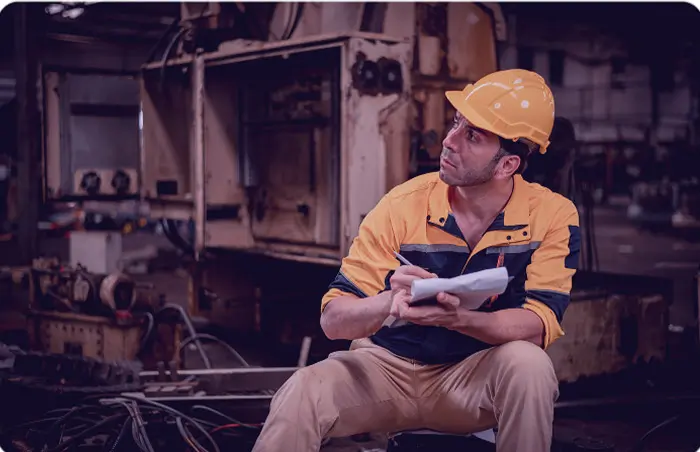
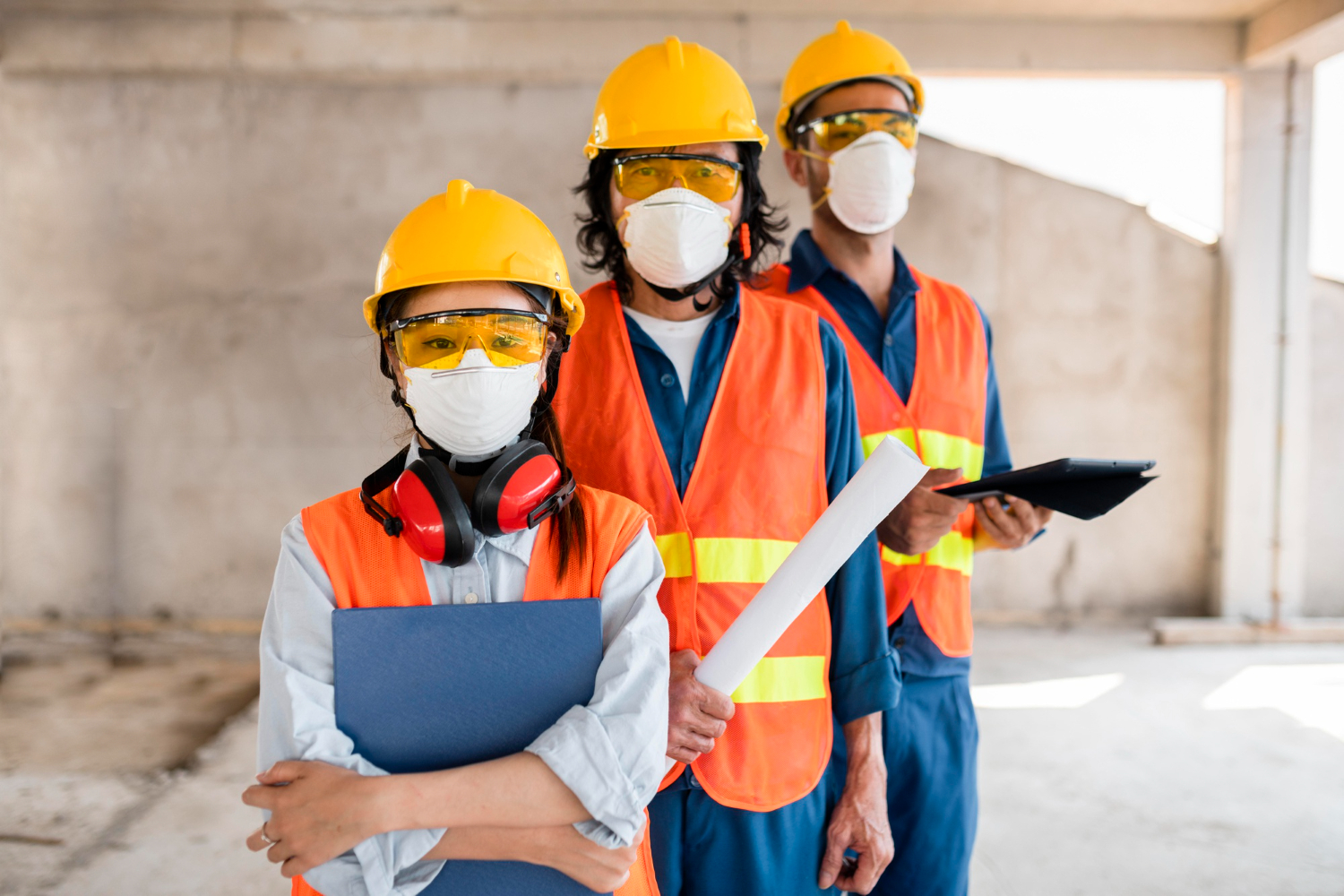
It was 9 AM on a Tuesday when the operations manager at a mid-size manufacturing facility noticed something. During her routine walk through the production floor, she spotted three safety violations in the span of ten minutes: a worker without gloves at a machine station, another entering a restricted zone without a hard hat, and a third with a missing reflective vest near forklift operations. The facility had excellent safety procedures. Training happened quarterly. PPE was provided and accessible. Supervisors were trained. And yet, these violations were happening right now, during normal operations.
She made a mental note to address it. By 3 PM, she’d handled three other issues. By Friday, it was forgotten.
By the following week, those same three workers had developed a habit. By month two, other team members were copying the behavior.
This is where most facilities discover a hard truth: safety procedures are only as good as your ability to enforce them continuously. Manual monitoring can’t be everywhere at once.
This is where AI-powered workplace safety changes the equation entirely.
The Gap Between Good Intentions and Consistent Reality
OSHA’s violation data tells a consistent story. PPE non-compliance, unsafe work practices, and inadequate hazard control appear year after year in their top ten citations. Not because facilities don’t care. Not because procedures are absent.
Recommended Read: The Ultimate Guide to OSHA Violations: Don’t Let Safety Standards Trip You Up (Literally)
The gap exists because human oversight is inherently inconsistent. A safety team can walk a facility once a week during scheduled inspections. They can’t be present during every shift, every zone, every moment when a worker chooses whether to follow safety protocol or take a shortcut.
Most incidents don’t announce themselves. They develop as patterns, small gaps in compliance that repeat until they become behavioral habits. By the time a safety audit catches them, the pattern is already entrenched.
Traditional workplace safety focuses on what you can measure after the fact. Incident investigations. Audit reports. Training completion rates. These tell you what went wrong. They don’t prevent what’s about to go wrong.
AI in workplace safety inverts that equation. Instead of auditing toward prevention, you’re observing continuously.
What AI-Powered Workplace Safety Actually Does
AI-powered safety isn’t about replacing people. It’s about giving safety teams the visibility they need to actually prevent incidents instead of investigating them.
Here’s what happens when you deploy AI video analytics for workplace safety:
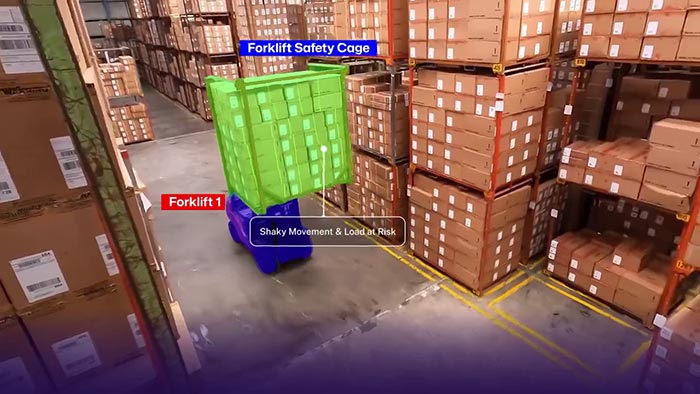
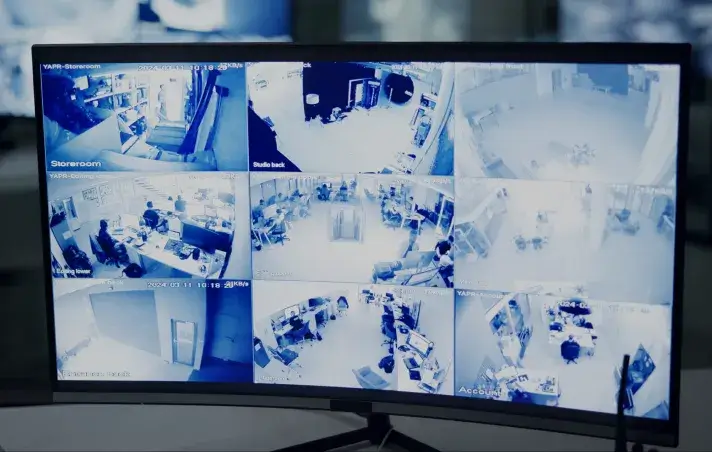
Your existing cameras—the CCTV system already installed for general facility monitoring—becomes an intelligent observer. Instead of recording footage that nobody reviews, the AI analyzes video in real time. When unsafe acts occur, the system flags them instantly.
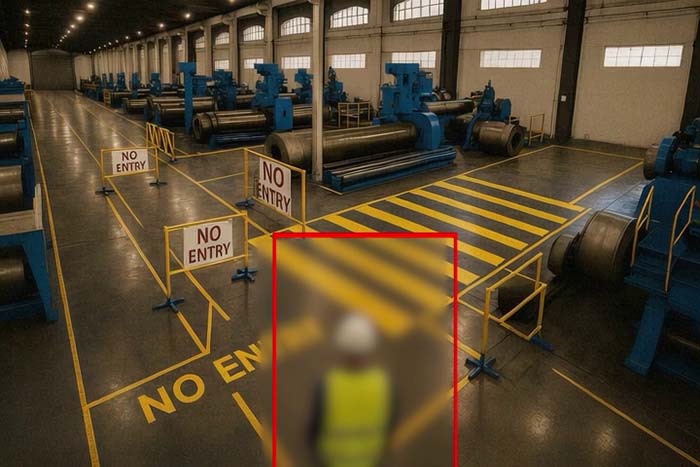
A worker enters a restricted zone without a hard hat. The system alerts supervisors immediately. Not hours later. Not after an audit. Now. While intervention is still possible.
Gloves go missing at a machine station. The AI detects it. Safety teams see the pattern forming at that specific location and address the root cause (maybe equipment placement, maybe workflow design, maybe equipment accessibility).
A reflective vest isn’t worn during forklift operations. The system creates a record. Over time, you see whether this is an isolated incident or a habit forming with a specific person or during specific shifts.
This is AI-enabled workplace safety at its core: continuous observation that enables proactive intervention instead of reactive investigation.
Three Layers of Protection AI Provides
Real-Time Detection and Alerts
The immediate layer is detection. AI video analytics for workplace safety monitors footage 24/7 and flags unsafe acts instantly. Workers entering restricted zones without PPE. Unsafe equipment handling. Near-miss situations. Fall risks. Ergonomic violations.
The alert reaches supervisors in real time. Intervention happens before the violation becomes a repeated behavior. This matters because most safety violations don’t start as intentional rule-breaking. They start as convenient shortcuts that nobody stops.
When a worker realizes that unsafe behavior triggers an immediate response, the behavior changes. Not from punishment, but from visibility. Accountability shifts from “we’ll investigate incidents” to “we see unsafe acts as they happen.”
Pattern Recognition and Root Cause Understanding
The second layer is insight. AI-powered safety systems don’t just flag individual violations. They reveal patterns.
Five PPE violations at the same machine station within two weeks suggests an environmental issue, not a training problem. Three slip incidents in a specific area within days suggests a housekeeping or maintenance issue. Helmet non-compliance concentrated during shift changes suggests a workflow design problem.
These patterns are where root causes hide. Manual audits miss them because they’re periodic. You might inspect that area every two weeks. By then, the pattern isn’t visible—just scattered incidents.
Continuous AI observation reveals patterns instantly. Your safety team sees the root cause before it creates injury risk. Corrective actions become targeted instead of generic. You address why unsafe behavior is happening, not just that it is.
Behavioral Change Through Accountability
The third layer is cultural. When workers know safety is being monitored continuously, behavior changes.
This isn’t about surveillance creating fear. It’s about visibility creating accountability. Workers know that unsafe shortcuts aren’t just monitored during formal inspections—they’re observed always. The incentive to follow safety protocol strengthens because compliance is consistently visible.
The behavioral shift happens gradually. Week one: workers are conscious of cameras and adjust behavior temporarily. Week two: the adjustment becomes habit. By month one, the safer behavior is normalized.
More importantly, supervisors change too. When they can see actual unsafe acts instead of guessing about compliance, their interventions become educational rather than punitive. They understand the real root cause and can address it specifically.
AI-Powered Workplace Safety Training: The Often-Missed Advantage
Most facilities treat safety training as a box to check. Workers attend mandatory sessions. They sign off on understanding. Management confirms training occurred.
Then workers return to the floor and fall back into old habits because habits are powerful and training is abstract.
AI-powered workplace safety training bridges that gap. Training becomes connected to actual behavior, not theoretical knowledge.
Instead of generic “PPE compliance” training, workers see video of actual violations from your facility. They understand specifically where people are skipping hard hats—maybe it’s convenient shortcuts, maybe it’s unclear signage, maybe equipment is poorly placed.
Training becomes diagnostic. It addresses the actual problem, not the assumed problem.
Follow-up training targets specific workers or departments based on violation data. A worker with repeated PPE violations gets focused retraining on the specific hazard they’re not protecting against. A department with high incident frequency gets job-specific safety training.
The outcome: training actually changes behavior because it’s targeted, specific, and connected to real workplace conditions not generic classroom content disconnected from actual risk.
The Real Outcomes AI-Powered Safety Delivers
When facilities implement AI in workplace safety comprehensively, the outcomes compound:
Incident reduction: Facilities see 30-50% reductions in near-miss incidents within six months. Not because people suddenly care more. Because unsafe behaviors are caught before they cause injury.
Compliance improvement: PPE non-compliance drops significantly. Not from increased punishment, but from increased visibility making violations difficult to sustain as habit.
Investigation efficiency: When incidents do occur, investigations are faster and more thorough. You have video evidence. You understand context. Root causes are clearer.
Training effectiveness: Safety training actually changes behavior because it’s connected to observed violations and specific facility conditions.
Insurance and claims impact: Facilities with lower incident frequency and better safety documentation see measurable improvements in insurance profiles and claims costs.
Culture shift: The most significant outcome is harder to quantify but most important: safety shifts from something management enforces to something the entire team takes seriously because they see it being observed and addressed consistently.
Addressing the Legitimate Concerns
AI-powered workplace safety raises valid questions that deserve honest answers:
Privacy and data handling: Video analytics doesn’t require identifying individuals. Most systems use anonymized detection—they flag unsafe acts without recording faces or names. Data residency is important. Verify whether video stays on-site or moves to cloud systems.
False positives and alert fatigue: A system that flags every minor variance becomes noise. Good platforms allow customization. You can tune what triggers immediate alerts versus what gets logged for trend analysis.
Technology replacing judgment: AI is an observer, not a decision-maker. It flags unsafe acts. Your safety team decides on corrective actions. Technology surfaces data. Humans apply judgment and leadership.
Integration with existing workflows: Will this create extra work or streamline it? The best platforms integrate with existing EHS systems and safety processes instead of forcing new workflows.
Adoption by frontline teams: Will workers accept AI monitoring or will they resist it as intrusive? The answer depends on how it’s implemented. If positioned as a safety tool that protects them, adoption is higher. If positioned as surveillance, resistance is predictable.
Implementation Reality: From Deployment to Behavior Change
Rolling out AI-powered safety doesn’t happen overnight. Here’s what realistic implementation looks like:
Phase one: Deploy AI video analytics on your existing camera infrastructure. Most systems work with cameras already in place. No major hardware investment required.
Phase two: Customize detection rules to your facility’s specific hazards. What constitutes “unsafe” in a warehouse differs from manufacturing. Tune the system to your actual risk profile.
Phase three: Establish response workflows. When an alert comes in, who sees it? What’s their action? Does it integrate with your ticketing system? How are corrective actions tracked?
Phase four: Train your team. Safety staff, supervisors, and workers all need to understand how the system works and how to respond to alerts.
Phase five: Monitor effectiveness and adjust. Track whether incident frequency is dropping. Identify whether certain alerts are generating false positives. Refine the system based on real-world usage.
This typically takes 90-120 days from deployment to full integration. The payoff reduced incidents, improved compliance, better training effectiveness compounds over months.
The Competitive Advantage of AI in Workplace Safety
Facilities that implement AI-powered safety gain tangible competitive advantages:
In industries where safety is a differentiator (construction, manufacturing, logistics), a strong safety record becomes a selling point. Better safety records attract better clients and partnerships.
Insurance costs reflect your safety performance. Facilities with measurably lower incident frequency negotiate better insurance rates.
Talent acquisition improves. Workers prefer working at facilities with strong safety cultures. Better safety reputation attracts better people.
Compliance becomes easier. Regulatory audits are less contentious when you can demonstrate continuous monitoring and proactive incident prevention.
Most importantly, you create an environment where people actually want to work safely because they see that safety is taken seriously consistently, not just talked about periodically.
The Reality Check: AI Solves Visibility, Not Culture
Here’s what AI-powered workplace safety won’t do: it won’t create a safety culture by itself.
AI is observant. It’s not inspiring. It can’t replace leadership commitment, clear communication about why safety matters, or management actually caring about employee wellbeing.
What AI does is enable those things to work better. Clear leadership about safety requirements becomes enforceable when unsafe acts are observed continuously. Communication about safety hazards becomes credible when workers see that violations are actually addressed. Management commitment to safety becomes visible when resources are invested in continuous monitoring and response.
AI amplifies good safety management. Without good management, AI just creates more data nobody acts on.
The Decision: Is AI-Powered Safety Right for Your Operation?
Consider AI-powered workplace safety if:
You’re struggling with consistent PPE compliance despite clear policies. Your facility is large enough that manual auditing misses patterns. You have significant camera infrastructure already in place. You’re serious about moving from reactive incident investigation to proactive incident prevention. Your insurance profile or regulatory exposure makes safety a priority.
Skip it if: You have a small operation where management can personally observe all activity. Your main safety challenges aren’t PPE or visible unsafe acts. You’re looking for a shortcut that will replace real safety leadership.
The honest answer for most mid-size to large facilities: AI-powered workplace safety is no longer optional if you’re serious about reducing incidents.
What The Future Looks Like
Workplace safety is shifting. Traditional safety focuses on what you can inspect and audit. Modern safety AI-enabled workplace safety, focuses on what you can observe continuously.
The facilities leading in safety outcomes aren’t the ones with the best written procedures. They’re the ones with the best visibility into actual behavior. Where workers can’t develop unsafe habits undetected. Where patterns are caught before they become injuries.
AI in workplace safety is accelerating this shift. It’s not magic. It’s not replacing human judgment. It’s doing what humans can’t: observing everything, all the time, consistently, without fatigue or bias.
The question isn’t whether AI-powered safety is coming to your industry. It’s whether you’ll implement it proactively or wait until competitors set the standard and you’re playing catch-up.
Most incidents start as patterns. The question is when you see them.
AI-powered workplace safety means you see them on day one.