 Observia Editorial Team
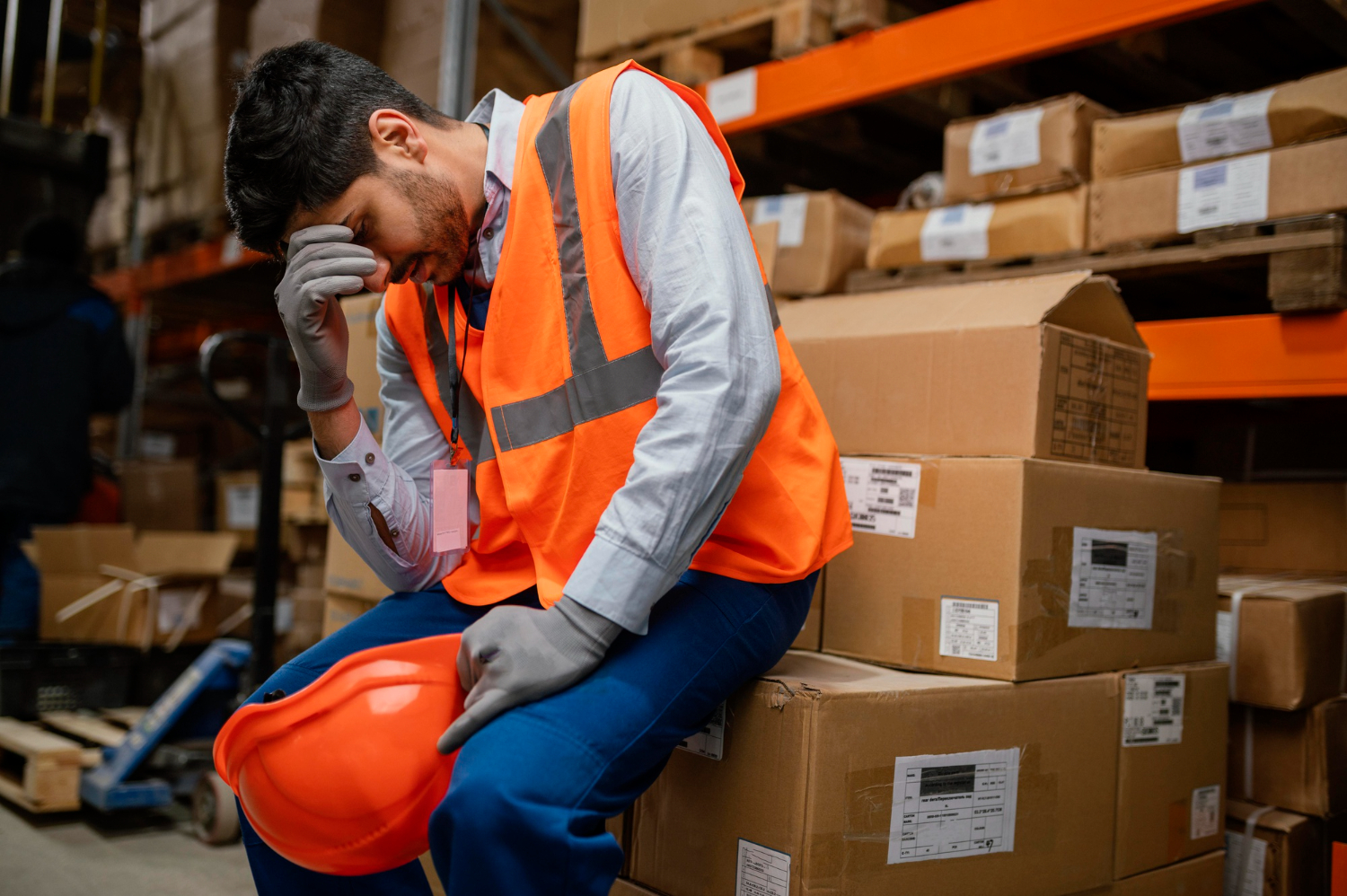
Every year, nearly 395 million workers are injured on the job. That’s not just a number – it’s a staggering reminder of how many families are affected by preventable workplace incidents. Behind each injury is someone’s colleague, friend, or loved one who deserved to go home safe.
For decades, safety programs have relied on paper checklists, periodic audits, and reactive investigations. But hoping someone catches a hazard in time isn’t a strategy – it’s a gamble. In 2026, AI security monitoring software is changing the game by shifting from incident response to risk prediction and prevention. These systems are catching hazards in real time – before they turn into injuries.
What Is AI Security Monitoring Software for Workplace Safe?
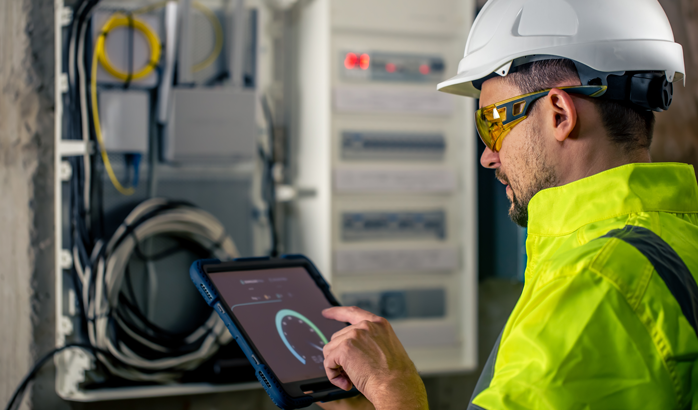
AI security monitoring software for workplace safety uses artificial intelligence, computer vision, and machine learning to continuously watch over work environments and identify risks before they cause injuries.
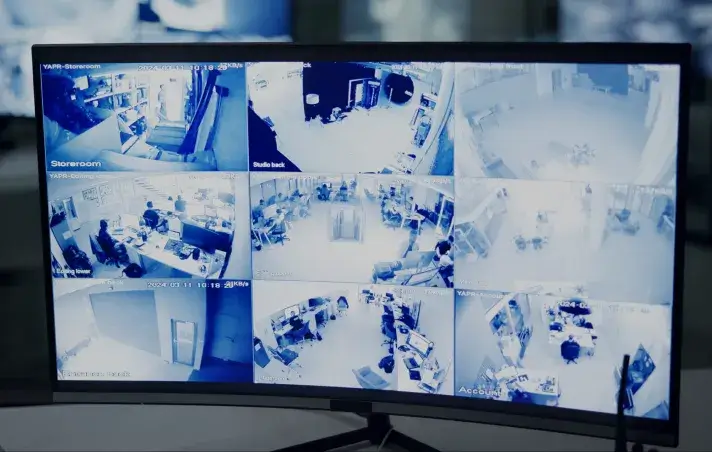
Unlike traditional CCTV that simply records footage for later review, these intelligent systems analyze what’s happening in real-time and alert safety teams the moment dangerous conditions appear.
Think of it as having a tireless safety professional watching every corner of your facility 24/7, never blinking, never getting distracted, and instantly recognizing patterns that signal trouble ahead.
These platforms typically detect:
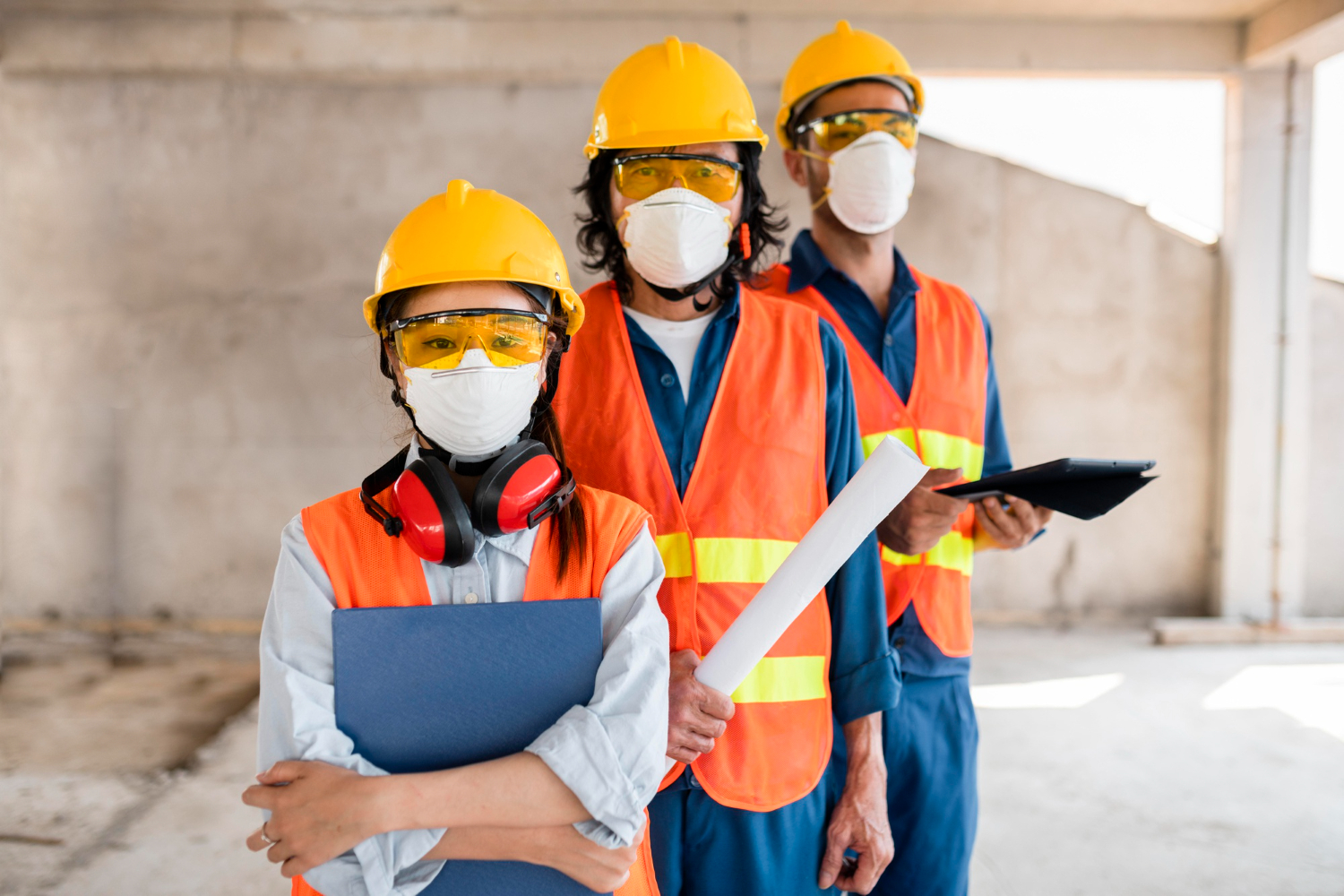
- PPE violations – Workers without required helmets, gloves, vests, or eye protection
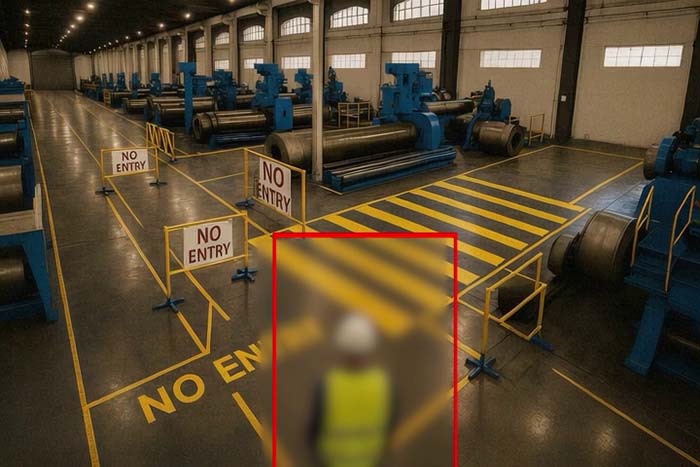
- Unsafe behaviors – Improper lifting techniques, working at heights without fall protection, entering restricted zones
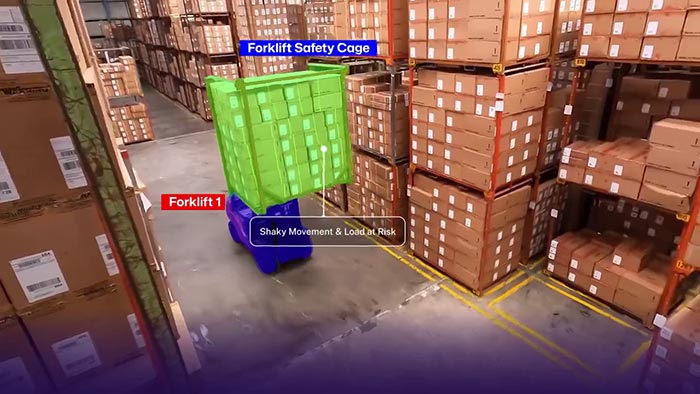
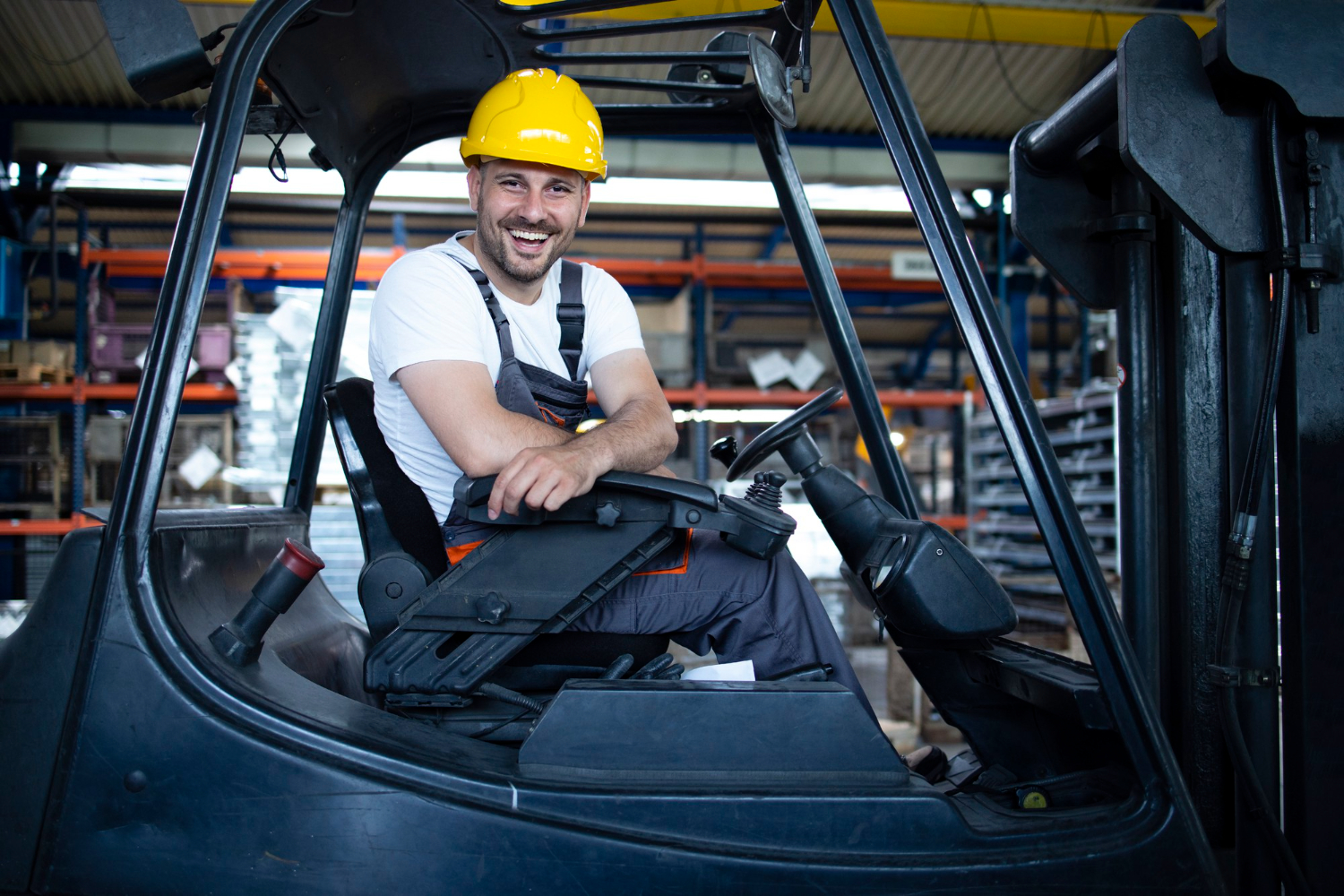
- Equipment hazards – Forklifts operating too close to pedestrians, machinery operating unsafely
- Environmental dangers – Spills creating slip risks, blocked emergency exits, inadequate lighting
- Ergonomic issues – Repetitive motions, awkward postures, prolonged static positions that lead to musculoskeletal injuries
- Near-miss incidents – Close calls that didn’t result in injury this time but reveal system weaknesses
The goal is straightforward but profound: prevent injuries before they happen, not just document them after the fact.
Why Workplace Safety Needs AI Monitoring in 2026
The workplace safety landscape has reached a critical inflection point. Manual safety processes simply can’t keep pace with modern workplace complexity and the speed at which hazards can escalate.
The Human Cost of Delayed Detection
When safety teams rely on periodic walkthroughs and manual checklists, they capture snapshots – not the continuous reality of how work actually happens. Hazards appear and disappear between safety audits.
Workers take shortcuts when they think no one’s watching. Equipment malfunctions develop gradually until they suddenly fail catastrophically.
By the time traditional safety processes catch these issues, injuries have often already occurred. AI monitoring fills this gap by providing continuous visibility into real-time conditions across your entire facility.
The Challenge of Scale
Large facilities with hundreds or thousands of workers spread across multiple buildings, shifts, and locations create impossible monitoring demands for human safety teams. Even the most dedicated safety professionals can’t be everywhere at once.
AI security monitoring software scales infinitely. Whether you’re monitoring one building or fifty sites across multiple countries, the AI watches every camera feed simultaneously, never missing a beat.
The Shortage of Safety Expertise
Organizations struggle to hire and retain experienced safety professionals. Seven in ten organizations report difficulty finding the right capabilities, especially as safety programs need to integrate with emerging technologies.
AI doesn’t replace safety professionals – it augments them, handling the routine monitoring tasks and flagging issues that need human expertise, allowing your safety team to focus where they add the most value.
How AI Security Monitoring Prevents Workplace Injuries
Understanding how these systems actually prevent injuries helps clarify their value:
1. Real-Time Hazard Detection and Immediate Alerts
The moment an AI system detects a safety violation or dangerous condition, it triggers immediate alerts. A worker enters a restricted area without proper PPE? The safety team gets notified within seconds. A forklift is approaching a blind corner where pedestrians frequently walk? Both the operator and nearby workers receive warnings.
This real-time response prevents injuries that would occur in the critical seconds or minutes before human safety teams could react through traditional processes.
2. Behavioral Pattern Recognition
AI systems don’t just detect individual violations – they recognize patterns indicating systemic problems. If workers consistently remove safety gear in a particular area, that signals either inadequate training, uncomfortable PPE, or poorly designed work processes. If near-misses cluster around certain equipment or times of day, that reveals underlying hazards that need addressing.
These insights enable proactive improvements before patterns escalate into serious injuries.
3. Fatigue and Stress Monitoring
Advanced AI platforms can detect signs of worker fatigue, stress, or distraction – subtle behavioral changes that increase injury risk. Someone working more slowly, making uncharacteristic movements, or showing signs of exhaustion gets flagged for intervention before fatigue-related accidents occur.
4. Continuous Compliance Verification
Rather than periodic spot-checks, AI provides 24/7 compliance monitoring. Safety standards aren’t just enforced during supervisor walkthroughs—they’re maintained continuously, creating accountability and reinforcing safety culture.
5. Automated Documentation for Root Cause Analysis
When incidents or near-misses do occur, AI systems provide detailed video documentation showing exactly what happened, when, and why. This enables thorough root cause analysis and prevents similar incidents in the future.
8 Best AI Security Monitoring Software for Workplace Safety
1. Observia Vision AI Safety Platform
Observia was built from the ground up for organizations that care deeply about their people and need workplace safety monitoring they can trust completely.
We understand that when you’re implementing AI monitoring, you’re not just deploying technology – you’re making a commitment to your team’s safety and well-being.
That’s why Observia prioritizes on-premises deployment giving you complete control over sensitive workplace data, human-centered design that workers trust rather than fear, and practical safety improvements that reduce real injuries, not just generate reports.
Key Capabilities:
- Real-time computer vision detecting unsafe conditions before incidents occur
- On-premises deployment ensuring complete data privacy and worker dignity
- Integration with existing camera infrastructure—no massive hardware overhaul required
- Behavioral analytics identifying patterns that signal systemic safety issues
- Multi-site scalability with centralized management for enterprise organizations
- Customizable alert thresholds adapted to your specific operations and risk profile
Learn More: See how Observia transforms workplace safety
2. Intenseye AI-Powered Safety Compliance Platform
Intenseye leverages existing CCTV infrastructure to provide comprehensive safety monitoring without expensive hardware replacement.
The platform excels at detecting PPE violations, unsafe conditions, and near-miss incidents across industrial facilities, with particular strength in manufacturing and warehousing environments.
Key Capabilities:
- Real-time PPE detection (helmets, gloves, vests, safety glasses)
- Incident reporting dashboard with compliance analytics
- Works with existing cameras—no new hardware required
- GDPR-compliant privacy protection with data anonymization
- Integration with major EHS management platforms
3. Protex AI Workplace Safety Solution
Protex AI specializes in predictive safety intelligence, analyzing unsafe behaviors and near-misses to prevent escalation into serious accidents.
Their platform has helped clients achieve 25% reductions in workplace incidents through proactive risk identification and behavioral intervention.
Key Capabilities:
- Computer vision detecting proximity risks between workers, vehicles, and equipment
- Behavioral analysis identifying patterns indicating increased injury risk
- Immediate alerts when unsafe conditions are detected
- Analytics dashboard showing risk trends and improvement opportunities
- Customizable safety zones and alert parameters
4. viAct AI Video Analytics for Construction Safety
viAct offers scenario-based AI specifically trained on real-world construction and industrial safety incidents, not generic datasets.
With over 100+ pre-trained AI modules built from actual industry incidents, viAct detects complex safety risks that general-purpose AI systems miss.
Key Capabilities:
- Scenario-based detection trained for high-risk industrial environments
- Comprehensive monitoring across construction, manufacturing, and logistics
- Privacy-first approach with face masking and encryption
- Plug-and-play integration with existing CCTV systems
- Proven across 300+ global projects
5. Visionify AI-Powered Workplace Safety Platform
Visionify transforms existing cameras into intelligent safety monitors in minutes, with on-premises processing ensuring data never leaves your facility.
Their approach prioritizes data privacy and security, with all video processing happening locally rather than in the cloud.
Key Capabilities:
- Comprehensive PPE detection across all safety equipment types
- Slip, trip, and fall prevention through proactive monitoring
- Confined space monitoring for safe entry and exit protocols
- Forklift operation monitoring ensuring proper procedures
- Restricted area access control with real-time alerts
6. Surveily EHS AI Suite
Surveily integrates real-time hazard detection with comprehensive EHS management tools, creating a unified platform for safety monitoring and compliance.
Their clients report impressive results – one chemical facility achieved 75% incident reduction after implementing Surveily’s AI monitoring.
Key Capabilities:
- Multi-hazard detection across safety, security, and environmental risks
- EHS analytics with automated compliance reporting
- Integration with smart devices, sensors, and IoT systems
- Global operations management from unified dashboard
- Secure processing with data anonymization
7. Smartvid.io AI Construction Safety Analytics
Smartvid.io focuses exclusively on construction safety, analyzing job-site photos and videos to detect hazards, risky behaviors, and safety violations before they cause injuries.
Their construction-specific expertise means highly accurate detection tailored to the unique challenges of dynamic construction environments.
Key Capabilities:
- AI analysis of job-site images and videos for hazard identification
- Risk scoring showing which sites or areas need immediate attention
- Automated safety violation detection across common construction hazards
- Integration with project management and safety reporting systems
- Trend analysis identifying systemic safety issues across projects
8. Modjoul SmartBelt Wearable Safety System
Modjoul takes a different approach—wearable technology rather than camera-based monitoring, using sensors to detect improper lifting, unsafe posture, and worker fatigue.
This wearable approach provides insights cameras can’t capture, like the biomechanical forces workers experience during lifting and material handling.
Key Capabilities:
- Wearable sensors detecting improper lifting technique in real-time
- Posture monitoring identifying ergonomic risk factors
- Fatigue detection alerting supervisors to workers needing breaks
- Individual coaching data helping workers improve safety behaviors
- Aggregate analytics revealing systemic ergonomic issues
Comparison: AI Security Monitoring Software for Workplace Safety
AI Security Monitoring Software for Workplace Safety
Comprehensive Platform Comparison 2026
| Platform | Primary Focus | Deployment | Privacy Approach | Industries | Best Feature |
|---|---|---|---|---|---|
| Observia | Comprehensive safety monitoring | On-premises | Complete data control | Multi-industry | Worker-trusted prevention |
| Intenseye | PPE compliance & violations | Cloud/Hybrid | GDPR-compliant | Manufacturing, Warehousing | Existing camera leverage |
| Protex AI | Behavioral risk prevention | Cloud | Privacy-focused | Logistics, Retail | Predictive analytics |
| viAct | Construction-specific safety | Cloud/Edge | Face masking | Construction, Industrial | Scenario-based detection |
| Visionify | PPE & hazard detection | On-premises | Local processing | Manufacturing, Warehousing | Simple deployment |
| Surveily | EHS management integration | Cloud/Hybrid | Anonymization | Chemical, Oil & Gas | Comprehensive platform |
| Smartvid.io | Construction photo/video analysis | Cloud | Standard privacy | Construction | Project-wide analytics |
| Modjoul | Ergonomic monitoring | Wearable | Personal data focus | Warehousing, Distribution | Biomechanical insights |
How to Choose the Right AI Safety Monitoring Solution
Selecting the best platform for your organization requires careful consideration of several factors:
Understand Your Primary Safety Risks
Different industries face different hazards. Construction sites worry about falls from heights and struck-by incidents. Warehouses focus on forklift-pedestrian interactions and ergonomic injuries. Manufacturing facilities prioritize machine guarding and PPE compliance.
Choose platforms with proven expertise detecting your specific high-risk scenarios rather than generic solutions trying to do everything.
Evaluate Data Privacy and Worker Trust
How workers perceive safety monitoring dramatically impacts its effectiveness. Systems that feel like surveillance damage morale and safety culture. Solutions prioritizing privacy, transparency, and worker dignity generate buy-in and actually improve safety outcomes.
Ask potential vendors: How is worker data protected? Who has access to footage? Is data anonymized? Can workers understand how the system benefits them?
Consider Deployment Model and Infrastructure
Do you have strict data privacy requirements necessitating on-premises deployment? Or would cloud-based solutions with faster implementation work better? Do you have existing cameras that can be leveraged, or do you need complete system replacement?
The right answer depends on your specific situation—don’t let vendors push one-size-fits-all approaches.
Assess Integration Needs
How will AI safety monitoring integrate with existing EHS management systems, incident reporting tools, and operational workflows? Standalone systems create data silos and extra administrative burden.
Look for platforms offering APIs and pre-built integrations with the safety tools you already use.
Examine the Human Element
Technology alone doesn’t create safe workplaces—it’s how humans use that technology that matters. What training and change management support does the vendor provide? How do they help you build worker trust and engagement?
The best vendors partner with you on the cultural aspects of safety transformation, not just the technical implementation.
Calculate Total Cost and ROI
Consider not just software licensing but implementation costs, ongoing support, training, and change management investment. Then evaluate ROI based on injury rate reductions, workers’ compensation savings, improved productivity, and reduced regulatory penalties.
Most organizations see positive ROI within 12-18 months through prevented injuries alone, before considering operational efficiency gains.
Moving Forward: Creating Safer Workplaces Together
No one goes to work hoping to get injured. Behind every workplace injury statistic is a person who deserves better – and an organization that can do better.
AI security monitoring software isn’t about replacing human safety professionals or creating surveillance culture. It’s about giving dedicated safety teams the tools they need to truly protect the people counting on them. It’s about moving from hoping nothing goes wrong to knowing you’ll catch it if something starts going wrong.
The technology has matured. The ROI is proven. The only question is whether your organization will be among those leading the way toward genuinely safer workplaces, or among those waiting until competitive pressure or tragic incidents force change.
Your people deserve workplaces where they’re protected by the best technology available. Not someday – today.
If you’re ready to explore how AI monitoring can transform safety in your facility, Observia is here to help. We understand the challenges you face because we’ve worked alongside safety teams in manufacturing plants, warehouses, construction sites, and logistics operations. We know that implementing new technology isn’t just about technical capabilities – it’s about building trust, demonstrating value, and creating genuine safety improvements that workers and management both appreciate.
See Observia in Action | Talk to Our Safety Team
Let’s work together to build the safer workplaces your people deserve.