
 Observia Editorial Team
You know workplace safety is important. Your team understands the basics.
But do you have the right safety programs in place to actually prevent incidents, avoid costly citations, and protect your bottom line?
This guide goes beyond the basics. We’ll walk you through 17 essential safety programs that mature organizations implement to move from reactive incident response to proactive hazard prevention.
By the end, you’ll understand not just what these programs are, but why they matter for your operation and how to evaluate if your current approach is truly sufficient.
Recommended Read – PPE Compliance Monitoring: Your Complete Guide to Keeping Your Team Safe
Why Your Current Safety Program Might Be Incomplete
Many companies think they have workplace safety covered. They’ve got basic training, some signage, and maybe a safety committee. But gaps in your safety architecture create exposure, financial, legal, and human.
Consider these facts: Falls from height, electrocution, machine-related incidents, and struck-by accidents account for thousands of workplace fatalities annually.
Most of these are preventable with proper programs.
Organizations with well interconnected safety programs see fewer lost-time incidents than those with ad-hoc approaches.
The question isn’t whether you can afford to implement these programs. It’s whether you can afford not to.
Recommended Read – Incident vs Accident: Understanding the Key Differences in Workplace Safety
The 17 Essential Safety Programs Every Mature Organization Needs
1. Lock Out Tag Out (LOTO): Your First Line of Defense Against Energy
LOTO isn’t just a procedure, it’s a systematic approach to preventing the unexpected startup of machinery during maintenance.
Here’s why it matters: according to sources over 3 million workers use LOTO procedures in the US alone, and failures lead to huge numbers of fatalities annually.
A mature LOTO program includes energy isolation training for maintenance teams, documented procedures for each piece of equipment, regular audits, and competency verification.
When properly implemented, LOTO is one of the most effective hazard controls available. But implementation is more nuanced than most companies realize. Are your procedures equipment-specific or generic? Do you audit compliance? How do you handle shift changes?
2. Machine Guarding: Preventing the Injuries That Haunt You
Amputation. Laceration. Crushing injuries. These machine-related incidents often define a worker’s life, and your company’s safety record. Machine guarding programs protect workers from rotating shafts, blades, press points, and moving parts.
The deeper question: is your machine guarding program reactive or proactive? Many companies add guards after incidents occur. Mature organizations assess hazards during equipment selection, implement engineering controls first, then supplement with PPE as a last resort. This layered approach (what safety professionals call the hierarchy of controls) significantly reduces both incident severity and frequency.
3. Hazard Communication: The Foundation of Informed Decision-Making
Chemical exposure doesn’t always announce itself.
Hazard communication programs ensure every worker understands what they’re exposed to and how to protect themselves. This includes accessible Safety Data Sheets (SDS), properly labeled containers, and a well outlined training.
But here’s where many programs fall short: they treat hazcom as a compliance checkbox rather than a communication system.
Do your employees actually understand the hazards, or do they just know where the SDS binder is? Can they access critical information in their preferred language? Is training refreshed when products change? These distinctions separate adequate programs from excellent ones.
4. Personal Protective Equipment (PPE): The Last Line of Defense
PPE gets misunderstood. Many organizations treat it as the primary control, when it should be the last resort. That said, when engineering controls aren’t feasible, proper PPE saves lives.
A good PPE compliance program includes hazard assessment (what PPE is actually needed?), selection based on those assessments, fit-testing for respiratory protection, training on proper use and care, and maintenance of equipment. Consider: Do you know why each piece of PPE is required, or did you inherit requirements from previous management? Are employees trained on signs of degradation? Is fit-testing current for all respiratory users?
5. Respiratory Protection: Managing Invisible Threats
Air quality hazards, dust, fumes, vapors, biological agents, are invisible but devastating. Respiratory protection programs are among OSHA’s most detailed regulations for good reason: improper respiratory protection can cause serious harm.
A mature program includes medical clearance before employees wear respirators, fit-testing specific to each individual and equipment, training, proper equipment maintenance and storage, and documented compliance verification.
Implementation requires ongoing rigor; fit-testing must be renewed annually or when significant facial changes occur. Respiratory protection crosses into occupational health, it’s not something to oversimplify.
6. Electrical Safety: Respecting the Hazard’s Severity
Electrocution accounts for roughly 1,000 deaths annually in the US. The severity makes electrical safety non-negotiable. Programs cover safe work practices around energized equipment, arc flash assessment and protection, proper grounding, lockout/tagout integration, and comprehensive training.
The sophistication level varies significantly. Basic electrical safety covers “don’t touch live wires.” Advanced programs include arc flash studies, personal protective equipment rated for specific hazards, and engineering controls that reduce exposure in the first place. Where does your organization fall on this spectrum?
7. Fire Prevention and Fire Extinguisher Training: Preparedness Saves Lives
Fire safety programs work at two levels: preventing fires through hazard management and responding quickly when fires occur. This includes fire extinguisher training so employees know how to respond in those critical first moments.
Mature fire safety programs go beyond “pull, aim, squeeze, sweep.” They include regular fire drills, equipment inspections, analysis of ignition sources, and planning for different scenarios.
Does your organization drill fire evacuation procedures? Are extinguishers inspected monthly and documented? Is your emergency action plan integrated with local fire department response procedures?
8. Emergency Action Plan: Your Response Framework for the Unexpected
Every workplace faces potential emergencies: fires, medical incidents, severe weather, active threats, or operational crises. An emergency action plan documents how your organization responds, who does what, and how communication flows.
The difference between adequate and excellent: Do you drill these procedures regularly? Are all employees familiar with assembly points and procedures, or just supervisors? Have you tested communication systems?
An emergency action plan sitting in a binder isn’t useful; a plan that’s practiced, refined, and embedded in employee knowledge actually saves lives when needed.
9. First Aid and CPR: The Immediate Response Capability
Having trained first aid and CPR responders on-site genuinely saves lives. The statistics are clear: early CPR and defibrillation dramatically improve survival rates for cardiac events.
Implementation requires more than certification. You need adequate coverage across shifts, regular refresher training (skills fade quickly), maintained equipment and supplies, and coordination with local emergency services. Consider: How many trained responders do you have per shift? When were they last certified? Are defibrillators readily accessible and maintained?
10. Ergonomics Program: Preventing the Injuries That Accumulate
Unlike acute injuries, ergonomic injuries accumulate. Repetitive strain, poor posture, and inadequate workstation setup cause long-term musculoskeletal disorders that affect workers’ careers and quality of life.
A mature ergonomics program includes baseline workstation assessment, employee training on proper body mechanics, analysis of tasks that create strain, implementation of engineering controls (adjustable desks, assist devices), and continuous improvement based on employee feedback. Many organizations treat ergonomics as “stretching exercises” when the real work happens through workstation redesign and task analysis.
11. Contractor Safety: Managing External Risks
When contractors work on your site, their safety becomes your responsibility—and your liability. Contractor safety programs pre-qualify contractors, verify competency, conduct safety briefings, and ensure they follow your safety standards.
The depth matters. Do you verify contractor insurance and OSHA history? Do you conduct site-specific orientations? Are contractors included in your incident investigation process? Contractor incidents often reveal gaps in your own safety culture and procedures.
12. Ladder Safety: Controlling the Most Common Fall Hazard
Falls from ladders cause serious injuries that could be prevented. Ladder safety programs cover ladder selection and inspection, training on proper use, and environmental controls (securing ladder bases, maintaining three-point contact).
Implementation often reveals surprising gaps. Are ladders regularly inspected for cracks, bent rails, or damaged rungs? Are employees trained to set ladders at the proper angle (75 degrees, or 1 foot out for every 4 feet up)? Are broken ladders immediately removed from service? These details separate effective programs from those that exist primarily on paper.
13. Incident Investigation and Recordkeeping: Learning From What Goes Wrong
Incident investigation and recordkeeping serve dual purposes: they satisfy OSHA compliance requirements AND they drive continuous improvement. When done well, investigations identify root causes and prevent recurrence.
But many investigations are superficial. They identify immediate causes (worker error) without exploring system failures (training gaps, design issues, management shortcomings).
Mature organizations investigate all incidents, not just those resulting in injuries, to identify hazards before they cause harm. Recordkeeping systems should track trends, highlight high-risk areas, and drive resource allocation.
14. Bloodborne Pathogens: Protecting Against Biological Hazards
For healthcare workers, first responders, and others with potential blood exposure, bloodborne pathogen programs are mandatory and critical. These programs include exposure control plans, universal precautions training, vaccination records, and post-exposure procedures.
Implementation requires clear protocols. Are employees trained on exposure risks? Is vaccination status tracked? Are post-exposure incidents reported and managed properly? Bloodborne pathogen protection intersects with occupational health and employee wellness.
15. Aerial Work Platforms: Managing Height and Equipment Hazards
Workers using lifts, boom lifts, and scissor lifts face two hazards: height and equipment stability. Aerial work platform programs cover operator training and certification, pre-use equipment inspections, fall protection systems, and safe work procedures.
The implementation consideration: Are operators trained and certified for the specific equipment they use? Are pre-use inspections documented? Are employees trained on safe positioning and load limits? These details prevent both falls and equipment-related incidents.
16. Industrial Trucks (Forklifts): Controlling Equipment-Related Fatalities
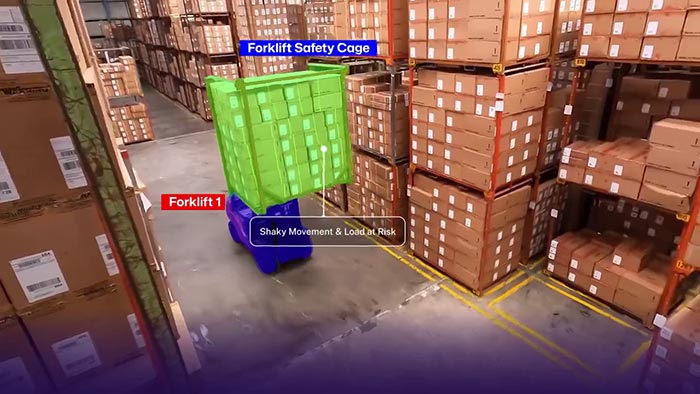
Forklift operators need specialized training. Industrial truck programs require documented operator certification, regular pre-operation inspections, maintenance, and clear traffic management procedures.
Here’s what separates adequate from excellent: Are operators certified on the specific types of equipment your organization uses? Are refresher trainings conducted on a schedule? Are near-misses documented and investigated? Are pedestrian and forklift traffic patterns clearly defined and enforced?
17. Stop Work Authority: Empowering Every Employee
Stop work authority programs empower any employee to halt operations when they observe hazardous conditions—without fear of retaliation. This simple but powerful cultural element removes barriers to hazard reporting.
The implementation challenge: Does your organization genuinely support stop work authority, or do supervisors subtly discourage it? Are employees trained to use it? Are stopped work situations investigated to understand what hazards were identified? Organizations with strong stop work cultures experience measurably fewer incidents.
Moving From Compliance to Excellence
Here’s the critical realization: these 17 programs aren’t separate initiatives.
They’re interconnected components of a comprehensive safety system. LOTO connects to electrical safety. Incident investigation connects to training. Contractor safety connects to hazard communication.
Organizations that treat safety as a system, where programs reinforce each other and are continuously improved, see dramatically better results than those treating safety as isolated compliance activities.
The Assessment Question: Where Does Your Organization Stand?
As you review these programs, consider where your organization falls:
Reactive: You respond to incidents and add controls afterward.
Compliant: You have documented programs that meet regulatory minimums.
Proactive: You identify hazards before incidents occur and continuously improve.
Excellent: Your safety system is integrated, your culture prioritizes safety, and prevention drives decision-making.
Most mature organizations operate in the “proactive” range, continuously working toward “excellent.”
Next Steps: Evaluating Your Program Gaps
Rather than implementing all 17 programs simultaneously (which creates overwhelm), audit your current state:
- Which programs do you have documented?
- Which are genuinely implemented versus existing only on paper?
- Which programs are integrated with each other?
- Where do employees, supervisors, and management align on safety priorities?
- Which programs have shown measurable improvement in hazard reduction?
Start with your highest-risk operations and build from there. Fill the most critical gaps first. Then systematically strengthen and integrate the remaining programs.
The organizations winning on safety aren’t those that check compliance boxes. They’re the ones that recognize these 17 programs as investments in employee protection, operational reliability, and long-term success.
What’s your next step? Conduct an honest assessment of your safety program maturity with Observia.ai’s team. Identify your highest-risk gaps. Then commit to closing them systematically. Your employees’ wellbeing, and your organization’s future, depends on it.