
 Observia Editorial Team
Walking into work shouldn’t feel like walking into danger.
Yet every day, countless employees face unsafe work conditions that put their health, safety, and sometimes even their lives at risk.
Whether it’s a construction site without proper fall protection, an office with blocked emergency exits, or a restaurant kitchen with faulty equipment, workplace hazards come in many forms and knowing how to identify and address them is crucial for every worker.
Recommended Read: 9 Hidden Safety Risks That Sabotage Warehouse Operations (And How AI Solves Them)
What Is Considered Unsafe Work Conditions?
Unsafe work conditions encompass any workplace hazard that poses a risk to employee health or safety. These aren’t just dramatic scenarios like collapsing scaffolding or chemical spills.
Sometimes the most dangerous conditions are the ones that seem minor but accumulate over time, creating an environment where accidents become inevitable rather than exceptional.
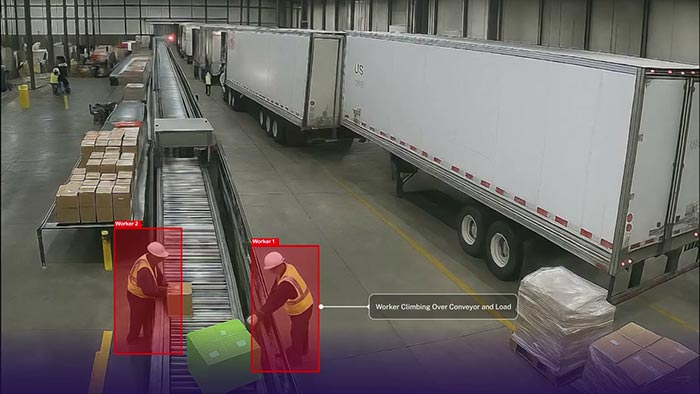
The reality is that unsafe work conditions exist across every industry. A data entry clerk dealing with faulty electrical outlets faces just as real a danger as a warehouse worker navigating poorly stacked inventory.
The key distinction is that these conditions are preventable, they result from an employer’s failure to maintain safety standards, provide proper training, or address known hazards.
Common Examples of Unsafe Work Conditions
Understanding what constitutes a hazardous workplace starts with recognizing the patterns. Unsafe work conditions examples include inadequate lighting that makes it difficult to see potential hazards, especially in warehouses or manufacturing facilities.
Exposed electrical wiring, malfunctioning machinery without proper guards, and slippery floors without warning signs are all textbook examples that appear in workplaces far too often.
Temperature extremes represent another frequently overlooked category. Workers in freezers without proper protective gear or outdoor laborers without access to shade and water during heat waves face serious health risks.
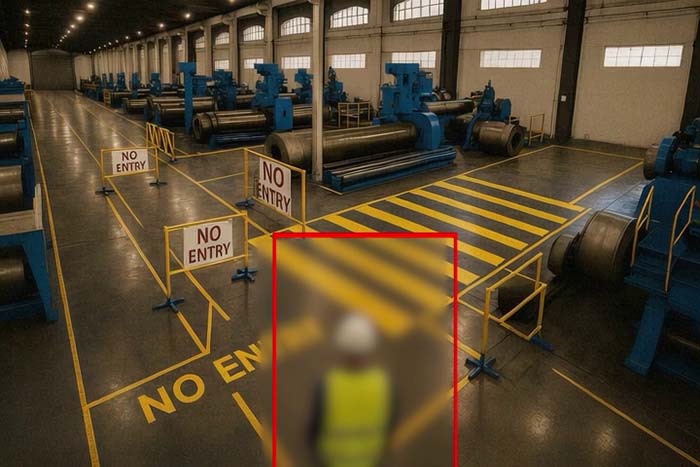
Poor ventilation leading to toxic fume build-up, blocked fire exits that violate building codes, and the absence of personal protective equipment when handling dangerous materials all fall under this umbrella.
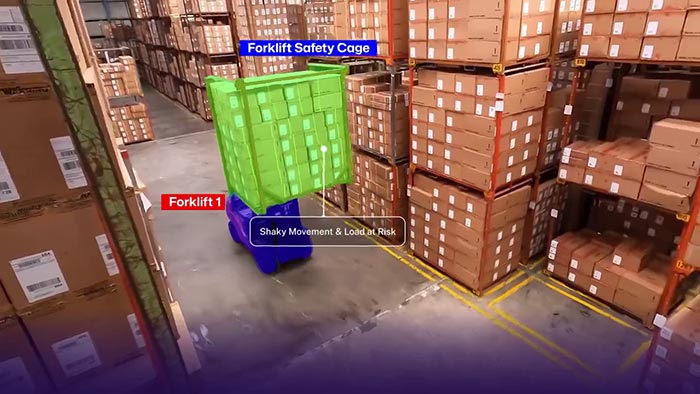
Then there are the structural issues: cracked flooring that creates trip hazards, unstable shelving units, and inadequate fall protection on elevated work surfaces.
Outside of large scale operations, for example considering In office settings, ergonomic hazards like improper workstation setup might seem minor but can lead to chronic injuries over time.
The thread connecting all these examples is that they’re foreseeable risks that employers have a legal obligation to address.
How to Deal with Unsafe Work Conditions
Confronting workplace safety issues requires a balanced approach that protects both your wellbeing and your employment. The first step is documentation.
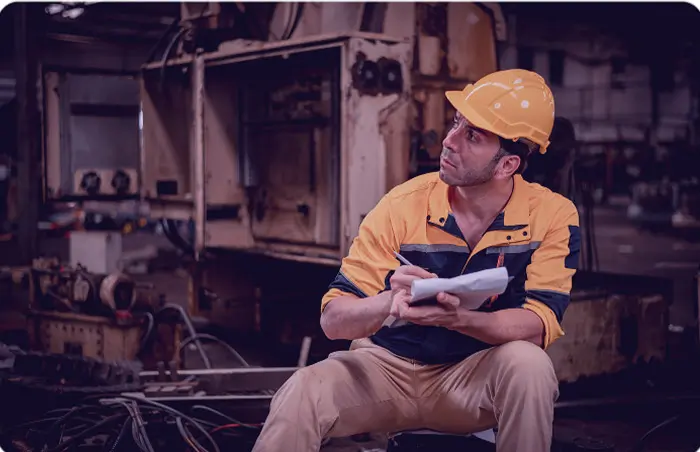
Before raising concerns, take detailed notes about the specific hazards you’ve observed, including dates, times, locations, and any incidents or near-misses that have occurred. Photographs can be valuable evidence, though be mindful of company policies regarding cameras in the workplace.
Start by reporting issues through your company’s internal channels. Many organizations have safety committees, human resources departments, or designated safety officers specifically tasked with addressing these concerns.
Present your observations clearly and factually, avoiding accusatory language while emphasizing the genuine safety risks involved. In many cases, employers are simply unaware of certain hazards and will take corrective action once informed.
If internal reporting doesn’t yield results, or if you face retaliation for raising safety concerns, it’s time to escalate.
This is where understanding your rights becomes essential. Federal and state laws protect workers who report safety violations, and there are specific procedures designed to address these situations when employers fail to act.
How to Report Unsafe Work Conditions to Authorities
When workplace hazards persist despite internal complaints, external reporting becomes necessary. The Occupational Safety and Health Administration (OSHA) is the primary federal agency responsible for workplace safety enforcement. You can file a complaint with OSHA online, by phone, or by mail, and you have the right to request anonymity if you’re concerned about retaliation.
To report unsafe conditions at work effectively, provide as much detail as possible: the specific location of the hazard, the nature of the danger, how long it has existed, and whether anyone has been injured.
Include information about any internal complaints you’ve already made and the employer’s response or lack thereof. OSHA takes these reports seriously and may conduct an inspection, though they prioritize complaints involving imminent danger or serious violations.
State-level OSHA programs operate in some states, offering additional reporting options. Some states have their own workplace safety agencies with specific jurisdiction over certain industries. Labor unions, if your workplace has one, can also be powerful allies in addressing safety concerns and know exactly where to report unsafe work conditions within their networks.
Recommended Read: The Ultimate Guide to OSHA Violations: Don’t Let Safety Standards Trip You Up (Literally)
For issues like workplace violence, discrimination related to safety complaints, or wage theft connected to safety equipment costs, other agencies like the Equal Employment Opportunity Commission (EEOC) or your state’s labor department may be appropriate reporting destinations. The key is matching the specific violation to the right enforcement body.
Legal Recourse: Understanding Unsafe Work Conditions Lawsuits
The question “can you sue your job for unsafe work conditions” doesn’t have a simple yes or no answer.
Workers’ compensation systems in most states limit your ability to sue your employer directly for workplace injuries, even those resulting from unsafe conditions. However, this isn’t the end of the story.
An unsafe work conditions lawsuit might be possible in several scenarios. If you’ve suffered retaliation for reporting safety violations, such as termination, demotion, or harassment, you may have grounds for a wrongful termination or retaliation claim.
If a third party (not your employer) contributed to the unsafe condition, such as a negligent contractor or equipment manufacturer, you might sue them while still receiving workers’ compensation benefits.
In cases involving intentional harm, gross negligence, or employers who deliberately create dangerous conditions, some states allow exemptions to workers’ compensation exclusivity.
These cases are complex and typically require demonstrating that the employer knew about the danger and deliberately chose to ignore it, essentially acting with more than simple negligence.
Consulting with an employment attorney or personal injury lawyer who specializes in workplace safety can help you understand your specific options. Many offer free consultations and can evaluate whether your situation warrants legal action beyond a workers’ compensation claim.
Your Right to a Safe Workplace with Observia.ai
Every worker deserves to return home safely at the end of their shift. Unsafe work conditions aren’t just unfortunate circumstances, they’re often violations of legal standards that exist precisely to protect you. Whether you’re dealing with obvious dangers or subtle hazards that accumulate over time, you have both the right and the responsibility to speak up.
The path forward might feel uncertain, especially if you’re worried about job security or skeptical that reporting will change anything. But remember that safety laws exist because workers before you fought for these protections.
By documenting hazards, reporting through appropriate channels, and seeking legal guidance when necessary, you’re not just protecting yourself, you’re contributing to a safer workplace for everyone who comes after you.
Get in touch with Observia’s team today to help us create a safer workplace for you and your team.