 Observia Editorial Team
Computer vision in manufacturing catches what humans miss: a forklift speeding around a blind corner, a worker stepping into a restricted zone without a hard hat, a chemical spill spreading across the floor while everyone’s focused on the production line.
In most factories, these moments pass unnoticed… until they don’t.
Here’s the thing about traditional safety: it’s always looking backward. Incident reports. Root cause analysis. Corrective actions. All reactive. All too late.
But what if your existing cameras could actually see these risks as they happen? Not record them for later review – catch them in the moment, when you can still do something about it.
That’s what computer vision in manufacturing does. It turns passive surveillance into active safety intelligence.
Why Factory Safety Fails Without Computer Vision
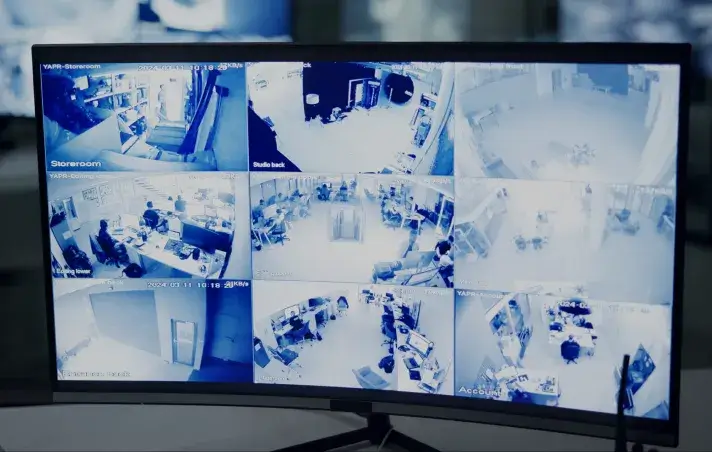
Walk into any manufacturing facility and you’ll see the same setup: cameras everywhere, watching everything, recording constantly. Yet somehow, near-misses still slip through. PPE violations go unnoticed. Dangerous behaviors repeat until someone gets hurt.
The problem isn’t your safety team. It’s physics.
One supervisor can’t watch 100+ camera feeds simultaneously. Human attention has limits – we blink, we get distracted, we focus on one thing and miss another. A forklift incident happens in 3 seconds. A slip-and-fall takes less than 2. By the time someone notices on a monitor, the moment’s already gone.
Traditional safety monitoring relies on three things:
- Scheduled inspections (periodic, not continuous)
- Manual observation (limited coverage, human error)
- Incident reporting (after the fact, always reactive)
Computer vision in manufacturing flips this model. Instead of hoping someone catches the problem, AI watches every frame, every camera, 24/7, spotting patterns and risks humans would miss.
How Computer Vision Works in Modern Manufacturing
Here’s the technical flow, simplified:
Step 1: Connect to existing CCTV feeds Most factory vision systems integrate via RTSP (Real-Time Streaming Protocol). No need to replace cameras – if they’re IP-based and networked, they’ll work. The system pulls video streams directly from your existing infrastructure.
Step 2: Edge processing analyzes video in real time Instead of sending everything to the cloud (slow, expensive, bandwidth-heavy), edge devices process video locally. Custom-trained AI models run on-premise, analyzing each frame for specific risks: forklifts too close to pedestrians, missing PPE, zone violations, environmental hazards.
Step 3: Smart detection filters noise from real risks Early computer vision systems had a problem: false positives. Alert fatigue killed adoption. Modern factory vision uses context-aware AI – it learns your facility’s normal operations and only flags genuine deviations. A forklift moving at normal speed in an empty aisle? Ignored. Same forklift speeding through a crowded zone? Instant alert.
Step 4: Alerts reach the right people instantly When the system detects a risk, it doesn’t just log it – it notifies relevant personnel immediately. Zone-based routing means warehouse supervisors get forklift alerts, EHS managers see PPE violations, and maintenance teams receive equipment hazard notifications.
Step 5: Historical data reveals patterns Beyond real-time monitoring, the system builds a safety intelligence database. Which shifts have the most violations? Which zones are highest risk? What behaviors precede incidents? This is where factory vision moves from reactive alerts to predictive insights.
Use Cases of Computer Vision in Manufacturing
Quality Inspection & Defect Detection
Computer vision excels at catching what human inspectors miss… especially the tiny stuff.
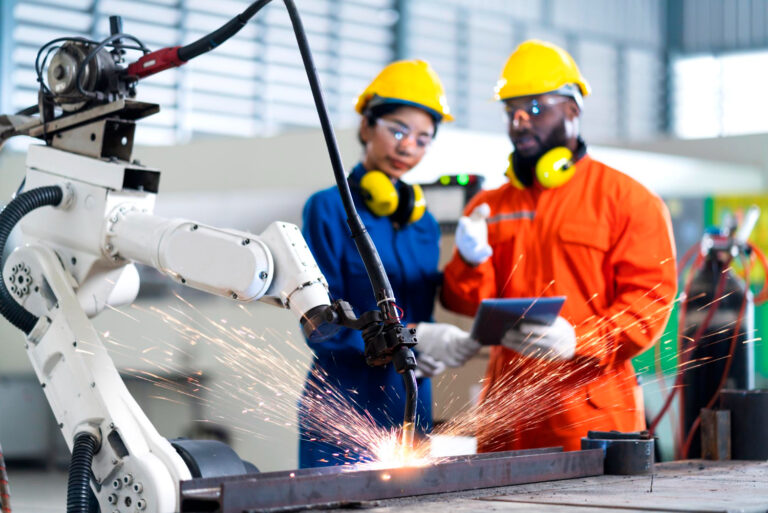
Detecting micro-defects that are invisible to the naked eye or too tedious to spot consistently. Scratches on painted surfaces. Hairline cracks in welds. Misaligned components that are off by millimeters. AI processes thousands of inspection points per minute with consistent accuracy.
Catching inconsistencies in packaging, labeling, and assembly. Wrong label on the right product. Missing components in assembled units. Packaging seals that didn’t close properly. These errors slip through manual inspection but get flagged automatically by vision systems.
Reducing waste and returns before defective products leave the facility.With computer vision catching defects directly on the production line, issues get resolved before they reach packaging or customers. That means fewer reworks, fewer returns, and a smoother flow of high-quality output – instead of discovering problems only after they’ve already left the factory.
Production Line Monitoring
Factory vision gives you real-time visibility into how your production line actually flows – not how it’s supposed to flow.
Monitoring assembly line flow means tracking every station, every handoff, every movement. The system watches how products move through each stage, identifying where things slow down or stop unexpectedly.
Identifying bottlenecks becomes data-driven instead of guesswork. Is Station 3 always backed up at 2 PM? Does the packaging line consistently lag behind assembly? Computer vision quantifies these patterns with precision.
Detecting anomalies in real time catches problems while you can still fix them. A component placed incorrectly. A tool left in the wrong position. A process step skipped. The AI spots deviations from normal operations and alerts supervisors immediately.
Safety & Compliance Automation
This is where computer vision in manufacturing delivers serious ROI – and where it saves lives.
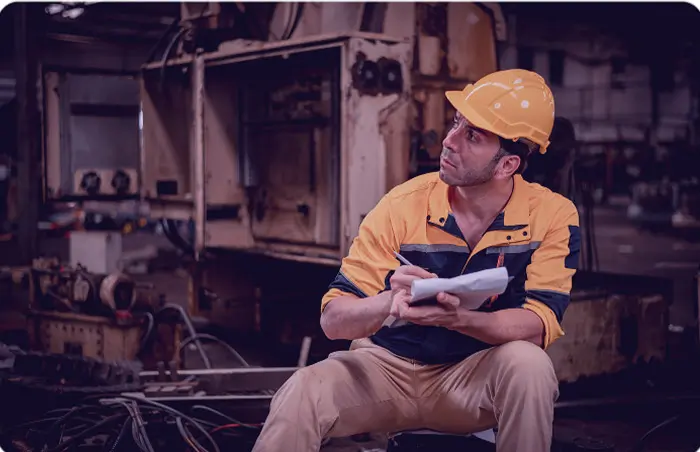
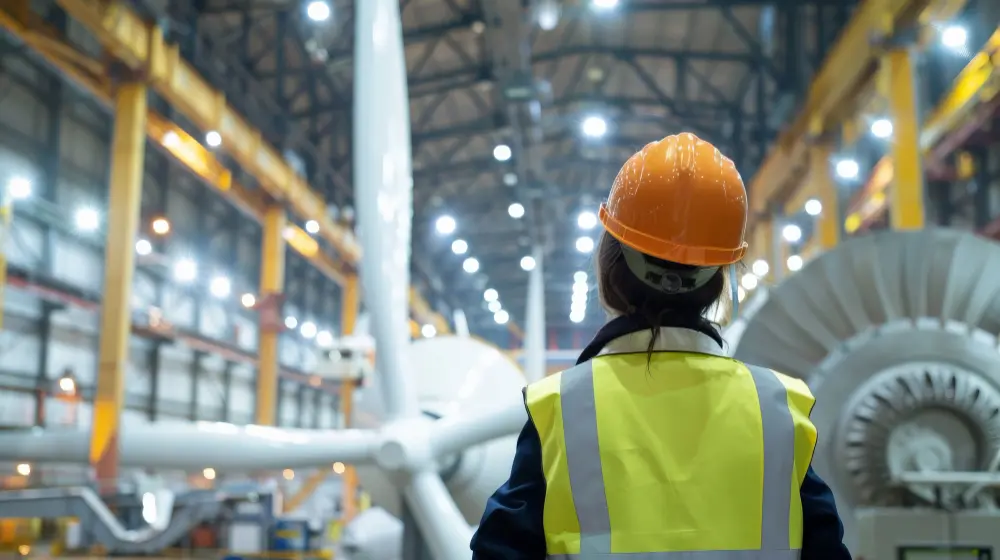
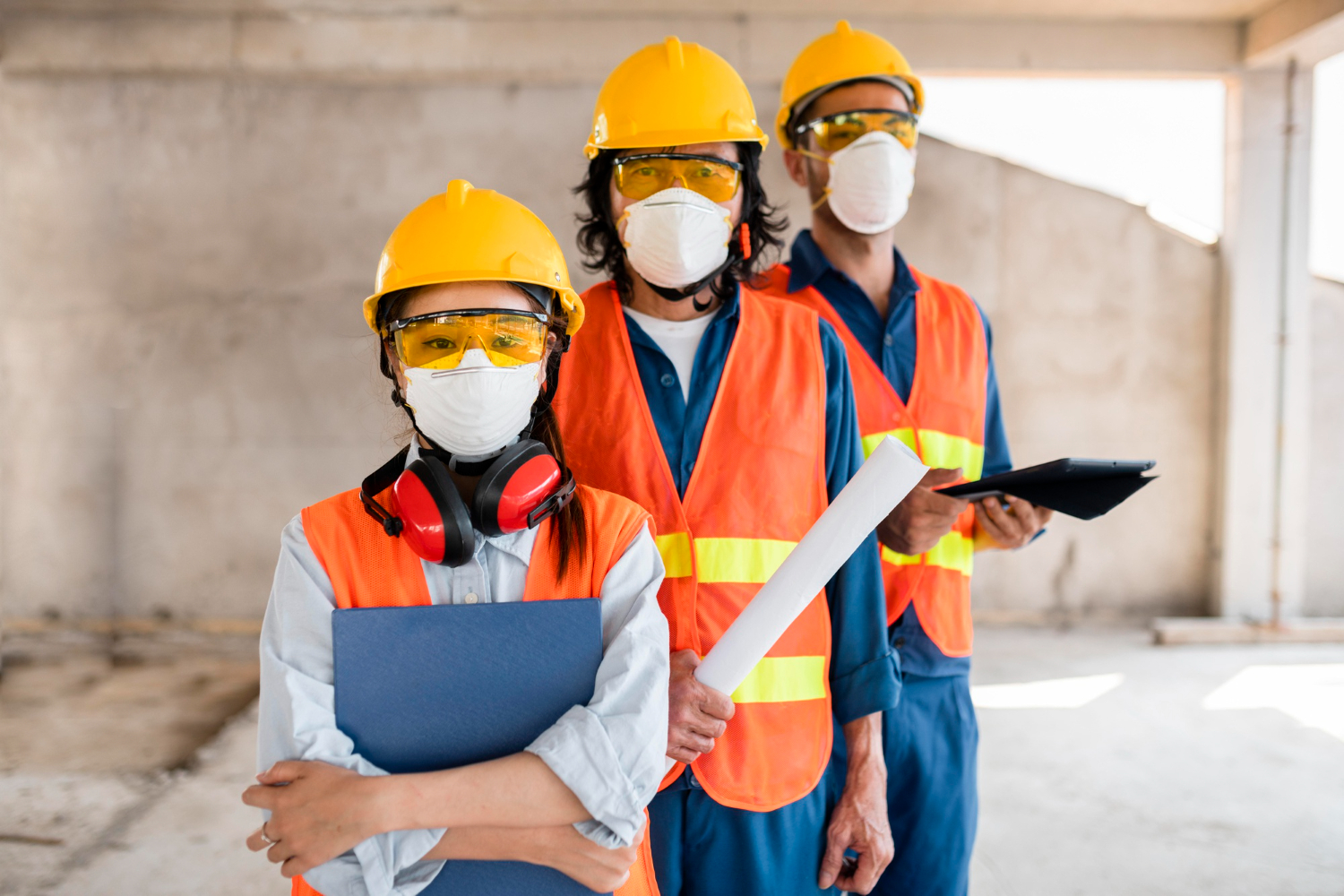
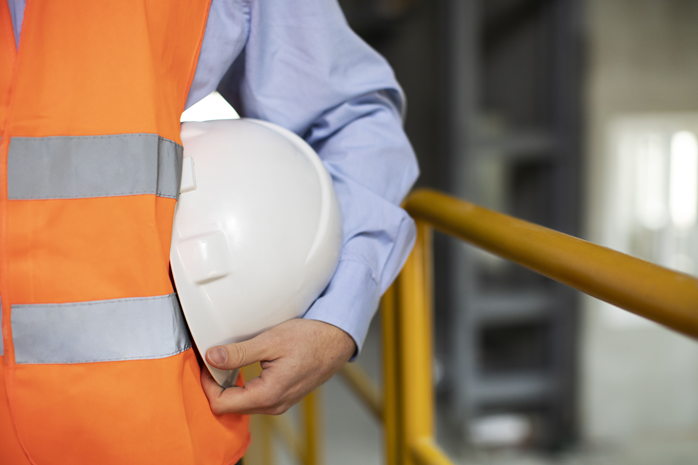
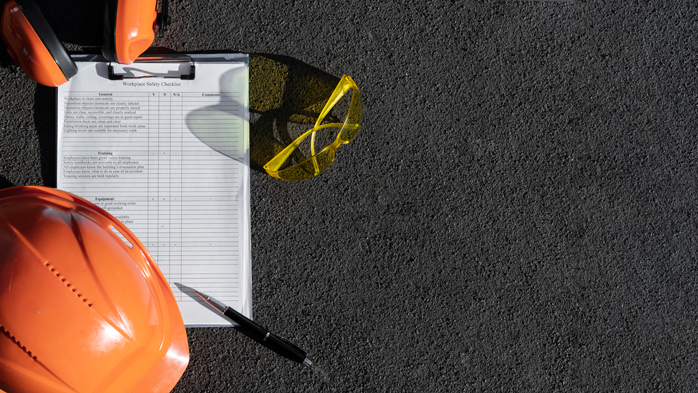
PPE monitoring verifies hard hats, safety vests, gloves, and protective footwear across every camera, every shift. No more manual spot checks. No more hoping supervisors catch violations.
Modern computer vision models now reach around 80–86% precision in detecting helmets, gloves, and vests – making real-time compliance monitoring actually reliable rather than theoretical.
Slip and trip hazards get detected before someone gets hurt. Spills, obstructions, wet floors, items blocking walkways – computer vision spots these environmental risks in real time and alerts cleanup crews while the hazard is still manageable.
Unsafe behaviors that lead to incidents get flagged as they happen. Workers taking shortcuts through restricted areas. Improper lifting techniques. Operating equipment without following protocols. The system catches these patterns before they become accidents.
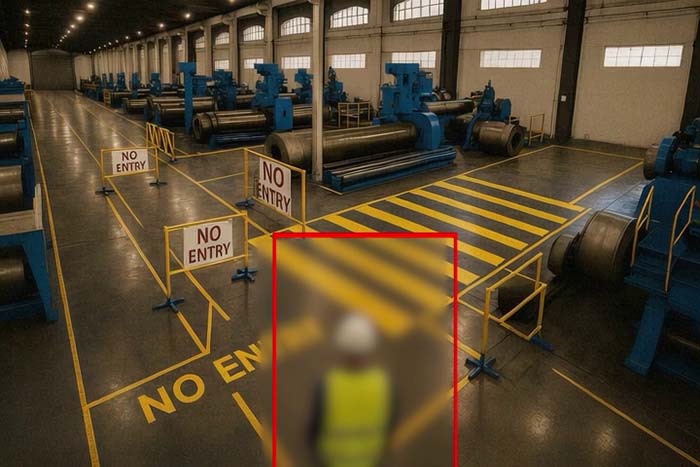
Restricted zone violations get instant alerts. Heavy machinery areas, loading bays, pedestrian-free zones – computer vision maps your facility layout and flags violations the moment someone crosses a boundary they shouldn’t.
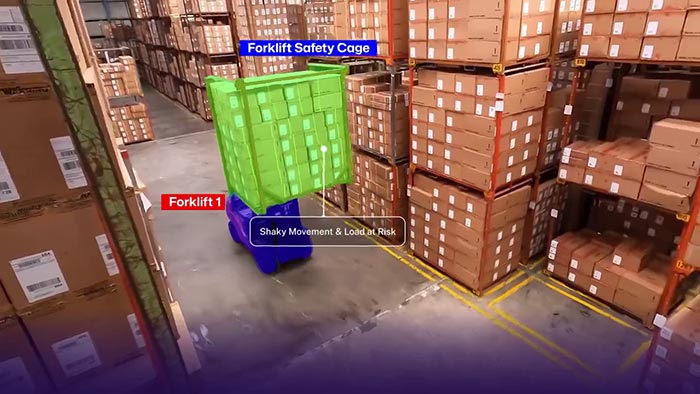
Forklift interactions are the highest-risk activity in most facilities. Vision systems track forklift speed, pedestrian proximity, wrong-way travel, and potential collision paths in real time. These insights allow safety teams to coach operators proactively and correct risky patterns before they escalate into serious incidents.
Modern platforms like Observia.ai specialize in turning existing CCTV infrastructure into comprehensive safety intelligence – covering everything from PPE compliance to forklift monitoring without requiring new cameras.
Predictive Maintenance
Computer vision doesn’t just watch people – it watches equipment too.
Detecting equipment anomalies before they become breakdowns. Thermal cameras spot overheating components. Standard cameras catch unusual vibrations, leaks, or smoke. The AI learns what “normal” looks like for each piece of equipment and flags deviations.
Pre-empting breakdowns saves money and prevents safety incidents. A bearing running hot, a hydraulic line developing a slow leak, a motor showing abnormal vibration patterns – these are early warnings that maintenance can address during scheduled downtime instead of emergency repairs.
Reducing unplanned downtime means production keeps running. Visual anomaly detection helps maintenance teams spot early warning signs – like unusual vibrations, leaks, or overheating – well before they turn into breakdowns. By addressing these issues proactively, facilities avoid costly emergency repairs and keep their lines operating smoothly.
Inventory & Material Tracking
Manual inventory counting is slow, error-prone, and nobody’s favorite task. Computer vision automates it.
Automated counting of pallets, bins, parts, and materials happens continuously. The system tracks what’s where without requiring RFID tags or manual scanning. Accuracy improves, shrinkage decreases, and your inventory data actually matches reality.
Detecting misplaced pallets, materials, or parts prevents production delays. When Component X should be in Zone B but ended up in Zone F, vision systems spot the discrepancy before someone wastes 20 minutes searching for it.
Optimizing warehouse and shop floor movement by understanding traffic patterns. Where do congestion points occur? Which pathways get used most? How can layout changes improve material flow? Computer vision provides the data to answer these questions.
Factory Vision for Process Optimization
Beyond catching problems, factory vision helps you understand how your operation actually works—and how to make it better.
Using vision systems to understand patterns reveals inefficiencies you didn’t know existed. How long do workers actually spend waiting for materials? Which workstations have idle time? Where do products sit between process steps?
Heatmaps, cycle-time evaluation, and movement analysis turn observations into actionable data. Visual heatmaps show where activity concentrates. Cycle-time tracking identifies which processes take longer than expected. Movement analysis reveals wasted motion and unnecessary travel.
Reducing wasted motion, waiting time, and operational blind spots improves throughput without adding resources. A chemical facility used computer vision to map risk density and workflow patterns, then adjusted operations to reduce incidents by 45% while also improving production efficiency.
How Computer Vision Works on the Factory Floor
Cameras capture real-time footage from your existing CCTV infrastructure. Most modern factory vision systems work with IP cameras you already have, no need to rip and replace.
AI models read the visuals to identify objects, movements, and behaviors. The system recognizes forklifts, people, PPE, equipment, zones, and activities. It learns what “normal” looks like in your facility and spots deviations.
The system flags anomalies based on what it’s trained to detect. A forklift moving too fast near pedestrians. A missing hard hat in a restricted zone. A spill creating a slip hazard. Instead of recording everything for later review, it alerts on what matters right now.
Insights go to dashboards or alerts to supervisors depending on urgency and type. Critical safety violations trigger immediate notifications. Compliance trends show up in daily or weekly dashboards. Historical patterns feed into reports for management and audits.
Integration with MES/ERP systems means factory vision doesn’t exist in a silo. Safety data can feed into your existing manufacturing execution systems, ERP platforms, and EHS management tools—creating a unified view of operations.
Edge vs. cloud processing matters in manufacturing environments. Edge computing processes video locally, keeping latency low (2-5 seconds from detection to alert) and reducing bandwidth requirements. Cloud processing offers more computational power but adds delay and depends on network reliability. Most factory vision systems use hybrid approaches—edge for real-time detection, cloud for advanced analytics.
Benefits of Using Computer Vision in Manufacturing Operations
24/7 monitoring without fatigue. AI doesn’t blink, take breaks, or have off days. One supervisor can effectively monitor 100+ cameras simultaneously through intelligent alerting.
Reduced defect rates. An electronics manufacturer cut quality escapes by 43% using visual inspection AI. Catching defects on the line costs dollars; catching them in customer returns costs thousands.
Higher worker safety. The biggest shift happens here. When AI is watching the high-risk zones, incident reduction becomes measurable, not just hopeful.
Facilities using AI-enabled safety systems have reported up to a 44% lower total recordable injury rate (TRIR) compared to those without it, showing how powerful proactive monitoring really is.
Lower downtime. Predictive maintenance powered by visual anomaly detection helps teams catch equipment issues early, long before they turn into breakdowns. By identifying problems in advance, facilities avoid last-minute scrambles and keep production running smoothly.
More predictable operations. When you can see bottlenecks, congestion patterns, and workflow inefficiencies in real time, you can fix them systematically instead of reacting to crises.
Data-driven decision making. Replace guesswork with heatmaps, trend analysis, and pattern recognition. Understand which shifts need more support, which zones are highest risk, and what process changes actually improve outcomes.
Better audit readiness. AI-generated compliance reports with visual evidence, trend data, and corrective action documentation make audits straightforward instead of stressful.
Optimized workflows. A chemical facility used computer vision to identify congestion patterns and adjust workflows, improving both safety and throughput without adding headcount.
Challenges & Considerations Before Adopting Factory Vision
Camera placement and lighting determine what the system can actually see. Poor lighting creates shadows and blind spots. Bad angles miss critical activities. Before deployment, conduct a thorough site survey to identify coverage gaps and environmental challenges.
Integration with existing systems varies in complexity. Some platforms plug into your current EHS management tools easily. Others require custom development. Ask vendors about API availability, supported integrations, and typical implementation timelines for facilities like yours.
False positives and accuracy can make or break adoption. Early computer vision systems triggered so many unnecessary alerts that teams eventually tuned them out. Modern platforms are far more refined, but no system is perfect. It’s important to set clear expectations, monitor performance, and tune the AI to your facility’s real-world conditions so it learns what truly matters – and what doesn’t.
Change management is often the biggest hurdle. Workers worry about surveillance and punishment. Supervisors resist new workflows. Leadership expects instant results. Success requires clear communication about goals (preventing injuries, improving processes) versus fears (monitoring for blame). Frame factory vision as a tool that protects people, not polices them.
Privacy and ethical considerations matter, especially with video surveillance. Modern systems can detect safety violations without storing identifying information, focusing on behaviors (is this person wearing a hard hat?) rather than identities (who is this person?). Establish clear policies about data retention, access controls, and privacy protections before deployment.
Lab-perfect vs. real-world conditions separate theoretical performance from practical results. Models trained on clean datasets struggle with your facility’s unique challenges—unusual lighting, specific equipment, custom workflows. Choose systems that train on your actual environment, not generic factory scenarios. Cookie-cutter AI models fail in real-world complexity.
How to Implement Computer Vision in Your Factory
Implementation isn’t complicated, but it does require planning:
Start with high-risk areas. Don’t try to cover everything day one. Begin with forklift zones, loading docks, or wherever your incident data shows the biggest problems. Prove ROI in one area, then expand.
Conduct a thorough site survey. Camera placement, lighting conditions, coverage angles—these determine what the system can actually detect. Walk the floor with your vendor to identify blind spots and environmental challenges before deployment.
Integrate with existing EHS systems. Factory vision works best when it feeds into your current safety management platform. Alerts should flow into incident tracking, compliance dashboards, and reporting systems you already use, not create another data silo.
Focus on behavior change, not punishment. If workers think cameras are about catching and penalizing them, adoption fails. Frame it correctly: this technology prevents injuries by catching risks early, not assigning blame after accidents. Transparent communication builds trust.
Train the system on your facility. Generic AI models struggle with your unique equipment, layouts, and workflows. Custom training on your actual environment, your specific forklift types, production processes, zone configurations, delivers far better results than cookie-cutter solutions.
Measure what matters. Track incident rates, compliance percentages, and near-miss trends before and after implementation. The data should show clear improvement within 3-6 months. If it doesn’t, something needs adjustment.
The Bottom Line
Your cameras are already watching. Computer vision in manufacturing makes them useful.
No more reviewing footage after incidents. No more hoping supervisors catch violations. No more wondering which zones are actually high-risk versus which ones just feel that way.
Factory vision turns guesswork into data. Reactive safety into proactive risk management. Compliance theater into measurable outcomes.
Ready to see how factory vision works in your facility? Observia.ai transforms existing CCTV into real-time safety intelligence. No new cameras. No operational disruption. Just measurable improvements in the safety outcomes you’re already tracking. See how it works →