
 Observia Editorial Team
Workplace safety isn’t just about preventng major accidents.
it’s about recognizing the warning signs that come before them. Every day, millions of workers encounter near misses, unsafe conditions, and unsafe acts that could lead to serious injuries or fatalities. Understanding these safety incidents is crucial for creating a proactive safety culture that protects employees and prevents costly accidents.
What Are Near Misses, Unsafe Conditions, and Unsafe Acts?
Near Misses: The Warning Shots
A near miss is an incident that could have resulted in injury, illness, or property damage but didn’t, often due to chance or quick intervention. These events serve as early warning systems, revealing potential hazards before they cause actual harm.
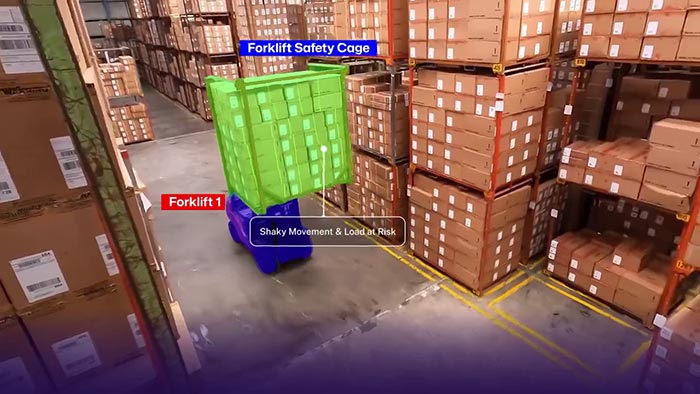
Real-life scenario: A warehouse worker is operating a forklift when a pallet of boxes shifts unexpectedly, nearly falling on a colleague walking nearby. The boxes don’t fall, but the incident reveals poor stacking procedures and inadequate pedestrian walkways.
Unsafe Conditions: Environmental Hazards
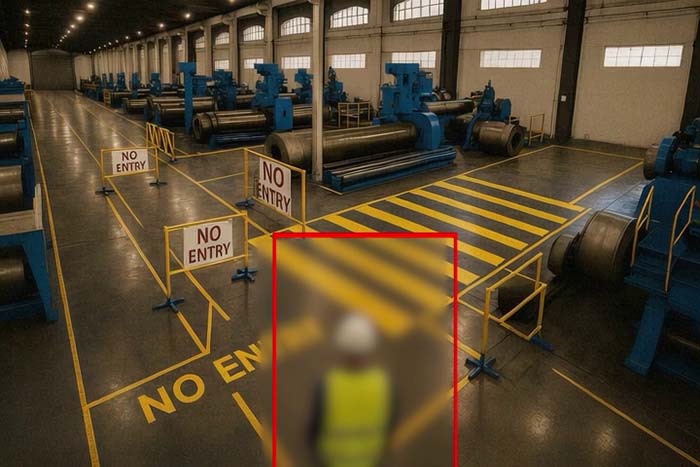
Unsafe conditions are workplace hazards that exist in the physical environment, including faulty equipment, poor housekeeping, inadequate lighting, or structural defects. These conditions create the potential for accidents regardless of worker behavior.
Real-life scenario: A manufacturing plant has oil leaking from machinery onto the floor. Despite knowing about the leak, management delays repairs. Eventually, a worker slips on the oil, suffering a back injury that requires months of rehabilitation.
Unsafe Acts: Human Error and Risk-Taking
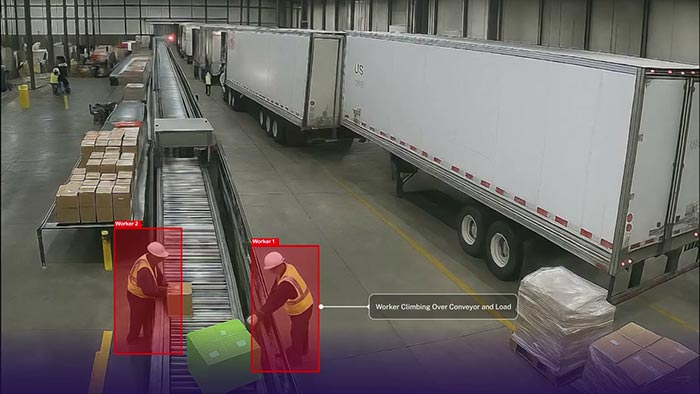
Unsafe acts are behaviors that deviate from safe work procedures, including shortcuts, failure to use personal protective equipment (PPE), or ignoring safety protocols. These acts often stem from time pressure, inadequate training, or complacency.
Real-life scenario: A construction worker removes his safety harness while working on scaffolding because “it’s just for five minutes” and the harness feels restrictive. During those five minutes, he loses his balance but manages to grab onto the scaffolding, avoiding a potentially fatal fall.
The Hidden Costs of Ignoring Safety Incidents
Financial Impact
According to OSHA, workplace injuries cost U.S. employers over $170 billion annually in direct and indirect costs. For every serious injury, there are typically:
- 10 minor injuries
- 30 near misses with potential for injury
- 600 unsafe conditions or acts
Operational Consequences
Ignoring safety incidents leads to:
- Increased workers’ compensation claims
- Higher insurance premiums
- Production delays and downtime
- Regulatory fines and penalties
- Damage to company reputation
- Decreased employee morale and productivity
Common Types of Workplace Safety Incidents
Manufacturing Environment Examples
Near Miss: A machine guard falls off during operation, exposing moving parts. An operator notices immediately and stops the machine before anyone is injured.
Unsafe Condition: Inadequate ventilation in a paint booth leading to harmful chemical exposure levels.
Unsafe Act: An employee bypasses a safety lockout device to speed up production, creating risk of electrocution.
Construction Site Examples
Near Miss: A crane operator accidentally drops a load just meters away from workers below, who scatter to avoid injury.
Unsafe Condition: Scaffolding erected without proper bracing or base plates on unstable ground.
Unsafe Act: Workers not wearing hard hats in designated areas because they’re “just passing through.”
Office Environment Examples
Near Miss: A heavy filing cabinet tips forward when an employee opens multiple drawers simultaneously, but they step back just in time.
Unsafe Condition: Frayed electrical cords under desks creating fire and electrocution hazards.
Unsafe Act: Employees stacking boxes on chairs to reach high shelves instead of using proper ladders.
Building an Effective Safety Incident Reporting System
Key Components
- Easy Reporting Mechanisms
- Anonymous reporting options
- Mobile apps and online forms
- Multiple reporting channels
- No-Blame Culture
- Focus on learning, not punishment
- Encourage voluntary reporting
- Recognize safety contributions
- Rapid Response Procedures
- Immediate investigation protocols
- Quick corrective actions
- Regular follow-up assessments
Best Practices for Implementation
Create Clear Definitions: Ensure all employees understand the difference between near misses, unsafe conditions, and unsafe acts through comprehensive training programs.
Establish Reporting Quotas: Some companies implement positive reporting quotas, encouraging teams to identify and report a certain number of safety observations monthly.
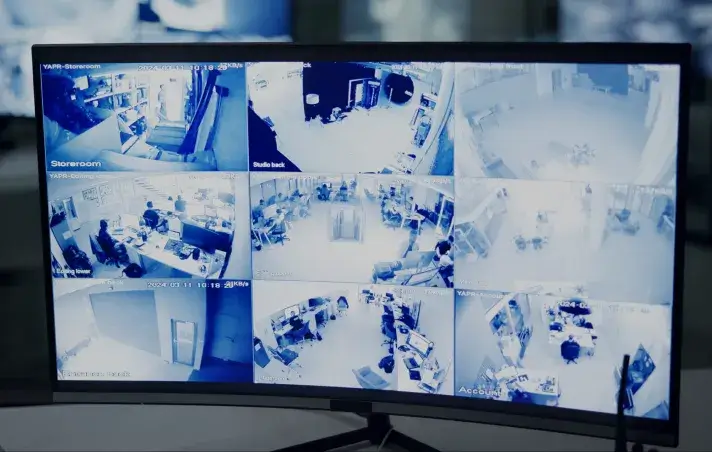
Use Technology: Implement digital reporting systems that allow real-time incident tracking, photo documentation, and automatic notifications to safety personnel.
Investigation and Analysis Techniques
Root Cause Analysis Methods
5 Whys Technique: Ask “why” five times to drill down to root causes.
Example:
- Why did the worker fall? – No safety harness
- Why wasn’t he wearing a harness? – It wasn’t provided
- Why wasn’t it provided? – Supervisor forgot to order it
- Why did the supervisor forget? – No systematic procurement process
- Why is there no systematic process? – Inadequate safety management system
Fishbone Diagram: Categorize potential causes into People, Process, Equipment, and Environment factors.
Data Analysis and Trending
Track incident patterns by:
- Time of day and day of week
- Location and department
- Type of work activity
- Experience level of involved personnel
- Environmental conditions
Prevention Strategies That Work
Proactive Safety Measures
- Regular Safety Audits
- Scheduled inspections of work areas
- Equipment maintenance checks
- PPE compliance monitoring
- Comprehensive Training Programs
- New employee orientation
- Ongoing safety education
- Job-specific hazard training
- Emergency response procedures
- Employee Engagement Initiatives
- Safety committee participation
- Toolbox talks and safety meetings
- Peer-to-peer safety observations
- Safety suggestion programs
Real-World Success Story
A mid-sized manufacturing company reduced their incident rate by 75% over two years by implementing a comprehensive near-miss reporting system. They achieved this through:
- Monthly safety bonuses tied to reporting participation
- Rapid response teams for immediate hazard correction
- Regular safety communication meetings
- Investment in upgraded equipment and training
The company saved over $2 million in potential workers’ compensation costs and saw a 15% increase in productivity due to reduced downtime.
Technology Solutions for Modern Safety Management
Digital Safety Platforms
Modern safety management systems offer:
- Real-time incident reporting via mobile apps
- Automated workflow management
- Predictive analytics for hazard identification
- Integration with existing business systems
Wearable Safety Technology
Emerging technologies include:
- Smart hard hats with collision detection
- Wearable sensors monitoring fatigue levels
- GPS tracking for lone worker safety
- Environmental monitoring badges
Creating a Culture of Safety Excellence
Leadership Commitment
Safety culture starts at the top. Effective leaders:
- Participate in safety activities personally
- Allocate adequate resources for safety programs
- Communicate safety expectations clearly
- Recognize and reward safe behaviors
Employee Empowerment
Empower workers by:
- Providing authority to stop unsafe work
- Encouraging safety suggestions and innovations
- Involving employees in safety policy development
- Offering career advancement opportunities in safety roles
Measuring Safety Performance
Key Performance Indicators (KPIs)
Track both lagging and leading indicators:
Lagging Indicators:
- Lost time injury rate (LTIR)
- Workers’ compensation costs
- Number of OSHA recordable incidents
Leading Indicators:
- Near miss reporting rates
- Safety training completion rates
- Safety audit scores
- Employee safety survey results
Benchmarking Against Industry Standards
Compare your safety performance against:
- Industry-specific benchmarks
- OSHA national averages
- Best-in-class organizations
- Historical company performance
Conclusion: Building a Safer Tomorrow with Observia.ai
Understanding and properly managing near misses, unsafe conditions, and unsafe acts is fundamental to creating a world-class safety program. These incidents provide valuable learning opportunities that, when properly addressed, can prevent serious injuries and save lives.
Remember that every near miss is a gift, a chance to fix problems before they cause real harm. By fostering a culture where employees feel safe reporting these incidents, investigating them thoroughly, and implementing effective corrective actions, organizations can dramatically improve their safety performance while protecting their most valuable asset: their people.
The investment in comprehensive safety incident management pays dividends not only in reduced injuries and costs but also in improved employee morale, productivity, and organizational reputation. Start building your safety incident prevention program today, because the life you save tomorrow may depend on the near miss you investigate today.