
 Observia Editorial Team
When discussing unexpected events in workplace safety, insurance claims, or daily life, the terms “incident” and “accident” are often used interchangeably.
However, these two words carry distinct meanings that matter significantly in professional contexts, legal situations, and safety protocols. Understanding the difference between an incident and an accident is crucial for proper documentation, liability assessment, and implementing effective safety measures.
What is an Accident?
An accident is an unforeseen event that occurs without warning or planning and results in harm, damage, or injury. The defining characteristic of an accident is that it is unintentional and typically unexpected. Accidents happen when something goes wrong through no deliberate action, they are events that nobody planned for or expected to happen.
In the context of workplace safety and insurance, accidents are classified as events that directly cause injury or property damage.
Common examples include slipping on a wet floor and breaking an arm, a car collision due to sudden weather conditions, or equipment failure leading to injury. The key element that defines an accident is that it was not intended and resulted in a negative outcome.
However, it’s important to note that while accidents may be unintended, they are often preventable. Many accidents occur because of negligence, failure to follow safety procedures, or inadequate maintenance. In legal contexts, this distinction matters significantly because it determines liability and compensation eligibility.
What is an Incident?
An incident is a broader term that encompasses any event that occurs in a workplace or organizational setting that disrupts normal operations. Unlike an accident, an incident does not necessarily result in injury or damage. An incident can be any occurrence that deviates from standard procedures or expected operations.
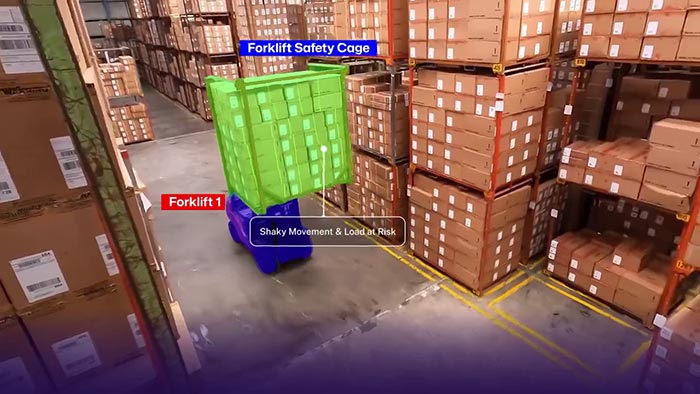
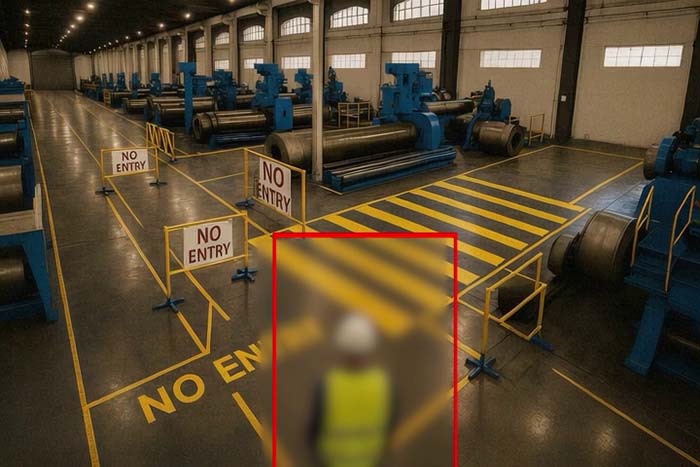
Incidents include near-misses, unsafe conditions, unsafe behaviors, or any situation that has the potential to cause harm. For example, a spill in a warehouse that hasn’t caused anyone to fall is an incident. An employee working without proper safety equipment is an incident. A close call where someone almost got hurt is also classified as an incident.
In occupational health and safety terminology, incidents are categorized into several types: near-misses (potential incidents that don’t result in injury), accidents (incidents that do result in injury), and dangerous occurrences (events that could have caused serious harm). This hierarchy shows that accidents are actually a subset of incidents, all accidents are incidents, but not all incidents are accidents.
Key Differences Between Incident and Accident
Outcome and Severity
The most fundamental difference between these terms is that accidents result in injury or damage, while incidents may or may not cause harm. An accident has a clear negative consequence, whereas an incident is simply any deviation from normal operations. This distinction is important for safety reporting because organizations need to track both actual injuries and potential hazards.
Scope of Definition
An incident is a broader, more encompassing term used in safety management to capture any event that warrants investigation and documentation. An accident is a narrower, more specific term that refers only to unintentional events causing injury or damage. Because of this broader definition, incident reporting typically captures more events and provides better insight into organizational safety culture.
Legal and Insurance Implications
In legal contexts, the distinction becomes critical. An accident typically triggers insurance claims and establishes liability more directly because it resulted in measurable damage or injury. An incident, particularly a near-miss, might not trigger insurance claims but is still valuable for preventing future accidents. Courts and insurers pay close attention to how events are classified because this affects compensation and liability determination.
Prevention and Investigation
Organizations investigate incidents to prevent future accidents, whereas accidents are investigated after harm has occurred. By tracking and analyzing incidents, including near-misses, companies can identify system failures and hazards before they cause injury. This proactive approach to incident investigation has proven more effective at improving safety than only investigating accidents after the fact.
Why the Distinction Matters in Different Contexts
Workplace Safety
In occupational safety and health, the incident vs. accident distinction is fundamental to safety management systems. Regulatory bodies like OSHA require organizations to report and investigate workplace incidents. Companies that excel at safety typically have robust incident reporting systems that capture near-misses and unsafe conditions, not just accidents. This comprehensive approach leads to identifying root causes and implementing corrective actions before serious injuries occur.
Insurance and Risk Management
Insurance companies differentiate between incidents and accidents when processing claims. While accidents trigger immediate claims investigation, incidents involving property damage or potential liability must also be documented. Insurance policies often require prompt notification of both accidents and certain incidents to ensure proper coverage and investigation procedures.
Legal and Liability Issues
In legal proceedings, characterizing an event as an accident versus an incident can affect the determination of fault, negligence, and compensation. Accidents inherently suggest something went wrong, whereas an incident might represent a systemic failure or environmental hazard. Lawyers carefully examine how events are classified to build stronger cases for their clients.
The Importance of Proper Incident and Accident Reporting
Creating a Culture of Safety
Organizations that distinguish between incidents and accidents demonstrate a commitment to comprehensive safety management. By encouraging employees to report incidents, including near-misses, companies foster a safety culture where potential hazards are addressed before they escalate. This proactive approach significantly reduces accident rates and saves lives.
Data-Driven Safety Improvements
When organizations track both incidents and accidents separately, they gather valuable data for identifying trends and patterns. This information enables data-driven decision-making about where to focus safety improvements. For example, if incident reports reveal frequent near-misses in a particular area, management can investigate that location for underlying hazards.
Regulatory Compliance
Many industries are required by law to maintain incident and accident records. Proper classification ensures that organizations meet regulatory requirements and avoid penalties. Companies that maintain detailed incident records also have better documentation if legal disputes arise.
How to Properly Report Incidents vs. Accidents
When reporting an event, it’s important to be accurate in classification. Document what happened, who was involved, environmental conditions, and potential contributing factors. For accidents, include details about injuries sustained and immediate medical attention provided. For incidents, focus on what could have happened and why the situation was hazardous.
Most organizations have incident reporting forms that guide employees through the documentation process. These forms typically ask for the date, time, location, description of the event, people involved, and any corrective actions taken. Proper documentation ensures that information is captured consistently and can be analyzed systematically.
Wrapping it Up!
Understanding the difference between an incident and an accident is essential for anyone involved in safety management, insurance, or legal work. While the terms are related, accidents are serious incidents that result in injury or damage, they serve different purposes in safety and risk management systems. Incidents encompass any deviation from normal operations, including near-misses and unsafe conditions, while accidents are unintentional events that specifically cause harm or damage.
By maintaining clear distinctions between these terms, organizations can implement more effective safety programs, improve incident reporting, and ultimately prevent more accidents before they occur.
Whether you’re managing workplace safety, processing insurance claims, or navigating legal matters, recognizing and properly classifying incidents versus accidents ensures that your organization responds appropriately and learns from every event.
To ensure your organization is staying at the top of it, connect with the technical team at Observia.ai.